Fleetgenius helps fleet organizations standardize maintenance, improve operational visibility, and support smarter decision-making across vehicles. This guide outlines the objective background of fleet management software concepts—telematics, maintenance workflows, compliance tracking, and reporting—then explains how teams typically evaluate tools like Fleetgenius to align workflows, costs, and supplier capabilities.

Fleetgenius is often discussed in the context of streamlining day-to-day fleet operations—especially where teams need stronger visibility into maintenance, asset status, and operational workflows. For fleet managers, the value is rarely limited to a single dashboard; it usually comes from how quickly the organization can translate operational events (service reminders, utilization trends, inspections, or work orders) into consistent actions. In practice, that means fewer “spreadsheet gaps,” more structured maintenance execution, and clearer reporting paths for stakeholders.
What separates fleets that feel “in control” from fleets that feel perpetually reactive is the ability to move from information to action. Many organizations already have pieces of information somewhere—maintenance tickets in one system, vehicle details in another spreadsheet, compliance documents stored in email threads, and cost summaries generated manually at the end of the month. Fleetgenius (and similar fleet maintenance and management platforms) matters because it can act as the connective tissue that turns these scattered data points into a repeatable operational cadence.
In that sense, Fleetgenius is not merely a software tool. It is a framework for decisions. It helps define who does what, when tasks must be done, how evidence is captured, and how results are communicated to leadership. Fleet decision-making becomes more reliable when maintenance triggers are consistent, work orders are tracked to completion, and reporting is based on standardized categories rather than individual interpretations of spreadsheets.
From an industry perspective, the practical question is not only whether Fleetgenius “tracks” fleet data, but whether it supports operational cadence: intake of vehicle information, maintenance scheduling logic, workflow assignment, evidence capture (e.g., service notes), and the reporting formats leadership expects. When those elements align, fleets can reduce friction across departments such as operations, maintenance, and finance—even if the fleet size or vehicle mix changes over time.
Additionally, fleets that rely heavily on multi-location operations often experience a unique set of challenges: different depots may use different naming conventions; some locations may document work orders differently; approvals may vary by shift manager; and compliance artifacts may be stored in inconsistent formats. A platform like Fleetgenius can help normalize these processes by enforcing standard workflows, roles, and reporting outputs.
Finally, decision-making in fleet operations increasingly depends on data quality. If the same maintenance event gets recorded differently across teams—or if key fields are missing—then analytics may be misleading even when dashboards look comprehensive. Fleetgenius matters because it can help enforce standard data practices while giving managers a clearer view of operational reality.
Fleet management software generally aims to connect four core domains: (1) vehicle and asset records, (2) operational data, (3) maintenance and compliance workflows, and (4) reporting/analytics for planning. Depending on the vendor, the solution may integrate with telematics devices, mobile apps, or internal systems. Many implementations also include role-based access, audit logs, and standardized procedures—features that become increasingly important for multi-location fleets and organizations handling regulated operations.
To frame expectations realistically, it helps to view fleet management capabilities as an ecosystem rather than a single feature. For example:
Major industry research consistently highlights that operational data quality and process standardization are major determinants of software ROI across logistics and asset-heavy operations. For reference, Gartner research on asset and operations analytics repeatedly emphasizes that organizations benefit when data is governed and workflows are integrated into day-to-day operations. (Source categories include Gartner analyst coverage on asset performance management and operations analytics; specific public metrics are not always available without subscription.)
When fleet leaders talk about “ROI,” it is helpful to define what they mean. Some organizations focus on labor reduction (fewer manual steps, faster creation of work orders). Others emphasize compliance risk reduction (fewer missed inspections, better evidence retention). Others still prioritize operational continuity (less downtime, fewer repeat failures). The software itself doesn’t automatically create those outcomes—but it can provide the structure needed to reach them.
In practice, fleet management systems are often evaluated as part of a larger operational design. Consider the following common patterns:
Even if Fleetgenius is the “front-end” tool for many stakeholders, it is typically successful when it fits into how the entire organization records work. For instance, if finance requires specific cost codes and technicians must record time and parts in a particular format, Fleetgenius needs to either align with those needs or provide a mapping approach.
Therefore, the best way to approach fleet management software evaluation is to ask: What operational questions do you need answered more reliably? Then confirm whether the solution supports the workflows required to produce high-quality answers.
When teams evaluate Fleetgenius, they usually focus on how the tool behaves under operational pressure: What happens when a vehicle needs urgent service? How quickly can a dispatcher or maintenance coordinator create a work order? Can the team enforce consistent service intervals and capture notes that technicians and auditors can understand?
An expert lens suggests assessing Fleetgenius in terms of:
Even when two fleets use similar software, outcomes differ based on internal process discipline. For example, maintenance teams often require clear naming conventions for parts and service types, while operations teams require consistent codes for work categories. Fleetgenius becomes more valuable when these conventions are established early.
To make this more concrete, it helps to look at typical workflows in greater detail. Many fleet organizations follow a pattern that resembles the following:
Fleetgenius can support these steps only if the configured workflow reflects how the organization actually operates. If urgent work needs rapid creation and mobile evidence capture, then mobile-first design and fast data entry become crucial. If approvals depend on certain threshold rules, then the platform must handle those rules with minimal manual work.
Adoption is particularly influenced by friction points. If technicians must navigate multiple screens to record notes, or if coordinators must repeatedly re-enter data that already exists, the system’s perceived value may decrease. Fleetgenius becomes “sticky” when it reduces repeated typing, provides templates, and ensures that work orders move smoothly through stages.
Another real-world consideration is how the system handles vehicle identification. Fleet teams often have inconsistent vehicle labeling: license plates differ from internal IDs; depots may label units differently; and vehicle history may include legacy IDs. A successful implementation should support flexible vehicle mapping and make it easy to find the correct asset even when data has inconsistencies.
Finally, fleet operations regularly involve human judgment. Even with scheduling logic, technicians sometimes discover additional issues or require approval for out-of-scope repairs. Fleetgenius must therefore support exception handling: the ability to track changes, capture justification, and keep documentation aligned with compliance expectations.
Because you requested price information to be integrated but no specific price figure was provided, the very objective approach is to explain how price structures typically work for fleet management platforms and what budget owners should request directly from the supplier. In vendor evaluations, “price” is not only the subscription fee—it can include implementation time, onboarding support, hardware requirements, and integration costs.
For an accurate procurement decision, ask Fleetgenius suppliers (or the supplying partner you engage) for a transparent breakdown that includes:
Procurement teams in the fleet sector often consider multiple quotes and compare them using a total cost of ownership (TCO) lens rather than sticker price. This approach aligns with mainstream software procurement practices highlighted in reports by organizations such as Gartner and the Project Management Institute, which commonly stress that implementation and change-management costs can exceed initial subscription costs if not planned.
To make TCO comparisons more practical, fleet leaders should ask the supplier to include the following cost drivers in the quote or at least provide assumptions:
Another important pricing consideration is whether the supplier charges additional fees for scaling. Some contracts start with a limited number of vehicles and increase costs later. If your fleet is expected to grow or if you plan to add depots over time, you should ask how pricing scales and whether you can secure favorable terms through multi-year commitments.
Finally, fleets should consider the hidden costs of inadequate documentation. If reporting requirements are not properly configured at launch, teams may revert to spreadsheets for key metrics, negating some of the expected benefits. Ensuring the solution supports your reporting output formats may require upfront effort, and it is best to clarify that in the pricing conversation.
You mentioned supplier details and location-specific content as elements to integrate, but specific supplier names, supplier prices, or a location were not provided in the prompt. To remain professional and objective, the key guidance is to evaluate “supplier fit” rather than assume capabilities.
When assessing a Fleetgenius supplier or deployment partner, consider:
For fleet organizations operating in dense urban environments, local constraints often matter. In many cities, time windows for inspections and servicing are tight, and technicians may work across multiple depots. Supplier competence is measured by how well onboarding accounts for those realities—such as customizing mobile-friendly workflows or defining how work orders route between depots.
But supplier fit is more than operational familiarity. You should also evaluate how the supplier approaches change management, because adoption failure is common even when software features are strong. A partner that focuses only on “getting it installed” may miss the critical work of aligning teams around new procedures.
To assess this, ask detailed questions about their implementation methodology. For example:
Another aspect of supplier fit is their ability to handle data governance. Data governance is often overlooked in early sales conversations. Yet it becomes essential once reporting begins to drive decisions. A capable partner will help you define service categories, maintenance types, and approval rules in a way that supports both operational consistency and audit readiness.
Security and access controls are also part of supplier fit. For example, some organizations need strict separation between roles: technicians can view only assigned vehicles; coordinators can schedule repairs; managers can access reporting dashboards; and auditors may require read-only access with audit logs. The supplier should explain how these roles are configured and how user permissions can be managed over time as staff changes.
Fleetgenius-like platforms are typically evaluated for benefits across three horizons:
Many fleets seek faster work order creation and consistent documentation. When maintenance is triggered by structured rules (for example, time-based or usage-based intervals where supported), fleets often reduce delays caused by inconsistent reminders.
In day-to-day operations, even small delays matter. A vehicle that misses an inspection might still be usable, but it creates downstream problems: last-minute scheduling conflicts, emergency parts orders, and increased downtime risk. When a system creates work orders automatically or ensures that reminders lead to logged action, the fleet becomes more predictable.
Immediate benefits frequently show up in metrics like:
Over time, standardized maintenance schedules and better service history can support more accurate budgeting and reduce the risk of unexpected downtime. While fleets often hope for direct cost reduction, the very reliable improvement pathway is usually through fewer “avoidable failures” and better labor/parts coordination, rather than purely through automation.
It is worth noting that cost outcomes can be subtle. Reducing failure frequency may not instantly cut spending in one month; instead, it can shift spending patterns toward planned maintenance rather than emergency repairs. Emergency repairs often cost more due to rush parts procurement, overtime labor, and operational disruption.
Medium-term benefits frequently show up as improvements in:
Good fleet management software enables trend analysis: service frequency, parts usage patterns, depot performance, and maintenance cycle outcomes. These insights help with planning—fleet rotation strategies, vendor selection, and maintenance staffing models.
Decision support is where fleet platforms often justify their value. However, decision support only works if data is consistent and workflows produce reliable event records. For example, if service categories are defined loosely (“oil change,” “oil service,” “maintenance”), a report might incorrectly estimate frequency or cost distribution. A well-configured system allows you to normalize these categories and generate meaningful insights.
For supporting evidence that asset performance management depends on data governance and integrated workflows, industry commentary often references broader operations analytics research. For example, McKinsey has published widely cited perspectives on operational analytics and the conditions required for meaningful performance improvements—especially the role of clean data and process integration. (For exact fleet-sector figures, teams should review the specific McKinsey reports applicable to asset-heavy operations and the year of publication.)
Beyond analytics dashboards, fleet leaders typically use the outputs to drive operational adjustments such as:
When a platform supports these changes consistently, it becomes a competitive advantage—because it converts historical events into a learning system rather than a static record archive.
Even when Fleetgenius is a strong fit, organizations should avoid the common trap of expecting the tool to “fix” operational fragmentation without internal effort. Typical limitations include:
It is helpful to think of these risks as categories:
A pragmatic expert approach is to implement in phases: start with core maintenance workflows and reporting, then expand into deeper analytics or integrations after users demonstrate consistent data entry patterns.
To reduce risk further, fleets should consider the “minimum viable configuration” strategy. That means selecting core fields that must be completed for every work order, defining service categories early, and limiting optional custom fields until the organization proves consistent usage. A system can be configured later, but training and adoption can break if users face too many requirements at launch.
Another limitation to watch is over-reliance on automation. Automated triggers are valuable, but they should not remove human validation in cases where urgency or compliance risk is high. For example, if a vehicle enters a service window but telematics data is missing, the system should prompt the coordinator to confirm service status rather than creating redundant work orders.
Finally, fleets should be careful about how they interpret analytics. Even with a well-configured system, reports can only be as accurate as the underlying data and the consistency of categorization. Training and governance are required to ensure that reporting outputs become trustworthy inputs to decision-making.
The following section rephrases additional important information into a practical supplement. Since specific additional data was not provided in the prompt, the table and guide below present widely applicable conditions and decision criteria used when rolling out fleet management tools like Fleetgenius.
| Topic | Option A: Standardized Rollout | Option B: Workflow-Heavy Customization |
|---|---|---|
| Primary goal | Get maintenance workflows running quickly | Match existing processes exactly |
| Top for | Organizations prioritizing speed to value | Organizations with complex internal procedures |
| Configuration scope | Core fields, interval rules, basic roles | Custom categories, approval steps, bespoke reporting |
| Data migration | Minimum viable vehicle/service dataset | Full historical migration with extended normalization |
| Change management | Training focused on adoption and compliance entry | Training plus process redesign workshops |
| Typical timeline | Shorter initial deployment cycles | Longer to ensure quality and user buy-in |
| Operational risk | Lower if governance is enforced | Higher if customization outpaces data readiness |
While the table provides a high-level comparison, the real decision between options A and B often comes down to the organization’s readiness and goals. If your fleet needs immediate improvements in compliance documentation or work order tracking, a standardized rollout can deliver value quickly. If your existing procedures are deeply specialized—such as complex approval workflows, multi-step compliance requirements, or unique service taxonomies—then deeper customization may be justified.
That said, many fleets discover that they do not need full replication of current processes to achieve operational improvements. Sometimes the best path is to preserve the core intent (how decisions should be approved and documented) while simplifying the workflow implementation. In other words, the fleet can adapt slightly rather than trying to reproduce every existing step.
When deciding, consider how much of your current process is actually “standardizable” without harming outcomes. Common examples of standardizable elements include:
Another critical requirement is role clarity. If coordinators, technicians, and managers have overlapping responsibilities, even a well-configured system can become chaotic. For option A or B, ensure that workflows define who updates what fields and when approvals occur.
Finally, consider integration requirements. If telematics integration is expected, the rollout plan must accommodate data latency issues, missing readings, and model-specific data availability. In that context, it may be safer to start with a core workflow that does not depend entirely on telematics, then expand integration after users are confident with maintenance documentation practices.
To improve the quality of the evaluation, each step can be enriched with more practical detail:
Another evaluation tactic is to simulate how decisions are made during urgent events. For instance: a vehicle is down, a driver reports a symptom, and the maintenance team needs authorization to order parts. If the system’s workflow supports rapid creation, clear escalation rules, and documentation capture, it will likely perform well after rollout.
Conversely, if the pilot reveals that users routinely bypass the system when under time pressure, then you may have a workflow design or training gap that needs correction before scaling.
Procurement is often treated as a purchasing activity rather than a planning activity, but for fleet management software, procurement should function like a transition plan. The contract and onboarding deliverables must reflect the real work required to implement governance and adoption.
Some procurement-ready artifacts that fleets should request include:
Also, fleets should confirm whether there is a dedicated implementation lead or project manager. Lack of clear ownership can lead to delays during configuration and misalignment on requirements.
Because fleet operations are time sensitive, it is helpful to agree on a go-live readiness checklist. For example: required field completion rules are defined; mobile workflows are tested; approval thresholds are confirmed; reporting definitions are validated; and a fallback procedure is in place for system issues.
Fleetgenius is typically used to support fleet visibility and maintenance workflows—helping teams manage vehicle records, service scheduling, work order processes, and structured reporting so day-to-day operations run more consistently.
Request a transparent pricing breakdown from the supplier, including subscription scope, implementation effort, data migration needs, and any integration costs. Compare total cost of ownership (TCO) and verify what is included in support and training.
Very organizations implement it in phases. A common approach is to start with maintenance workflows and documentation, then expand into deeper reporting and integrations after adoption improves and data quality is consistent.
At minimum, you should prepare a vehicle inventory list and a sample set of recent service records. You’ll also need agreed service categories, interval logic (time- and/or usage-based where supported), and role permissions aligned with your organization’s process.
It can, provided the configuration supports consistent workflows across locations. Multi-depot success depends on standardized naming conventions, clear role assignments, and disciplined data entry.
Value timelines vary by organization. Many fleets see early improvements once core maintenance workflows are running and work orders are consistently created and documented. Larger integrations and broader scaling typically take longer.
Confirm module scope, integration capabilities, implementation responsibilities, security/access controls, training format, support terms, and the specific deliverables included in the onboarding plan.
If you’re considering Fleetgenius, treat the evaluation as a process audit first and a software selection second. Fleet management tools tend to perform best when your organization defines consistent categories, clear approval rules, and a reporting cadence. Rather than aiming for every feature at launch, focus on operational outcomes: fewer missing records, faster job creation, reliable service history, and reporting that leaders can trust.
To help make this actionable, consider adopting a “workflow-first” mindset during your internal planning. A useful approach is to designate a small group of “process owners” from maintenance operations, dispatch, and finance to finalize definitions before implementation begins. This group should decide:
This prevents a common issue where the software config is built before the organization has aligned on definitions. When definitions change mid-implementation, the team can incur rework and adoption friction.
Another recommendation is to design for the user’s “day under pressure.” Fleet operations often run with limited time and competing priorities. If technicians face slow workflows, complicated forms, or uncertain next steps, they may delay entry or record incomplete information. Fleetgenius should be configured to minimize clicks and to provide templates for common work order types.
To achieve that, ask during the pilot:
It is also worth treating reporting as a product requirement rather than an afterthought. Many organizations configure the maintenance workflow successfully but struggle later because reports do not match leadership’s definitions. For example, leaders might ask: “How much did we spend on brake jobs last quarter, by depot?” If service categories were not normalized or cost codes were not mapped correctly, the report becomes unreliable.
Therefore, during evaluation, involve leaders or finance stakeholders to confirm:
Another practical area is governance. Governance is not just a technical concept; it’s a behavioral agreement. Fleet leaders should define who owns the service taxonomy and who can modify fields and categories once the system is live. Without governance, service categories may multiply over time, and reporting quality will deteriorate.
Operational governance can be implemented through processes such as:
Finally, adoption often hinges on the human training experience. Instead of generic training, plan role-based learning with scenarios that mimic real events: an urgent repair, an inspection due soon, a work order with missing data, and a cost approval request. The goal is to build confidence so users can operate in the system naturally.
When these recommendations are executed together—process alignment, workflow usability, reporting definition clarity, governance discipline, and scenario-based training—Fleetgenius becomes more than record-keeping. It becomes an operational system that helps fleets make better decisions continuously.
Fleetgenius is top understood as part of a broader fleet operations strategy: integrating asset records with maintenance workflows and dependable reporting. The strongest results usually come from careful evaluation—transparent pricing discussions, supplier fit, and a phased implementation plan grounded in real workflow needs. When fleets prioritize data quality and adoption, platforms like Fleetgenius can support measurable improvements in operational consistency and decision support.
To get the best results, fleets should avoid treating the platform as a standalone product. Instead, treat it as the operational backbone for maintenance governance, compliance documentation, and reliable reporting. When that backbone is built correctly, it reduces friction across departments, helps fleets respond to issues faster, and gives leadership confidence in the metrics used to steer operations.
In the end, fleet decision-making improves when the organization can trust its operational history and act quickly on it. Fleetgenius matters because it can help create that trust—by turning events into structured workflows, ensuring evidence is captured consistently, and enabling reporting that supports planning rather than merely recording what happened.
Striking the Perfect Balance: Navigating Premiums and Out-of-Pocket Expenses in Senior Insurance Plans

Explore the Tranquil Bliss of Idyllic Rural Retreats

How to Make Lasting Memories at Disneyland Attractions

4rkojvsx Technology: Industry Insights and Buying Guide

Affordable Phones and Plans for Seniors

Affordable Full Mouth Dental Implants Near You

Unlock the Top Kept Secrets to Finding Your Ideal Dentist for Flawless Dental Implant Results!

Discovering Springdale Estates

Unveiling RS Sul Telecom Services

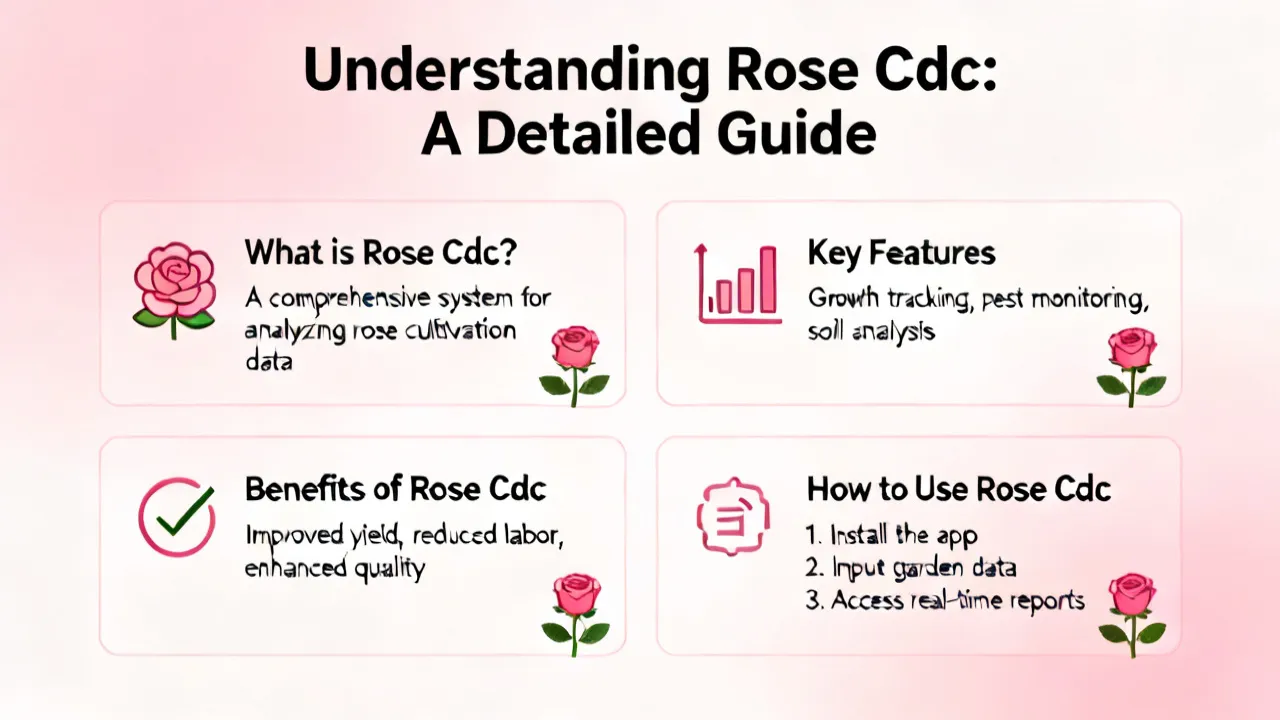
Understanding Rose Cdc: A Comprehensive Guide
This article provides an in-depth exploration of Rose Cdc, a term rapidly gaining attention in specific industries. Our discussion delves into the significance and application of Rose Cdc, its potential impact on various sectors, and expert insights into its future developments. This comprehensive analysis is designed to inform readers about the multifaceted aspects of Rose Cdc, its current applications, and potential advancements.

Understanding Compliance and AML Strategies
This article delves into the intricate realm of Compliance and Anti-Money Laundering (AML) strategies, highlighting their significance in the corporate world. Compliance AML refers to the organizational adherence to legal standards and regulations to deter financial crimes, ensuring transparent and ethical financial practices. This comprehensive guide examines these strategies' complexities and their pivotal role in safeguarding economic integrity.

Mastering Inbound B2B Strategies
The foundation of successful B2B strategies often lies in the effective implementation of inbound marketing techniques. In today's globally connected business environment, inbound B2B strategies have become critical for companies seeking to engage target audiences, optimize lead generation, and establish long-lasting partnerships. Understanding these strategies is essential for companies aiming to thrive in competitive markets.

Exploring B2B MBA Opportunities
Dive into the dynamic world of B2B MBA programs, designed for professionals seeking to enhance their strategic and management skills in a business-to-business context. This comprehensive guide discusses the significance of B2B MBAs in today's market, highlighting how these programs equip leaders with the expertise to navigate complex B2B relationships and drive business success.

Understanding Whitewater Regenerative Blowers
Whitewater Regenerative Blowers are essential in various industrial applications for their efficiency in moving air and gases. These blowers are known for their durability and ability to operate continuously, making them a preferred choice for industries ranging from wastewater treatment to aquaculture. This article explores their features, benefits, and applications, offering readers a comprehensive understanding of their importance in modern industry.

Mastering Employee Retention Strategies
Employee retention has become a critical aspect of organizational success, particularly in the dynamic landscape of 2020. As businesses strive to maintain a stable and productive workforce, understanding effective retention strategies is essential. This article delves into key methods for enhancing employee satisfaction and retention, offering a comprehensive guide for HR professionals and business leaders alike.
