ISO 9001 is an internationally recognized standard for Quality Management Systems (QMS), pivotal for businesses aiming to enhance customer satisfaction and streamline processes. This article delves into the significance of ISO 9001 certification, its implications for quality assurance, and the essential steps businesses must undertake to achieve and maintain this standard.

The ISO 9001 certification stands as a hallmark of quality assurance, establishing a framework that companies worldwide implement to ensure consistent quality in their products and services. Recognized across various industries, ISO 9001 provides a structured approach to enhancing customer satisfaction and operational efficiency. This certification's flexibility makes it applicable to organizations of all sizes and sectors aiming to improve their processes and maintain consistency in output.
In today’s competitive market, organizations face a myriad of challenges. From evolving consumer expectations to regulatory demands and the necessity of maintaining efficient operations, the pressure is mounting. ISO 9001 certification plays a crucial role in helping businesses navigate these challenges successfully. By embedding quality management into the core of their operations, organizations can not only respond to these pressures but also leverage them as opportunities for innovation and growth.
ISO 9001 is part of the ISO 9000 family of standards, which focuses on quality management systems. It sets out the criteria for a quality management system and is the only standard in the family that organizations can certify to. The standard is not specific to any industry but is adaptable to the particular needs of each organization. This adaptability allows businesses to define their own scope of the quality management system in line with their strategic objectives and operational requirements.
The ISO 9001 standard emphasizes several quality management principles, including a strong customer focus, the involvement of top management, a process approach, and continual improvement. These principles help organizations enhance their performance, leading to improved products, services, and overall operational excellence. By integrating these principles into their organizational culture, businesses pave the way for sustainable success.
The ISO 9001 certification offers numerous advantages to companies, including:
Obtaining ISO 9001 certification requires a comprehensive approach involving multiple steps:
| Step | Description |
|---|---|
| Understand the Requirements | Familiarize with ISO 9001 and identify potential improvement areas. |
| Develop a QMS | Create and implement a quality management system aligned with ISO 9001. |
| Internal Training | Provide ISO 9001 training for employees to ensure compliance. |
| Internal Audits | Regularly assess QMS effectiveness and correct non-conformities. |
| Select a Certification Body | Choose a reliable and recognized certification body. |
| External Audit | Have the QMS assessed by a third-party to achieve certification. |
| Maintain Certification | Continuously monitor and improve the QMS for ongoing compliance. |
While the benefits of ISO 9001 certification are substantial, organizations may encounter several challenges during the certification process. Identifying these challenges early on can help businesses prepare and strategize effectively. Some common challenges include:
In addition to direct costs, organizations must also consider the potential savings and revenue increases resulting from improved operational efficiencies and enhanced customer satisfaction post-certification, which can offset initial investments.
To illustrate the impact of ISO 9001 certification, examining case studies of successful implementations can provide valuable insights. Below are two notable examples:
A manufacturing company faced frequent complaints about product quality, resulting in lost customers and increased returns. In response, management decided to pursue ISO 9001 certification to establish a robust quality management system.
After implementing ISO 9001, the company began by conducting a comprehensive gap analysis and aligning its processes with the standard's requirements. They focused heavily on employee training, ensuring that all team members were educated on quality objectives and best practices. The company also introduced a new internal auditing process to evaluate compliance regularly.
As a result, within a year, the company reduced customer complaints by 60%, thereby significantly enhancing customer satisfaction and loyalty. The improved processes also led to a 30% reduction in waste and increased overall operational efficiency, which contributed to an increase in profitability. The credibility gained from certification opened new markets and clients, further driving revenue growth.
A service organization specializing in IT consulting sought ISO 9001 certification to improve their service delivery and customer satisfaction. The company struggled with inconsistent service outcomes and varying levels of client satisfaction.
With a commitment from management, the company developed a quality management system tailored to their specific services and goals. They established measurable performance metrics to assess service quality and customer feedback mechanisms to gauge client satisfaction accurately.
Following the implementation of ISO 9001, the organization experienced a 50% increase in client satisfaction ratings, attributed to clearer service delivery expectations and improved responsiveness to client needs. Moreover, the consistent training and development of staff resulted in a more skilled workforce, further propelling the organization's reputation within the industry.
ISO 9001 certification is more than a regulatory requirement; it is a strategic tool that can drive business improvement and customer satisfaction. By rigorously adhering to this standard, companies can not only meet but exceed the quality expectations of their clients, thus gaining a competitive edge in their respective markets. Businesses looking to improve their operations should consider the ISO 9001 certification as a vital step towards achieving excellence in quality management.
Moreover, the journey towards ISO 9001 certification is one of continuous improvement. Organizations must cultivate a culture of quality that transcends certification, fostering an environment where quality management principles are integrated into daily operations. The ultimate goal is not only to achieve certification for its own sake but to leverage the principles of ISO 9001 to position the organization for long-term success in an ever-evolving marketplace.
The commitment to quality management through ISO 9001 certification can empower organizations to enhance their processes, engage their employees, and elevate customer experiences, thus solidifying their place in the industry while continually setting new standards for excellence.
Striking the Perfect Balance: Navigating Premiums and Out-of-Pocket Expenses in Senior Insurance Plans

Explore the Tranquil Bliss of Idyllic Rural Retreats

How to Make Lasting Memories at Disneyland Attractions

Affordable Phones and Plans for Seniors

Affordable Full Mouth Dental Implants Near You

Unlock the Top Kept Secrets to Finding Your Ideal Dentist for Flawless Dental Implant Results!

Discovering Springdale Estates

Unveiling RS Sul Telecom Services

The Guide to Car Trading

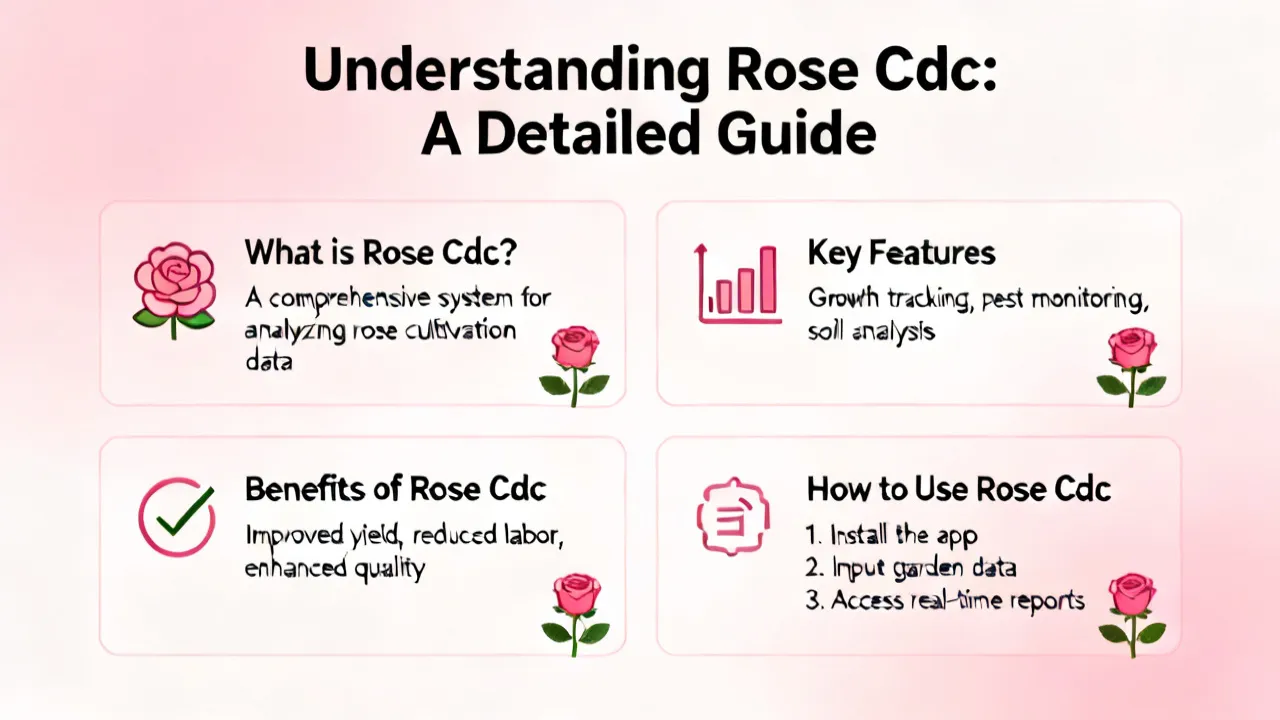
Understanding Rose Cdc: A Comprehensive Guide
This article provides an in-depth exploration of Rose Cdc, a term rapidly gaining attention in specific industries. Our discussion delves into the significance and application of Rose Cdc, its potential impact on various sectors, and expert insights into its future developments. This comprehensive analysis is designed to inform readers about the multifaceted aspects of Rose Cdc, its current applications, and potential advancements.

Understanding Compliance and AML Strategies
This article delves into the intricate realm of Compliance and Anti-Money Laundering (AML) strategies, highlighting their significance in the corporate world. Compliance AML refers to the organizational adherence to legal standards and regulations to deter financial crimes, ensuring transparent and ethical financial practices. This comprehensive guide examines these strategies' complexities and their pivotal role in safeguarding economic integrity.

Mastering Inbound B2B Strategies
The foundation of successful B2B strategies often lies in the effective implementation of inbound marketing techniques. In today's globally connected business environment, inbound B2B strategies have become critical for companies seeking to engage target audiences, optimize lead generation, and establish long-lasting partnerships. Understanding these strategies is essential for companies aiming to thrive in competitive markets.

Exploring B2B MBA Opportunities
Dive into the dynamic world of B2B MBA programs, designed for professionals seeking to enhance their strategic and management skills in a business-to-business context. This comprehensive guide discusses the significance of B2B MBAs in today's market, highlighting how these programs equip leaders with the expertise to navigate complex B2B relationships and drive business success.

Understanding Whitewater Regenerative Blowers
Whitewater Regenerative Blowers are essential in various industrial applications for their efficiency in moving air and gases. These blowers are known for their durability and ability to operate continuously, making them a preferred choice for industries ranging from wastewater treatment to aquaculture. This article explores their features, benefits, and applications, offering readers a comprehensive understanding of their importance in modern industry.

Mastering Employee Retention Strategies
Employee retention has become a critical aspect of organizational success, particularly in the dynamic landscape of 2020. As businesses strive to maintain a stable and productive workforce, understanding effective retention strategies is essential. This article delves into key methods for enhancing employee satisfaction and retention, offering a comprehensive guide for HR professionals and business leaders alike.