Payment processing systems are essential to modern commerce, enabling secure and efficient transactions between buyers and sellers. These systems handle the approval, transmission, and settlement of payments, which is critical for both online and offline businesses. Their development has revolutionized how transactions are conducted in retail, e-commerce, and service industries, emphasizing security and speed.
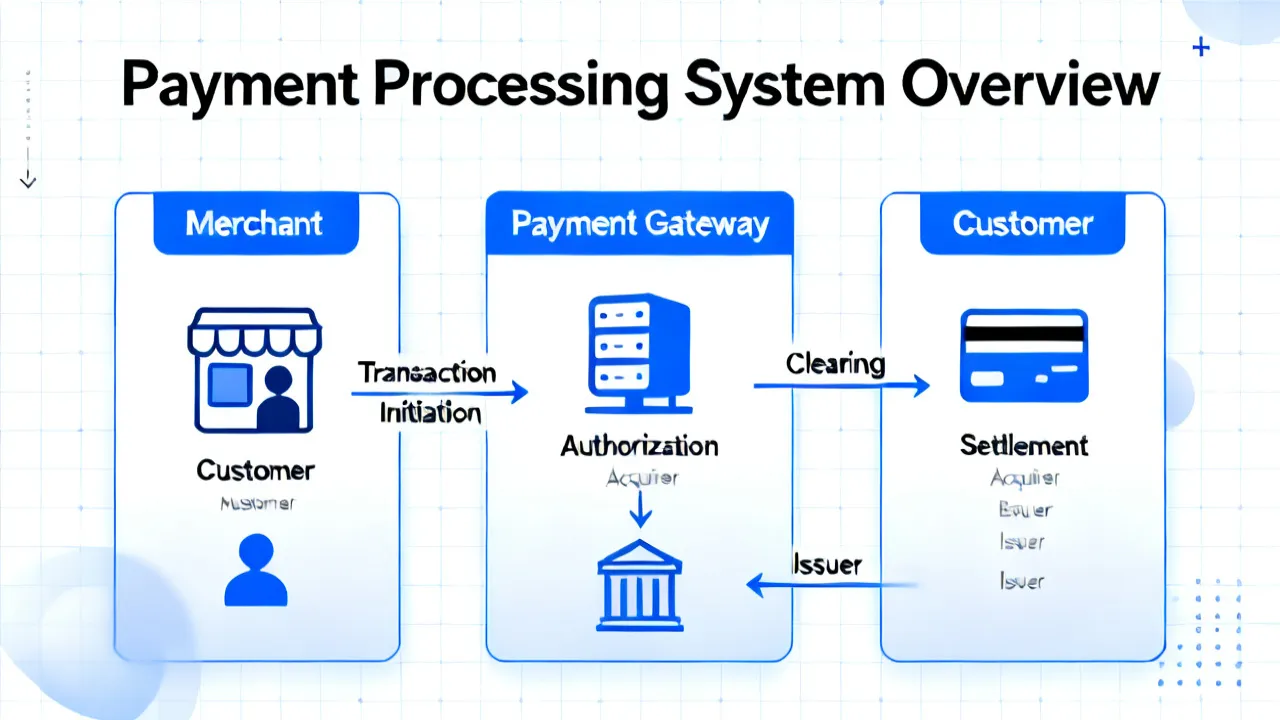
In today's rapidly evolving business landscape, payment processing systems are indispensable tools that facilitate the seamless transfer of funds between consumers and merchants. These systems bridge the gap between the financial institutions of the buyer and the seller, processing the transaction information to enable quick and secure exchanges. Over the years, the complexity and the necessity of these systems have grown tremendously, with businesses increasingly relying on them not just for transactions but also for customer insights, inventory management, and fraud prevention.
The functioning of payment processing systems can be likened to a highly coordinated symphony where various players work in synchrony. It starts with the customer initiating a transaction, typically by swiping, inserting, or tapping their card, or entering their details online. The user experience is critical; any friction in the process can lead to cart abandonment or other customer service issues. The payment processor acts as the conductor, relaying information between the customer's bank and the merchant's bank, checking for availability of funds, and ensuring the validity of the transaction.
| Step | Description |
|---|---|
| Authorization | Verifying if the customer's payment method has sufficient funds and is valid. |
| Batching | Grouping authorized transactions for further processing at the end of the business day. |
| Clearing | Exchanging financial information to debit and credit the involved accounts. |
| Settlement | Transferring the approved funds from the customer's bank to the merchant's account. |
After the authorization, transactions are typically batched together to optimize processing efficiency. This batching process is particularly significant for businesses with high transaction volumes, as it saves time and reduces costs associated with processing individual transactions. Once batched, the clearing process occurs, where financial institutions exchange the necessary data to ensure that funds are accurately debited from the customer’s bank and credited to the merchant's account. Finally, settlement marks the completion of the transaction where the actual funds move from one bank to the other, and the merchant receives their payment.
The evolution of payment processing systems has been shaped significantly by advancements in technology. Initially confined to cash registers, these systems have expanded to include digital wallets, contactless payments, and mobile money transfers. Customers now prefer quick, reliable, and user-friendly payment methods that eliminate long queues and tedious procedures.
Innovation in payment technology has led to the rise of mobile payment systems, where users can transact simply through their smartphones. Platforms like Apple Pay, Google Wallet, and Samsung Pay have made transactions easier than ever, allowing users to pay without physical cards. These methods often incorporate biometric authentication, adding an extra layer of security while also streamlining the checkout process.
Innovations like blockchain and cryptocurrency are paving the way for the next wave of transformation, potentially offering increased security, transparency, and decentralization. Blockchain technology allows for peer-to-peer transactions without the need for intermediaries, thereby reducing the risks of fraud and increasing trust among participants. Similarly, cryptocurrencies like Bitcoin and Ethereum have emerged as alternative means of payment, challenging traditional fiat currencies and pushing payment processing systems to evolve to accommodate these new forms of value transfer. Interest in decentralized finance (DeFi) also reflects a shift towards more innovative financial interactions within commerce.
Security remains a paramount aspect of payment processing systems. With increasing cyber threats targeting financial data, businesses and consumers alike must prioritize the protection of sensitive information. Thanks to the integration of sophisticated encryption technologies, tokenization, and fraud detection algorithms, these systems are constantly being fortified against cyber attacks.
For example, encryption transforms sensitive information into coded language, accessible only to those with the appropriate decryption key. Tokenization works similarly but replaces sensitive card information with a unique identifier or token, making it virtually impossible for hackers to misuse the original data. Together, these technologies create a robust framework for secure transactions.
Companies operating these systems often comply with industry standards such as the Payment Card Industry Data Security Standard (PCI DSS) to ensure that consumer data is protected at every step of the transaction process. Compliance with these standards necessitates continuous monitoring, routine audits, and regular updates to security protocols, creating a culture of security awareness within organizations. Furthermore, effective fraud detection systems leverage machine learning algorithms to spot unusual patterns indicative of fraud attempts, significantly reducing the chances of successful breaches.
Payment processing systems offer a myriad of advantages to both businesses and consumers. For businesses, they simplify transactions, improve cash flow, and can reduce operational costs by minimizing the need for manual processing. The integration of payment processing with sales and inventory software allows for real-time updates on stock levels, thus making it easier to manage products and order supplies without delay. Importantly, having multiple payment options can also enhance customer satisfaction and encourage sales, as consumers appreciate flexibility in how they transact.
Consumers enjoy convenience, speed, and peace of mind knowing their financial information is handled securely. The ability to conduct transactions at any time and any place, especially with the proliferation of e-commerce websites and mobile apps, establishes a new standard for shopping experiences. In a world where convenience reigns supreme, easy payment options have become a decisive factor in customer loyalty; satisfied shoppers tend to return to businesses that streamline their purchasing processes.
Moreover, payment processing systems often provide incentives such as rewards programs and discounts, fostering a loyal customer base. Additionally, features like purchase tracking, due date reminders, and automated payments can ease the financial management burden on consumers, enhancing their overall experience and satisfaction with the payment systems in place.
A payment processor is a company appointed by a merchant to handle credit card transactions for merchant acquiring banks.
While often used interchangeably, a payment gateway refers to the service that authorizes credit card payments, while a payment processor simply processes the transaction.
While initial authorization and acknowledgment can be nearly instantaneous, the entire settlement process may take one to three business days, depending on the financial institutions involved and the payment methods used.
Generally, yes, as many online payment systems utilize advanced encryption and security measures to protect user data. However, users must remain vigilant against phishing and other fraudulent activities.
Payment processors typically charge fees for each transaction processed, which may include a percentage of the transaction amount and flat fees. These can vary based on the processor, service level, and type of payment.
Yes, many payment processors offer customizable solutions tailored to the specific needs of businesses, allowing them to integrate payment processing with their existing systems and customer interfaces.
Looking ahead, the landscape of payment processing is poised for further transformation, driven by emerging technologies and evolving consumer preferences. One notable trend is the ongoing rise of artificial intelligence (AI) and machine learning within payment systems. These technologies can analyze transaction data in real time, allowing merchants to offer personalized shopping experiences, enhancing cross-selling opportunities, and improving customer retention through targeted marketing strategies.
In addition, the growing trend of subscription-based services and automated payments is changing the way consumers interact with payment processors. Companies are increasingly adopting recurring billing models which facilitate upfront subscriptions or installment payments, thereby increasing cash flow predictability. As more businesses recognize the advantages of these models, payment processing systems must evolve to efficiently support these complexities, allowing for easy management of billing cycles, customer notifications, and prompt collection of payment without friction.
As sustainability becomes a significant concern, payment processing systems will also see an increased emphasis on eco-friendly practices. Digital wallets and contactless payment options not only offer convenience but also reduce the environmental impact associated with traditional cash and card production. Companies are likely to seek processors that align with their sustainability goals, further influencing their choices in payment technology.
Moreover, as the regulatory landscape shifts, payment processors will need to remain agile to comply with new laws and regulations concerning data protection, privacy, and consumer rights. The implementation of frameworks like the General Data Protection Regulation (GDPR) demonstrates the need for stringent regulations in payment processing, urging companies to prioritize transparency in data handling while ensuring consumer interests are safeguarded.
The rise of financial technology (fintech) companies has significantly impacted traditional payment processing, altering the competitive landscape and pushing established players to innovate. Fintech firms often leverage technology to offer faster, cheaper, and more efficient payment solutions compared to traditional banks. This competition fosters innovation, leading to better service offerings and lower costs for businesses and consumers alike.
Many fintech solutions emphasize user experience, offering seamless integrations and user-friendly interfaces that appeal to tech-savvy consumers. Additionally, they often provide flexible payment options tailored to specific industries, enhancing the transaction experience for users across various sectors, from retail to health care. As these digital banking and payment solutions gain popularity, traditional banks and payment processors will need to adapt accordingly, either by innovating their services or collaborating with fintech companies to deliver comprehensive solutions.
Another emerging trend within fintech is the development of cross-border payment solutions that simplify international transactions. Traditional cross-border payments can often be slow, expensive, and require multiple intermediaries, leading to frustration for businesses and consumers. Fintech companies are leveraging blockchain technology and global payment networks to facilitate faster and more cost-effective cross-border transactions, making it easier than ever for businesses to operate globally.
Payment processing systems are vital components of the global economy, facilitating the rapid and secure movement of money that underpins commerce and trade. As technology progresses, these systems will continue to adapt, ensuring they meet the evolving needs and expectations of consumers and businesses alike. Understanding their function and benefits not only enhances one's appreciation of modern economic mechanisms but also helps in navigating the increasingly digital financial frontier.
In conclusion, the dynamic landscape of payment processing is at the nexus of technology, security, and user experience. With continual advancements and an ever-growing array of payment options, stakeholders must remain informed and agile, ready to adapt to changes that influence consumer behavior and fulfill the demand for enhanced transaction systems. As we move forward, the collaboration between payment processing systems and advancements in technology will likely lead to a future where purchases are not only seamless but fundamentally enriching experiences for both businesses and consumers.
Striking the Perfect Balance: Navigating Premiums and Out-of-Pocket Expenses in Senior Insurance Plans

Explore the Tranquil Bliss of Idyllic Rural Retreats

How to Make Lasting Memories at Disneyland Attractions

Affordable Phones and Plans for Seniors

Affordable Full Mouth Dental Implants Near You

Unlock the Top Kept Secrets to Finding Your Ideal Dentist for Flawless Dental Implant Results!

Discovering Springdale Estates

Unveiling RS Sul Telecom Services

The Guide to Car Trading

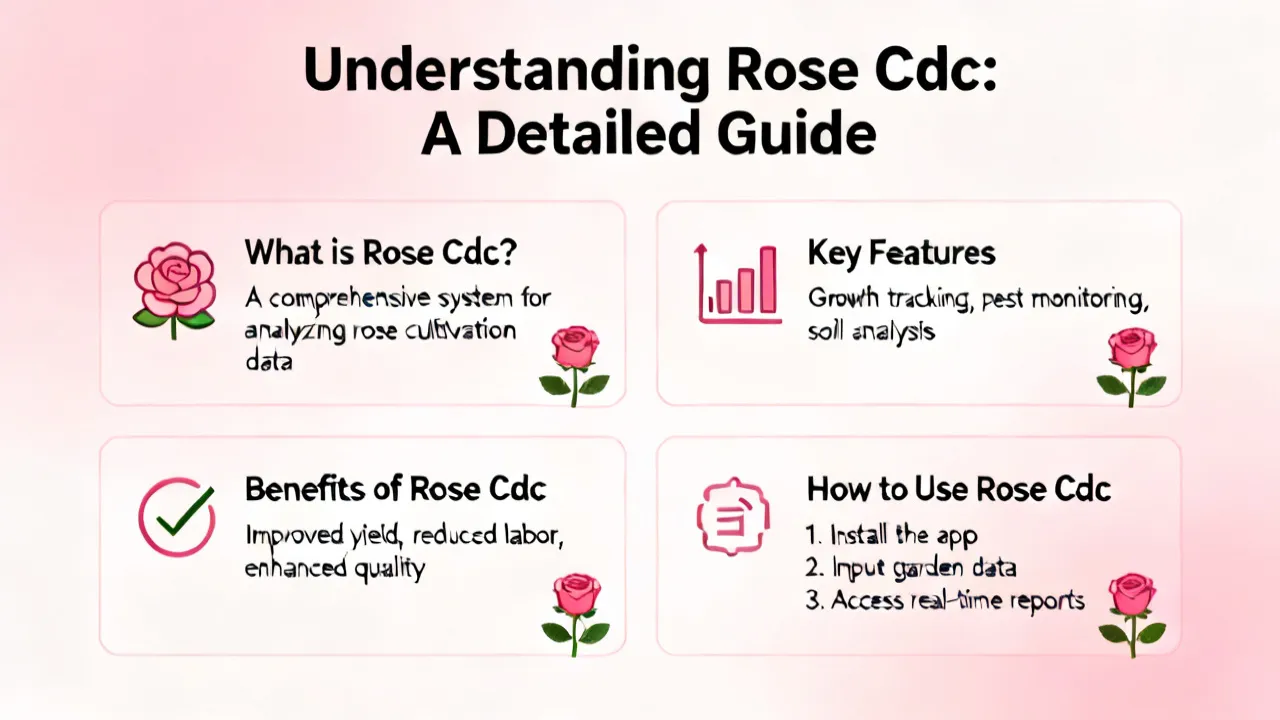
Understanding Rose Cdc: A Comprehensive Guide
This article provides an in-depth exploration of Rose Cdc, a term rapidly gaining attention in specific industries. Our discussion delves into the significance and application of Rose Cdc, its potential impact on various sectors, and expert insights into its future developments. This comprehensive analysis is designed to inform readers about the multifaceted aspects of Rose Cdc, its current applications, and potential advancements.

Understanding Compliance and AML Strategies
This article delves into the intricate realm of Compliance and Anti-Money Laundering (AML) strategies, highlighting their significance in the corporate world. Compliance AML refers to the organizational adherence to legal standards and regulations to deter financial crimes, ensuring transparent and ethical financial practices. This comprehensive guide examines these strategies' complexities and their pivotal role in safeguarding economic integrity.

Mastering Inbound B2B Strategies
The foundation of successful B2B strategies often lies in the effective implementation of inbound marketing techniques. In today's globally connected business environment, inbound B2B strategies have become critical for companies seeking to engage target audiences, optimize lead generation, and establish long-lasting partnerships. Understanding these strategies is essential for companies aiming to thrive in competitive markets.

Exploring B2B MBA Opportunities
Dive into the dynamic world of B2B MBA programs, designed for professionals seeking to enhance their strategic and management skills in a business-to-business context. This comprehensive guide discusses the significance of B2B MBAs in today's market, highlighting how these programs equip leaders with the expertise to navigate complex B2B relationships and drive business success.

Understanding Whitewater Regenerative Blowers
Whitewater Regenerative Blowers are essential in various industrial applications for their efficiency in moving air and gases. These blowers are known for their durability and ability to operate continuously, making them a preferred choice for industries ranging from wastewater treatment to aquaculture. This article explores their features, benefits, and applications, offering readers a comprehensive understanding of their importance in modern industry.

Mastering Employee Retention Strategies
Employee retention has become a critical aspect of organizational success, particularly in the dynamic landscape of 2020. As businesses strive to maintain a stable and productive workforce, understanding effective retention strategies is essential. This article delves into key methods for enhancing employee satisfaction and retention, offering a comprehensive guide for HR professionals and business leaders alike.
