Electromobility represents a transformative approach in the transportation industry, gradually reshaping the landscape with electric-powered alternatives. Its rise is due to advancements in battery technology and the need for sustainable solutions. This article deeply analyzes the current trends, challenges, and future outlook of electromobility, providing insights into its growing presence in the automotive world.
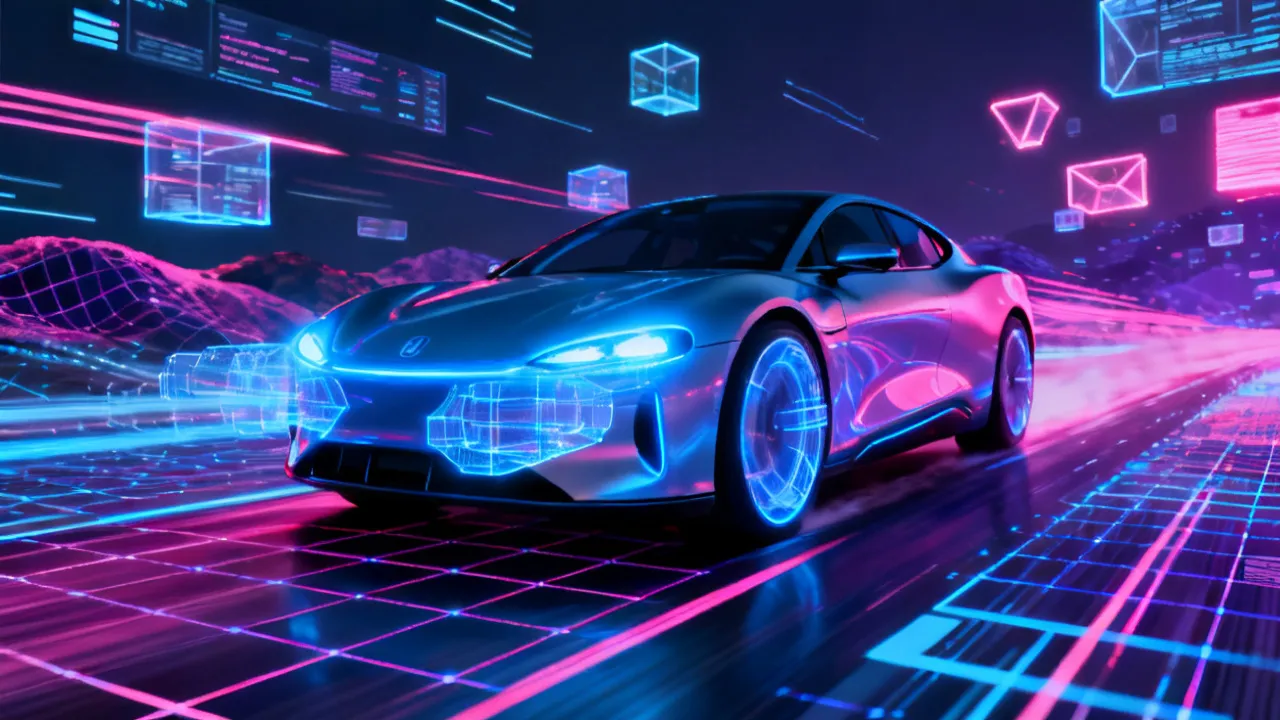
Electromobility, often referred to as e-mobility, encompasses the utilization of electric powertrain technologies, in-vehicle information systems, and connected infrastructures in vehicles. This movement signifies a significant shift from traditional internal combustion engines to electrically powered alternatives, aimed at reducing environmental impact and fostering innovation in the automotive sector. Electromobility integrates various interconnected systems, creating a holistic approach to mobility and transportation, promoting a cleaner, more efficient future.
The concept of electromobility isn't entirely novel. Its origins trace back to the late 19th century when electric vehicles briefly challenged steam and petroleum-powered carriages. However, it wasn’t until the pressing challenges of climate change and technological advances in the 21st century that electromobility ascended into prominence. The resurgence is driven by the pressing need for sustainability, combined with impressive improvements in battery technology and infrastructure.
The first electric vehicle (EV) was constructed in the 1820s, but it wasn't until the late 1800s that they began to gain popularity, especially in urban settings where their quiet operation was preferred. The early 20th century saw a decline in electric vehicle usage due primarily to the rise of gasoline-powered cars and the mass production techniques employed by companies like Ford. It wasn’t until the late 20th and early 21st centuries that the conversation surrounding electromobility began to rekindle. The global awareness of climate change, coupled with advancements in technology such as lithium-ion batteries and charging infrastructure, has brought electric vehicles back into the spotlight.
According to the International Energy Agency, global electric car sales climbed by a remarkable 40% in 2022, with over 10 million units sold worldwide. This growth is propelled by both policy-driven incentives and consumer demand for greener transportation options. Key markets, particularly in Europe and Asia, are witnessing an aggressive push by governments towards extensive electromobility adoption, offering subsidies, and implementing stringent emissions regulations. Countries like Norway and the Netherlands are establishing ambitious targets for electric vehicle sales, with aims to phase out internal combustion engine vehicles altogether by 2025 and 2030, respectively.
Despite its potential, there are substantial challenges facing electromobility. One significant hurdle is the initial cost barrier associated with EVs. Although operating costs are generally lower, the upfront purchase price remains a concern for many consumers. Incentives and subsidies are essential to offset these initial costs and encourage mass adoption.
Moreover, the ecological footprint of battery production, particularly the extraction of lithium and other rare materials, presents environmental and ethical challenges. Mining practices for cobalt, for instance, have faced scrutiny due to widespread reports of unsafe labor conditions in certain countries. Hence, the industry must prioritize ethical sourcing and invest in alternative materials that do not harm human rights or the environment. The recycling and disposal of batteries are also critical issues requiring innovative solutions to prevent harm to ecosystems. As the number of electric vehicles on the road grows, so too does the need for sustainable recycling methods to handle spent batteries effectively.
Another challenge is the current charging infrastructure. While improvements are underway, particularly in urban areas, rural regions still suffer from a lack of charging stations, making it difficult for EV owners to travel long distances. Expanding and diversifying charging networks, including integration with existing gas stations and retail locations, is crucial to enable broader electric vehicle adoption.
The electromobility market is dynamic and competitive, with automakers and tech companies investing heavily in developing and marketing electric vehicles. Major players such as Tesla, Nissan, and BMW lead in innovation and market penetration. These entities are focusing on extensive R&D to improve vehicle range, charging times, and overall performance. A significant amount of venture capital is flowing into startups and established companies alike, signaling a robust interest in electromobility technologies.
In addition, collaborations between automakers and tech giants are on the rise, focusing on autonomous driving capabilities integrated with electromobility solutions. The synergy between autonomy and electric vehicles holds transformative potential, potentially reassessing urban mobility paradigms. Companies like Google, through their Waymo division, and traditional manufacturers like Ford and General Motors are all investing in autonomous technology, which, when integrated with electric vehicles, could redefine passenger and freight transportation.
The landscape of electromobility extends beyond just vehicles to include innovative applications in public transport, logistics, and even electric aviation. Major public transit authorities are venturing into electric buses and light rail systems, noting the operational cost savings and environmental benefits associated with e-mobility. Furthermore, logistics companies are exploring electric delivery vehicles to meet sustainability goals and respond to regulations on emissions.
| Aspect | Conventional Vehicles | Electric Vehicles |
|---|---|---|
| Power Source | Internal Combustion Engines | Electric Motors |
| Fuel | Gasoline/Diesel | Electricity |
| Emissions | High | Zero (at point of use) |
| Operating Cost | Variable, often higher | Typically lower |
| Range | Long | Improving but historically shorter |
| Maintenance | Higher maintenance needs due to complex mechanical systems | Lower maintenance needs due to fewer moving parts |
| Noise Pollution | High noise levels during operation | Very quiet, leading to reduced noise pollution |
Electromobility refers to the use of electric vehicles and related infrastructure, focusing on reducing reliance on fossil fuels and minimizing environmental impact. It encompasses not only personal transportation but also public transit and freight logistics, integrating electrical energy solutions across multiple facets of mobility.
Electric vehicles are generally more sustainable in terms of emissions during use. However, sustainability also involves battery production and recycling considerations that still require advancements. Renewably sourced electricity and an emphasis on ethical battery production are integral to maximizing the environmental benefits of electric vehicles.
Electromobility is crucial for decarbonizing transport, mitigating climate change effects, and paving the way for innovative transportation solutions. Transitioning to electric mobility represents a significant step towards reduced greenhouse gas emissions, cleaner cities, and sustainable living practices. It also drives economic growth in emerging technology sectors, allowing societies to invest in a future where mobility is synonymous with sustainability.
Looking ahead, electromobility stands at the forefront of the sustainable transportation revolution. With continuous improvements in battery technology, infrastructural developments, and policy support, the future of electromobility is not just promising—it is essential. As societies globally acknowledge the undeniable advantages of electric vehicles, we can anticipate a future where electric and autonomous vehicles become the norm rather than the exception.
A major driver of future electromobility will likely be technological advancements. Innovations in artificial intelligence and machine learning will optimize battery performance, enhance vehicle systems, and improve energy efficiency across all aspects of the driving experience. Furthermore, the advent of vehicle-to-grid (V2G) technology allows electric vehicles not only to draw power from the grid but also to feed electricity back into it when demand peaks, supporting overall grid stability and energy efficiency.
Collaboration among key stakeholders—including government bodies, industry associations, and technological innovators—will play an essential role in shaping the future landscape of electromobility. Policies that promote research and development, offer tax incentives for consumers, and invest in expansive infrastructure are essential for accelerating the transition to a robust electric vehicle market.
Finally, societal attitudes towards mobility are evolving. As younger generations prioritize sustainability and environmental consciousness, the demand for electric vehicles and sustainable transportation options is expected to increase. Urban planning is beginning to reflect these values, with cities planning for electric public transit and pedestrian-friendly environments that further discourage reliance on fossil-fuel-powered vehicles.
In conclusion, electromobility embodies the intersection of technological progression and environmental stewardship. As we continue to forge a path forward, the combined efforts of industries, governments, and consumers will inevitably lead to a more sustainable and electrified tomorrow. The journey toward full electromobility will require perseverance and commitment but offers immense benefits in transforming our transportation systems for a healthier planet.
Striking the Perfect Balance: Navigating Premiums and Out-of-Pocket Expenses in Senior Insurance Plans

Explore the Tranquil Bliss of Idyllic Rural Retreats

How to Make Lasting Memories at Disneyland Attractions

Affordable Phones and Plans for Seniors

Affordable Full Mouth Dental Implants Near You

Unlock the Top Kept Secrets to Finding Your Ideal Dentist for Flawless Dental Implant Results!

Discovering Springdale Estates

Unveiling RS Sul Telecom Services

The Guide to Car Trading
The Rise of Electric Automobiles
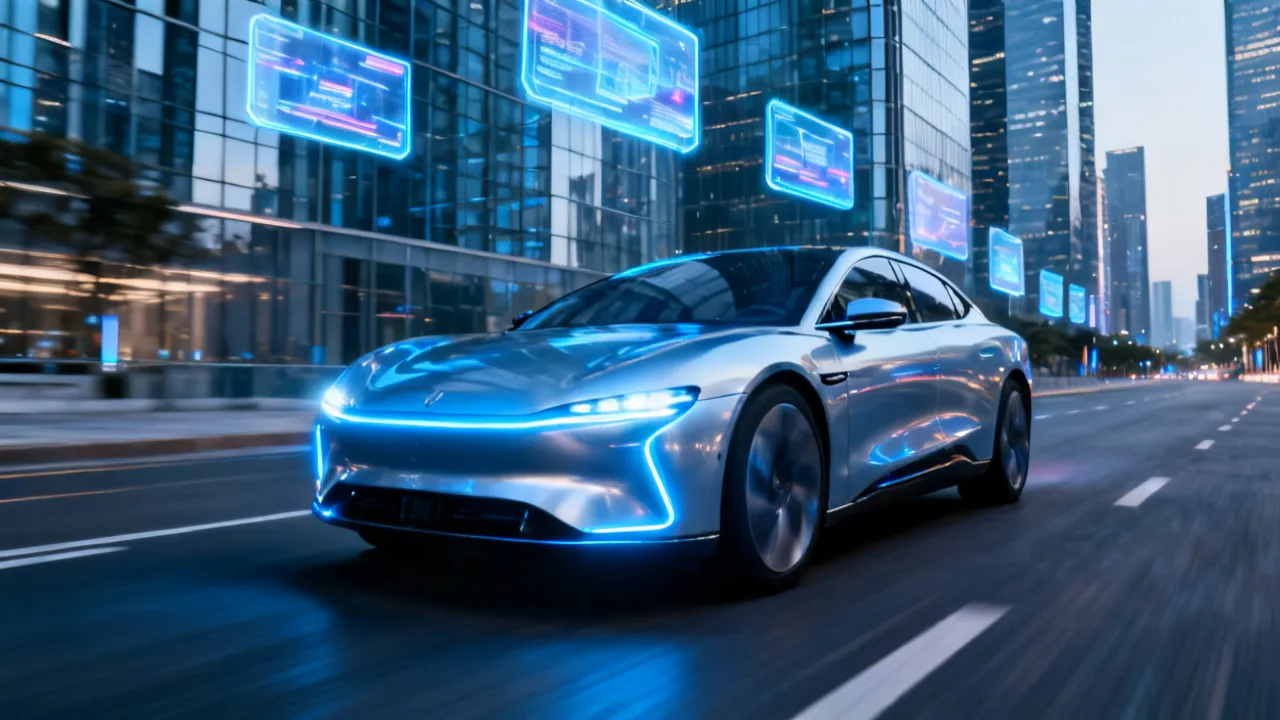
Electric automobiles represent a significant shift in the automotive industry, focusing on sustainability and innovation. These vehicles utilize electric propulsion systems, as opposed to traditional internal combustion engines, offering benefits such as reduced emissions and enhanced efficiency. As technology advances, electric automobiles are becoming increasingly appealing to consumers and are seen as a critical element in the global push towards greener transportation solutions.
The Rise of Electric Automobiles
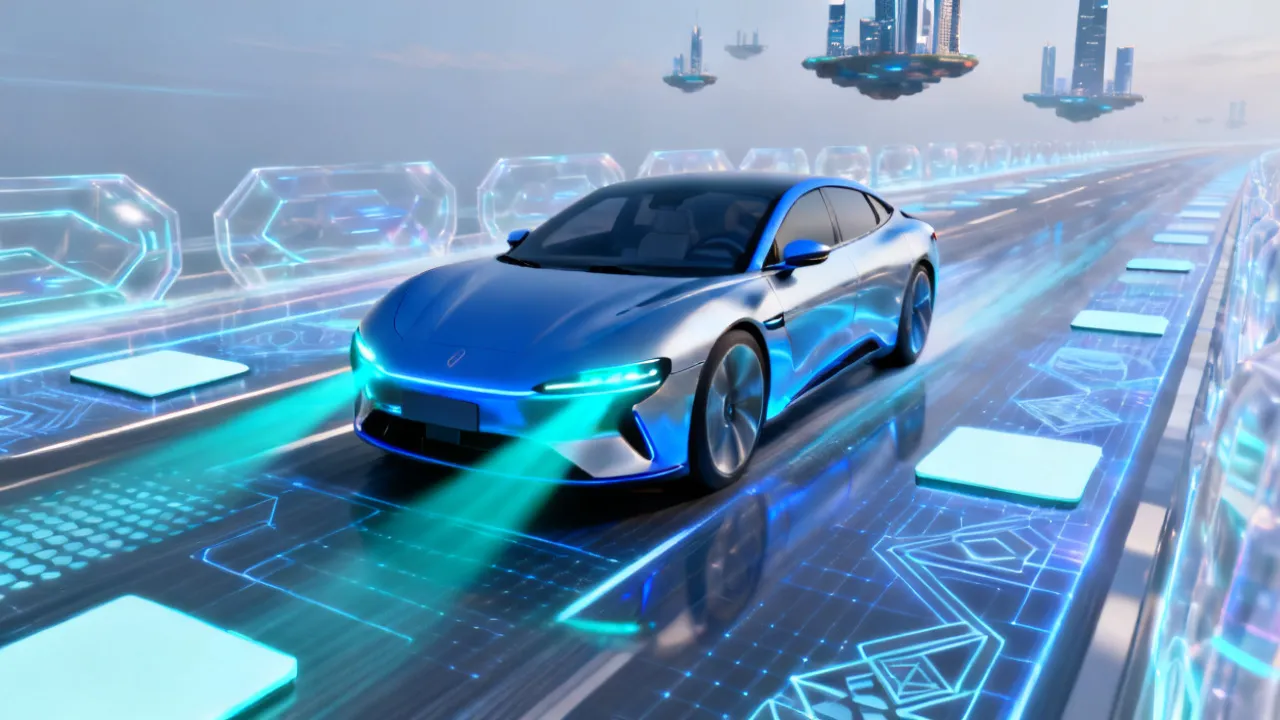
Electric automobiles are becoming increasingly integral to the automotive industry, representing a shift towards more sustainable transportation solutions. These vehicles, powered by electric motors instead of internal combustion engines, offer numerous advantages such as reduced emissions and lower operating costs. This comprehensive guide explores the various aspects of electric automobiles, including their technology, market trends, and future outlook.

Understanding Electric Automobiles Today
Electric automobiles represent a transformative shift in the automotive industry, offering a sustainable alternative to traditional vehicles. With advances in battery technology and global commitments to reducing carbon emissions, electric cars are poised to dominate future transportation. This article explores key aspects of electric automobiles, including their technology, market trends, and consumer considerations.
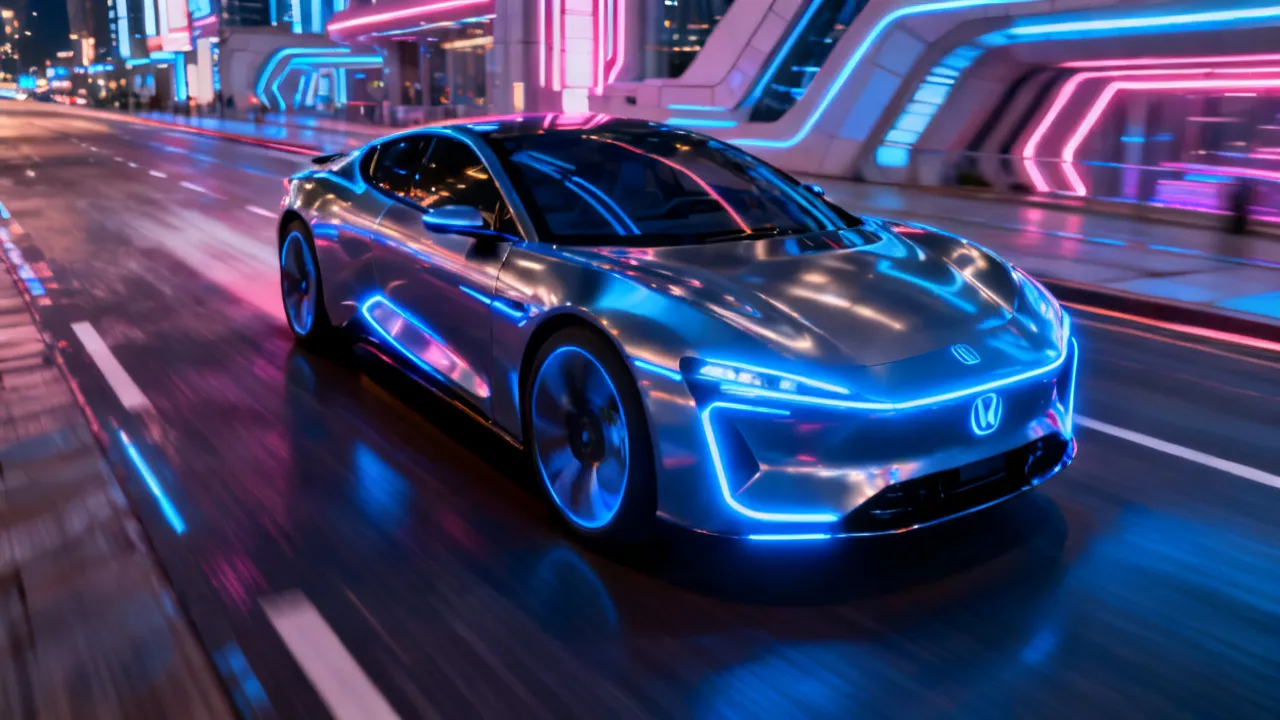
The Rise of Electric Automobiles
Electric automobiles are revolutionizing the transportation industry, gaining traction for their environmental and economic benefits. As technology advances, electric vehicles (EVs) are becoming increasingly accessible and efficient, contributing to reduced carbon emissions and promoting sustainable energy usage. This article explores the current landscape, challenges, and future potential of electric automobiles.
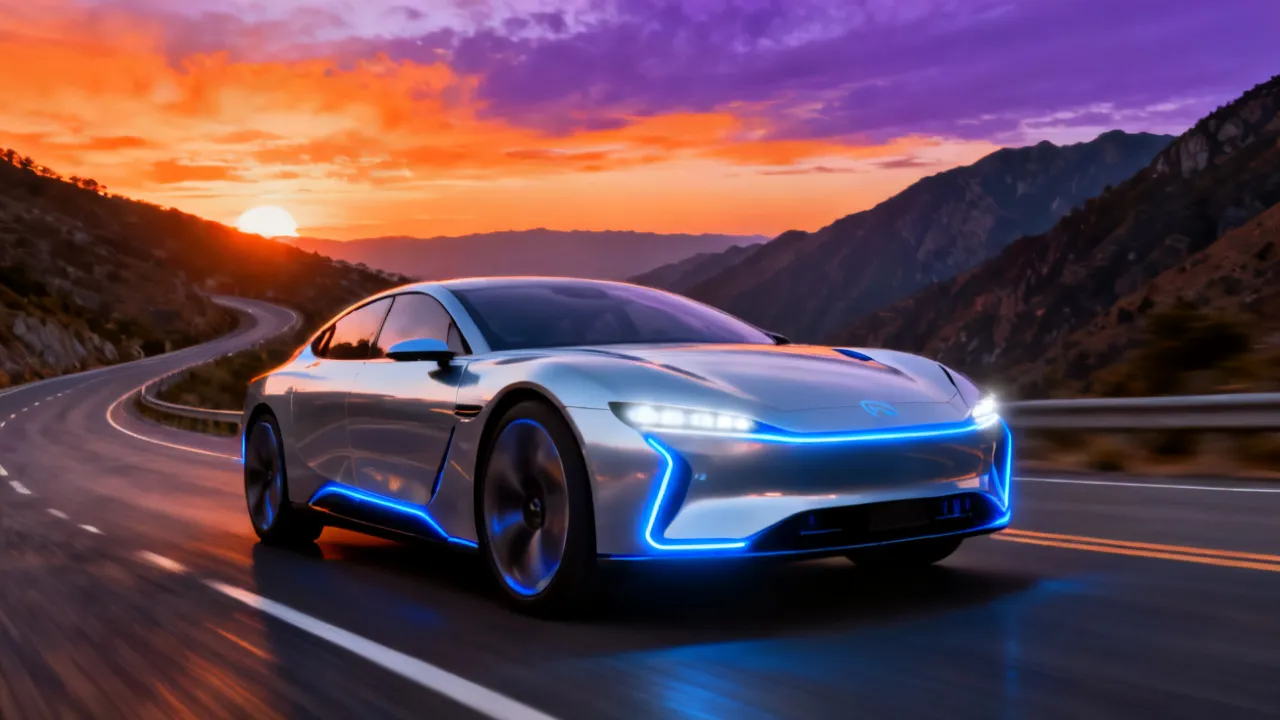
Revolutionizing Transport with Electric Automobiles
Electric automobiles are at the forefront of a transformative shift in transportation as they redefine efficiency and sustainability standards. Driven by the need to reduce emissions and embrace renewable energy, electric vehicles (EVs) have rapidly evolved, offering consumers an eco-friendly alternative to traditional gasoline-powered cars. This comprehensive guide explores the key features, benefits, and industry insights related to electric automobiles.
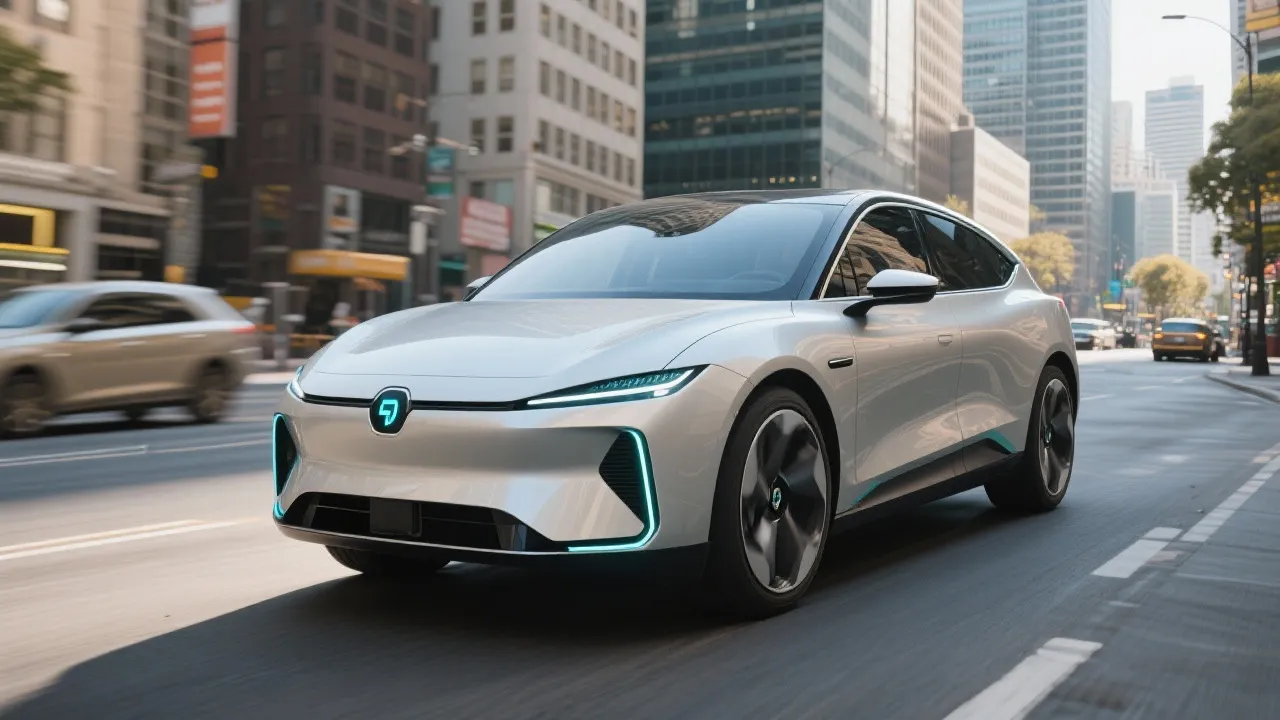
Navigating the Awd Phev Landscape
This guide explores the AWD PHEV market and its impact on modern transportation. Platform Hybrid Electric Vehicles (PHEVs) with All-Wheel Drive (AWD) are evolving rapidly and offer a sustainable alternative to traditional vehicles by combining electric and gas power for efficiency and adaptability. As demand rises, this article analyzes the technological innovations and adoption trends.