This comprehensive guide delves into the multifaceted realm of modern missile technology, exploring design, development, and deployment. Missiles, essential in modern warfare, encompass various guided weapons used to target adversaries precisely. Their significance extends beyond military applications, influencing global security policies and technological advancements.
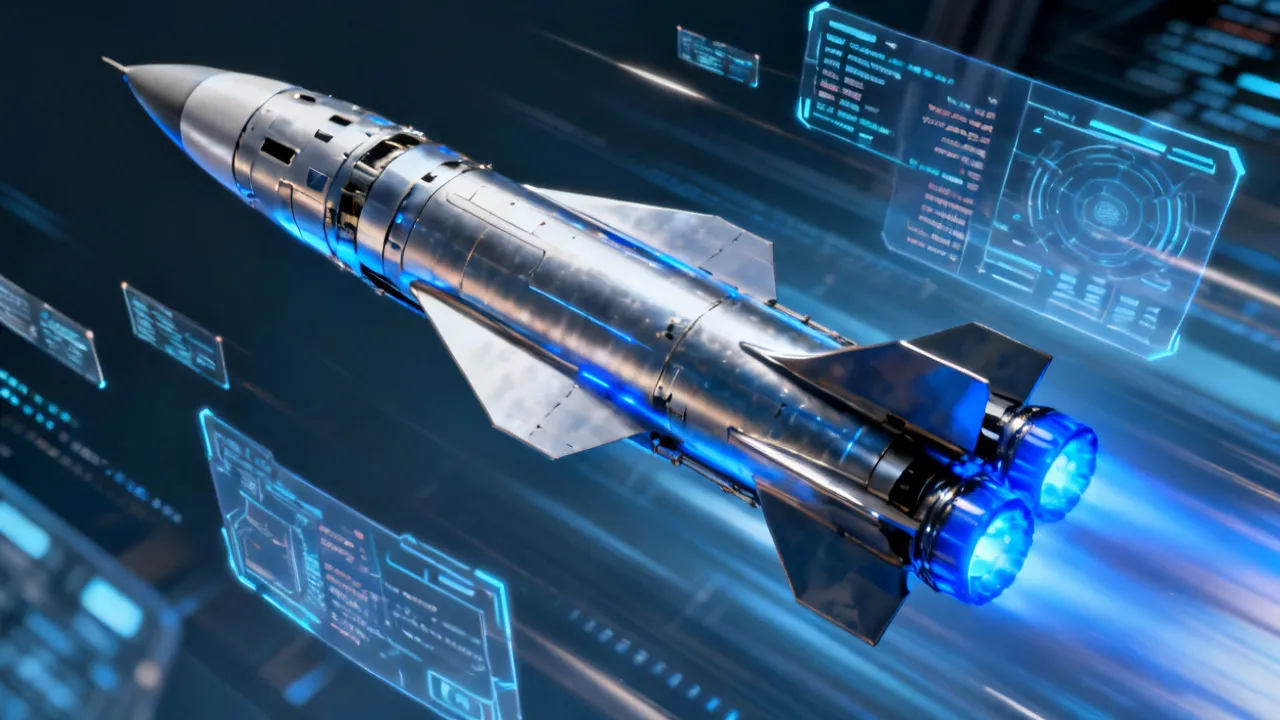
Missile technology represents the pinnacle of modern engineering, a critical component of military arsenals across the globe. These advanced weapons systems are crafted for precision targeting and varying ranges, encompassing tactical, operational, and strategic missile classes. Their development requires intricate design phases, complex engineering, and rigorous testing to ensure efficacy and reliability in deployment scenarios. The history of missile technology is a testament to human ingenuity, evolving from rudimentary gunpowder projectiles to sophisticated guidance systems that can deliver payloads with pinpoint accuracy. Furthermore, understanding the trajectory of missile technology is essential for examining contemporary military strategies and international relations.
Missiles are categorized into several types, each playing a distinct role in defense operations. Tactical missiles, for instance, are designed for short-range applications, providing support to ground forces. They are typically used in battlefield scenarios, where precision strikes can dramatically alter the course of engagements. Operational missiles cover intermediate ranges, impacting theater-level operations, often used for targeting enemy infrastructure or troop concentrations. Strategic missiles are critical for long-range engagements, often associated with nuclear deterrence due to their capability to traverse continents. This last category includes intercontinental ballistic missiles (ICBMs), which carry nuclear warheads and pose formidable threats to adversaries due to their vast ranges and destructive potential. Additionally, cruise missiles, which utilize jet engines and fly at lower altitudes, represent a middle ground by offering flexibility in strikes against both land and sea targets.
The development of missiles is guided by stringent requirements, including propulsion, guidance systems, and payload specifications. Propulsion varies among solid, liquid, and hybrid engines, each offering unique advantages in terms of speed, range, and payload capacity. Solid-fuel missiles are favored for their reliability and ease of storage, while liquid-fueled missiles tend to offer higher performance but require more complex fueling procedures before launch. Hybrid designs aim to combine the benefits of both types, providing flexibility and efficiency in various operational conditions. Guidance systems, utilizing GPS, inertial navigation, or laser technology, ensure accuracy, while the payload is tailored to mission objectives, ranging from conventional warheads to specialized munitions, including cluster bombs and precision-guided munitions that can minimize collateral damage in urban areas.
The intricate design process not only involves physical and mechanical engineering but also demands significant cooperation among various branches of technological development, including computer science and materials engineering. The materials used in missile construction must withstand extreme temperatures and pressures during flight and impact, prompting ongoing research into composites and layered materials. Additionally, simulations and live testing are crucial to validate missile performance under different conditions, ensuring that each system is ready for operational deployment.
The evolution of missile technology has witnessed significant advancements. The integration of artificial intelligence and data analytics enhances guidance systems, improving target acquisition and impact precision. Rather than solely relying on pre-programmed flight paths, modern missiles can adapt to changing circumstances, such as the movement of targets, thereby increasing their operational effectiveness. Emerging technologies, such as hypersonic missiles, challenge existing defense paradigms with their unprecedented speed and agility. These missiles fly at speeds greater than Mach 5, making them difficult to detect and intercept with current missile defense systems. Furthermore, advancements in propulsion techniques, such as scramjet technology, have provided these hypersonic missiles with extended range and flight time, shifting the tactical landscape dramatically.
Furthermore, the development of stealth technology plays an integral role in modern missile design, reducing their radar signature and increasing their chances of successful deployment without detection. Additional innovations in missile technology include the use of modular designs, which allow for the quick upgrading of systems without the need for complete redesigns, thus improving lifecycle management and cost-effectiveness for military organizations.
| Component | Traditional Missiles | Modern Missiles |
|---|---|---|
| Propulsion | Usually solid or liquid fuels | Includes hybrid and variable thrust technologies |
| Guidance | Inertial or manual | Enhanced with AI and real-time data processing |
| Payload | Conventional warheads | Advanced munitions including EMP and precision-guided systems |
| Range | Limited to strategic environments | Extensive reach with hypersonic capabilities |
| Stealth Characteristics | Minimal | Advanced to evade radar and detection systems |
| Launch Platforms | Ground-based and naval | Integrated airborne launch systems and mobile platforms |
Missile technology influences geopolitical dynamics, prompting international treaties like the Intermediate-Range Nuclear Forces Treaty to regulate deployment and proliferation. Negotiations and accords aim to prevent conflicts through strategic arms limitation, but technological advancements continually challenge these frameworks, necessitating ongoing diplomatic engagement. The globalization of missile technology has resulted in an arms race that now includes not only traditional military powers but also emerging nations seeking to bolster their defense capabilities against perceived threats. The proliferation of missile technology can destabilize regions, leading to conflicts driven by fears of a preemptive strike or the loss of strategic advantage.
In recent years, the rise of missile technology in countries like North Korea has posed significant challenges to international security, demonstrating how even smaller states can leverage these capabilities to exert influence and provoke stronger nations. The situation highlights the need for effective international monitoring systems and cooperative defense initiatives, drawing attention to the importance of engaging in comprehensive dialogues that address both existing threats and the potential for future conflicts.
Moreover, the relationship between missile technology and cyber warfare has emerged as another layer of complexity. As missile systems become increasingly integrated with digital networks for command and control, they are also exposed to the risks of cyber attacks that could impair their functionality or lead to accidental launches. Addressing these risks reinforces the necessity of safeguarding these advanced systems not only from physical threats but also from emerging cyber vulnerabilities.
The development and deployment of missiles remain pivotal in shaping modern military capabilities and geopolitical strategies. As technology evolves, so too does the complexity of maintaining global peace and security, balancing between technological progression and the necessity for strategic restraint through international cooperation. Understanding missile dynamics is crucial for both military experts and policymakers tasked with navigating the intricate web of defense and diplomacy. Examining trends, understanding emerging threats, and fostering international dialogue will play essential roles in preventing military conflicts fueled by misunderstandings or the misapplication of technology. Additionally, as the line between military and civilian applications of missile technology becomes increasingly blurred, it is imperative for nations to consider the broader implications of their defense strategies and maintain diplomatic channels to mitigate tensions that may arise from such advancements.
In conclusion, the landscape of missile technology is continuously evolving, driven by an intersection of engineering prowess and geopolitical necessity. As countries invest in advancements that shape their military effectiveness, the fabric of global security will require adaptation to foster a safe and stable international community. The ongoing dialogue and commitment to international agreements will be critical in cultivating a future where missile technology serves as a deterrent rather than a catalyst for conflict.
Striking the Perfect Balance: Navigating Premiums and Out-of-Pocket Expenses in Senior Insurance Plans

Explore the Tranquil Bliss of Idyllic Rural Retreats

How to Make Lasting Memories at Disneyland Attractions

Affordable Phones and Plans for Seniors

Affordable Full Mouth Dental Implants Near You

Unlock the Top Kept Secrets to Finding Your Ideal Dentist for Flawless Dental Implant Results!

Discovering Springdale Estates

Unveiling RS Sul Telecom Services

The Guide to Car Trading

Unveiling RS Sul Telecom Services
RS Sul Telecom emerges as a prominent entity in the telecommunications industry, providing reliable services across various regions. This article delves into the offerings of RS Sul Telecom, the benefits it presents to both individual and business clients, and its impact on the modern telecom landscape.

Understanding Rlock Advpl in Business
Rlock Advpl represents a pivotal advancement in business software solutions, offering enhanced security and efficiency for enterprise resource planning systems. This article delves into the intricacies of Rlock Advpl, its application in modern businesses, and the benefits it offers in streamlining operations and safeguarding data. As an expert tool, Rlock Advpl is essential for businesses looking to optimize their IT infrastructure.

Unveiling Atranet Innovation
Atranet represents a cutting-edge concept in networking technology. Harnessing its capabilities can transform digital communication by providing seamless connectivity. Designed to optimize data transfer, security, and efficiency, Atranet is shaping the future of how we connect and share information. This article delves into its structure, applications, and potential impacts on industry practices and consumer experiences.

Understanding Polysulfide Adhesive Applications
This comprehensive guide explores the applications and benefits of polysulfide adhesive, highlighting its unique properties and widespread use in construction, aerospace, and automotive industries. Known for its flexibility and resistance to various environmental factors, polysulfide adhesive is a key component in sealing and bonding applications, providing durability and reliability in demanding conditions.
Comparing Vtex with Salesforce Commerce
This article provides an in-depth comparison between Vtex and Salesforce Commerce, two leading digital commerce platforms. Each offers unique features suited to different business needs. Vtex is renowned for its collaborative commerce approach, while Salesforce Commerce shines with its comprehensive customer relationship management capabilities. Explore their differences, strengths, and insights from industry experts.
Understanding the Latest Chrome Version
This article delves into the intricacies and features of the latest Chrome version. Chrome, developed by Google, is one of the very popular web browsers globally, known for its speed, simplicity, and security features. Each update aims to enhance user experience through improved functionality and performance. Understanding these updates is crucial for both everyday users and developers.