This guide delves into the intricate world of missiles—complex weapons designed to deliver payloads with precision. Missiles range from short-range guided systems to intercontinental ballistic missiles. The article explores their technological advancements, operational mechanisms, ethical considerations, and the geopolitical implications they carry in today's defense landscape.
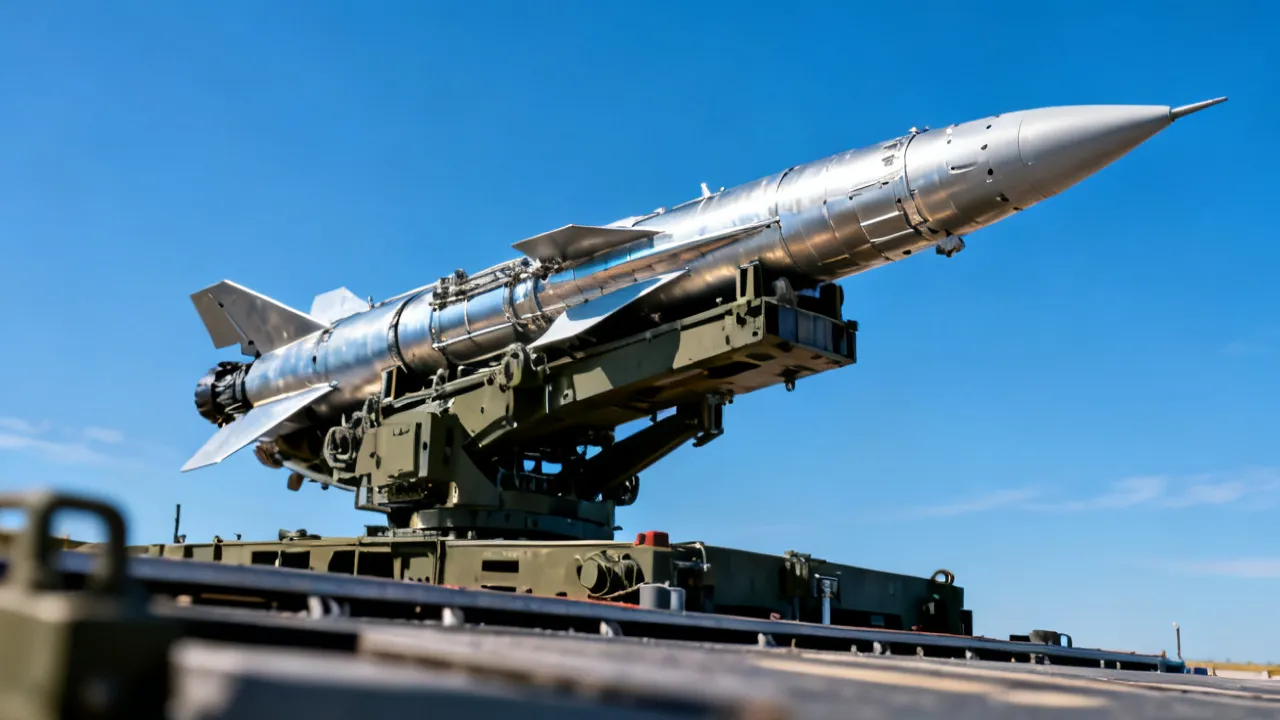
Missiles represent one of the pinnacle achievements in military technology, transforming the nature of warfare with their precision and power. Modern missiles are engineered to deliver payloads over varying distances with incredible accuracy, whether they are short-range tactical weapons or intercontinental ballistic missiles (ICBMs). This article explores not only the technical complexities behind missiles but also their strategic importance in the modern world.
A missile is composed of several critical components including the propulsion system, guidance and control systems, warhead, and airframe. Each element plays a crucial role in the missile's function. The propulsion system, whether solid or liquid fuel, provides the necessary thrust, while guidance systems ensure that missiles reach their target with pinpoint accuracy. Here’s a more in-depth look at these components:
The evolution of missile technology has seen increased precision, power, and adaptability. Developments in propulsion technology have extended ranges and enhanced maneuverability. Advanced guidance systems enable missiles to track and adjust paths mid-flight. Hypersonic missiles, which travel at speeds greater than Mach 5, represent the latest leap, offering unprecedented velocity and reduced reaction times for defenses.
Technological innovations also provide the basis for various missile types, including cruise missiles and ballistic missiles. Cruise missiles are capable of sustained flight at low altitudes, allowing them to avoid detection by radar. This stealth capability enables them to penetrate into hostile airspace where they can effectively engage strategic targets. Additionally, advancements in materials science and engineering have contributed to the improved efficiency and effectiveness of missile systems.
Another significant advancement is in the realm of artificial intelligence (AI) and machine learning, which is being integrated into missile technology for better targeting solutions. AI can analyze vast amounts of data in real-time, providing missile systems with advanced decision-making capabilities that were previously unattainable. Moreover, with improved sensors and computational power, AI can potentially reduce the risks of collateral damage by enhancing the precision of strikes against hostile entities.
Missiles are a critical component of national security strategies worldwide. They serve as deterrents and defensive tools in the geopolitical arena. Nations invest in missile technology as part of their strategic defense initiatives, balancing offensive and defensive capabilities. The proliferation of missile technology poses significant challenges, requiring diplomatic and regulatory frameworks to manage global security risks.
Different countries view missile development through varying lenses—some see it as a means of assuring deterrence against potential aggressors, while others may perceive it as an escalatory threat. This disparity often leads to heightened tensions, as nations may feel compelled to bolster their own arsenals in response to perceived threats from the advancements of others. For instance, the missile programs of North Korea and Iran have drawn significant international scrutiny and concern, prompting sanctions and diplomatic efforts aimed at curbing their development.
Furthermore, nuclear deterrence and missile defense systems create a complex strategic landscape. Countries must navigate a delicate balance between maintaining a credible deterrent posture while also investing in defensive capabilities to protect against incoming missile threats, leading to an arms race in developing more sophisticated interceptors and missile designs.
The deployment of missiles introduces ethical debates concerning warfare and civilian safety. The consequences of missile strikes can be dire, particularly if they result in unintended casualties among civilian populations. This reality raises profound moral questions about the use of such technologies in conflict scenarios. International humanitarian law emphasizes the importance of distinction and proportionality in the use of force, yet the precision of modern missiles, while improved, does not eliminate the risk of collateral damage.
International treaties, such as the Missile Technology Control Regime (MTCR), aim to regulate the spread and development of missile technology, maintaining a balance between national defense requirements and global security. Ethical considerations focus on minimizing civilian casualties and preventing arms races. The integration of measures to ensure transparency and accountability in missile operations can serve as an effective means of promoting stability and reducing the likelihood of conflict.
The debate surrounding autonomous weapons systems further complicates ethical discussions. The potential for AI-controlled missiles to operate without human intervention raises significant questions about accountability and moral responsibility during warfare. As technology advances, stakeholders in global security must remain vigilant in addressing these ethical dilemmas, ensuring they do not outpace necessary legal and moral frameworks.
| Missile Type | Description |
|---|---|
| Surface-to-Surface | Designed to be launched from the ground to hit a land-based target, varying in range from tactical to intercontinental. Examples include the U.S. Army's Tactical Missile System (ATACMS) and Russia's Iskander missiles. |
| Surface-to-Air | Developed to intercept aircraft or other missiles, providing strategic air defense capabilities. Notable systems include the American Patriot missile and Russia’s S-400 system, both of which play vital roles in national air defense strategies. |
| Submarine-launched | Equipped for launch from submarines, often designed for nuclear deterrence and strategic impact. Examples include the U.S. Trident II and Russia's R-29RMU Sineva, which provide stealthy second-strike capabilities. |
| Air-to-Air | Fired from an aircraft to destroy aerial targets, enhancing air superiority. Research is ongoing to evolve beyond traditional missiles towards faster and more agile systems, with examples such as the AIM-120 AMRAAM and the Russian R-77. |
| Ballistic | Travel primarily in a high, arching trajectory, with sections that can travel far beyond the atmosphere. ICBMs like the Minuteman III and Russia's RS-28 Sarmat are designed to deliver nuclear warheads across continents. |
| Cruise Missiles | Fly at lower altitudes and can be launched from various platforms to deliver precision strikes on ground targets. Well-known examples include the Tomahawk and the Indian BrahMos missile. |
| Hypersonic Missiles | Currently under development, they promise speeds above Mach 5 and maneuverability, making them harder to detect and intercept compared to traditional missiles. Countries like Russia and China boast considerable advancements in this area. |
The future of missile technology is shaped by ongoing research and technological advancements. Focus areas include increasing precision, reducing costs, and ensuring resilience against electronic warfare. As missile defense systems improve, attackers continuously seek ways to bypass these defenses, leading to a cycle of innovation and adaptation.
One significant trend is the development of swarm missile systems, where multiple missiles equipped with advanced AI work in concert to overwhelm defensive systems. The sheer volume of incoming threats poses a challenge for even the most sophisticated defense networks, enabling higher chances of penetration and success against fortified positions.
Further, space-based missile systems are on the horizon as nations explore new domains for strategic advantages. With the rising importance of outer space in military operations, the potential for anti-satellite missiles and space-based interceptors is being investigated. These capabilities could fundamentally change the landscape of global defense strategies.
Moreover, additive manufacturing, often referred to as 3D printing, may reduce costs and streamline the production of missile components. The ability to produce complex parts on-demand can provide significant advantages, especially in times of conflict where rapid resupply is crucial.
Another area of innovation lies in incorporating advanced materials into missile construction that reduce radar visibility, improve maneuverability, or enhance thermal resistance. These innovations boost overall missile effectiveness and make interception increasingly challenging for defense systems, thereby promoting strategic stability for nations employing such technologies.
In conclusion, missile technology remains a domain of strategic importance, balancing technological prowess with ethical considerations and international regulations. As nations continue to develop and refine these formidable weapons, the aim is towards maintaining both national defense and global security. Whether contemplating future innovations or current capabilities, understanding the nuances of missile technology is crucial for navigating the complexities of modern warfare. The advancement of missile technology is not just a reflection of military ambition but a testament to the continual interplay between security, diplomacy, and the quest for peace in an ever-evolving geopolitical landscape.
Striking the Perfect Balance: Navigating Premiums and Out-of-Pocket Expenses in Senior Insurance Plans

Explore the Tranquil Bliss of Idyllic Rural Retreats

How to Make Lasting Memories at Disneyland Attractions

Affordable Phones and Plans for Seniors

Affordable Full Mouth Dental Implants Near You

Unlock the Top Kept Secrets to Finding Your Ideal Dentist for Flawless Dental Implant Results!

Discovering Springdale Estates

Unveiling RS Sul Telecom Services

The Guide to Car Trading

Unveiling RS Sul Telecom Services
RS Sul Telecom emerges as a prominent entity in the telecommunications industry, providing reliable services across various regions. This article delves into the offerings of RS Sul Telecom, the benefits it presents to both individual and business clients, and its impact on the modern telecom landscape.

Understanding Rlock Advpl in Business
Rlock Advpl represents a pivotal advancement in business software solutions, offering enhanced security and efficiency for enterprise resource planning systems. This article delves into the intricacies of Rlock Advpl, its application in modern businesses, and the benefits it offers in streamlining operations and safeguarding data. As an expert tool, Rlock Advpl is essential for businesses looking to optimize their IT infrastructure.

Unveiling Atranet Innovation
Atranet represents a cutting-edge concept in networking technology. Harnessing its capabilities can transform digital communication by providing seamless connectivity. Designed to optimize data transfer, security, and efficiency, Atranet is shaping the future of how we connect and share information. This article delves into its structure, applications, and potential impacts on industry practices and consumer experiences.

Understanding Polysulfide Adhesive Applications
This comprehensive guide explores the applications and benefits of polysulfide adhesive, highlighting its unique properties and widespread use in construction, aerospace, and automotive industries. Known for its flexibility and resistance to various environmental factors, polysulfide adhesive is a key component in sealing and bonding applications, providing durability and reliability in demanding conditions.
Comparing Vtex with Salesforce Commerce
This article provides an in-depth comparison between Vtex and Salesforce Commerce, two leading digital commerce platforms. Each offers unique features suited to different business needs. Vtex is renowned for its collaborative commerce approach, while Salesforce Commerce shines with its comprehensive customer relationship management capabilities. Explore their differences, strengths, and insights from industry experts.
Understanding the Latest Chrome Version
This article delves into the intricacies and features of the latest Chrome version. Chrome, developed by Google, is one of the very popular web browsers globally, known for its speed, simplicity, and security features. Each update aims to enhance user experience through improved functionality and performance. Understanding these updates is crucial for both everyday users and developers.
