This guide delves into the intricacies of missiles, a crucial component of modern military arsenals. Missiles are precision-guided weapons with the capacity to travel vast distances and impact targets with high accuracy. Their development reflects advancements in technology and strategic needs, making them a subject of interest for defense analysis and geopolitical contexts.
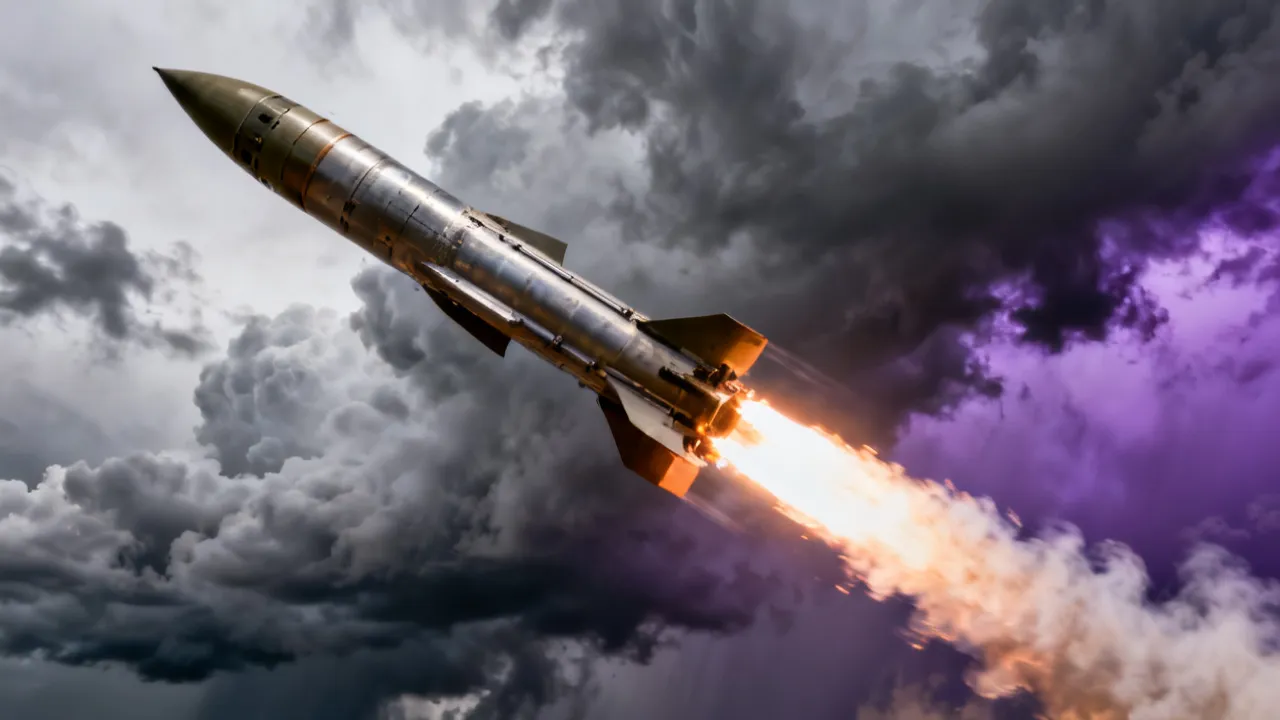
Missiles represent a significant leap in military technology, engineered for precision and efficiency. Initially utilized in World War II, the development of missile technology has become a cornerstone of modern defense strategies worldwide. Over the decades, innovations in guidance systems, propulsion, and warhead capabilities have transformed missiles into highly sophisticated tools designed for strategic warfare. An essential part of the military arsenal, missiles have evolved from simple projectiles into complex systems capable of executing a wide range of missions with high reliability.
During the early days of their usage in combat, missiles were primarily considered rudimentary weapons with limited capabilities. However, the advent of the Cold War accelerated advancements in missile technology as nations scrambled to create effective deterrents against potential threats from rival powers. The development of technology paralleled advances in computer science and engineering, allowing for significant enhancements in missile guidance, range, and lethality.
Missile technology today incorporates advanced features such as stealth capabilities, artificial intelligence-driven targeting solutions, and hypersonic speeds, making them formidable tools of modern warfare. Countries continuously invest in research and development to create next-generation missile systems with improved accuracy, increased range, and more sophisticated payload options, ensuring that missiles remain at the forefront of military capability.
Missiles can be broadly categorized based on their range, purpose, and launch platforms. Short-range tactical missiles provide critical support in localized engagements, while medium, long-range, and intercontinental ballistic missiles (ICBMs) serve strategic roles, influencing global security. Each category serves distinct roles within military arsenals, tailored to specific operational needs.
| Type | Range | Description |
|---|---|---|
| Short-range | < 1,000 km | Used primarily for battlefield support and close proximity targets. Examples include the U.S. Army's ATACMS and India’s Prithvi missiles. |
| Medium-range | 1,000–3,500 km | Effective in regional strategic targets, providing flexibility in deployment. Missiles like the Russian 9M728 (NATO designation: SSC-8) fall into this category. |
| Long-range | 3,500–5,500 km | Designed for great power projection, capable of reaching targets across continents. The U.S. Minuteman III ICBM is an example. |
| Intercontinental | > 5,500 km | Designed for long-range deterrence, often armed with nuclear warheads. Examples include the U.S. LGM-30 Minuteman and the Russian R-36. |
| Cruise missiles | Varies, typically 1,500+ km | Fly at low altitudes using jet engines for precision strikes. Notable examples are the U.S. Tomahawk and Russian Kalibr missiles. |
| Anti-ship missiles | Varies, typically 200–1,000 km | Designed for targeting naval vessels, examples include the P-800 Oniks and Exocet missiles. |
With the development of missiles, equally sophisticated defense systems have emerged to counteract missile threats. These include ground-based interceptors, ship-based Aegis systems, and advanced radar technologies that form a multi-layered defense structure. Such defense systems have become crucial in safeguarding nations against potential missile attacks, creating a robust shield against the evolving landscape of missile technology.
The effectiveness of missile defense systems relies on several components, including detection and tracking radar, command and control systems, and interceptor missiles. For example, the U.S. Ground-based Midcourse Defense (GMD) system is designed to intercept incoming ballistic missiles during their midcourse phase, employing ground-based interceptors. Additionally, Europe’s Aegis Ballistic Missile Defense (BMD) system utilizes ship-based Aegis-equipped destroyers for intercepting short and medium-range missiles, providing a flexible and mobile defense capability.
Moreover, nations are exploring laser-based interception systems, which promise rapid response capabilities with low operational costs. Countries like the United States and Israel invest heavily in systems like the Iron Dome, which is specialized for intercepting short-range threats with high hit probabilities. Other systems, such as the Terminal High Altitude Area Defense (THAAD), are being integrated into broader defense strategies to provide layered defense solutions that can adapt to emerging missile threats.
The complexity of missile technology also brings challenges regarding its ethical use and non-proliferation. Ensuring that such powerful technology does not fall into the wrong hands or spark an arms race between nations is crucial. Global treaties and diplomatic efforts play significant roles in managing these aspects. For instance, frameworks such as the Non-Proliferation Treaty (NPT) aim to curb the spread of nuclear weapons and associated delivery systems, underscoring the global commitment to preventing catastrophic military confrontations.
Additionally, the ethical implications of using missiles in warfare remain profoundly significant. The precision of modern missiles can lead to fewer civilian casualties compared to traditional bombing tactics. However, the use of missiles in densely populated areas raises concerns regarding collateral damage and adherence to international humanitarian law. Furthermore, the potential for preemptive missile strikes could lead to unintended escalations in conflicts, emphasizing the need for responsible and measured responses in military engagements.
Emerging norms around missile technology, particularly with the rise of hypersonic missiles and autonomous strike systems, also raise questions about accountability and the role of international legislation. Ongoing discussions in international forums are essential to address the balance between military advancements and the moral responsibilities of nations wielding such technologies.
Beyond their technical capabilities, missiles are pivotal in geopolitical strategy. They serve as deterrent tools that influence international relations and balance power dynamics globally. For example, countries with advanced missile capabilities often leverage these assets to assert influence during diplomatic negotiations or conflicts, shaping regional power structures.
A notable instance is North Korea, which has invested heavily in missile technology to bolster its bargaining position vis-à-vis the United States and South Korea. The North Korean regime views its missile arsenal as essential for national security and regime survival, often leading to heightened tensions on the Korean Peninsula.
On the other hand, nations like the United States and Russia maintain extensive missile arsenals, using them as deterrents against adversaries while simultaneously engaging in arms control treaties to mitigate the risks of escalation. This duality of maintaining capabilities while pursuing diplomatic solutions illustrates the complexities of modern geopolitics around missile technology.
Furthermore, the proliferation of missile technology to non-state actors poses a burgeoning threat to global stability. The accessibility of missile technology and expertise may enable terrorist organizations or rogue nations to disrupt international peace efforts, prompting a reevaluation of security strategies globally. Nations must cooperate and share intelligence to preemptively address these threats while reinforcing non-proliferation measures under international agreements.
This comprehensive overview of missile technology provides insights into its role in modern defense and global geopolitics, highlighting the importance of continued innovation and ethical considerations in its development and deployment. Understanding the intricate balance between leveraging military capabilities and ensuring global security remains vital as missile technology continues to evolve. As nations navigate the complexities of missile development and proliferation, the implications of these advancements will undoubtedly shape military strategies, diplomatic relations, and international stability for years to come.
Striking the Perfect Balance: Navigating Premiums and Out-of-Pocket Expenses in Senior Insurance Plans

Explore the Tranquil Bliss of Idyllic Rural Retreats

How to Make Lasting Memories at Disneyland Attractions

Affordable Phones and Plans for Seniors

Affordable Full Mouth Dental Implants Near You

Unlock the Top Kept Secrets to Finding Your Ideal Dentist for Flawless Dental Implant Results!

Discovering Springdale Estates

Unveiling RS Sul Telecom Services

The Guide to Car Trading

Unveiling RS Sul Telecom Services
RS Sul Telecom emerges as a prominent entity in the telecommunications industry, providing reliable services across various regions. This article delves into the offerings of RS Sul Telecom, the benefits it presents to both individual and business clients, and its impact on the modern telecom landscape.

Understanding Rlock Advpl in Business
Rlock Advpl represents a pivotal advancement in business software solutions, offering enhanced security and efficiency for enterprise resource planning systems. This article delves into the intricacies of Rlock Advpl, its application in modern businesses, and the benefits it offers in streamlining operations and safeguarding data. As an expert tool, Rlock Advpl is essential for businesses looking to optimize their IT infrastructure.

Unveiling Atranet Innovation
Atranet represents a cutting-edge concept in networking technology. Harnessing its capabilities can transform digital communication by providing seamless connectivity. Designed to optimize data transfer, security, and efficiency, Atranet is shaping the future of how we connect and share information. This article delves into its structure, applications, and potential impacts on industry practices and consumer experiences.

Understanding Polysulfide Adhesive Applications
This comprehensive guide explores the applications and benefits of polysulfide adhesive, highlighting its unique properties and widespread use in construction, aerospace, and automotive industries. Known for its flexibility and resistance to various environmental factors, polysulfide adhesive is a key component in sealing and bonding applications, providing durability and reliability in demanding conditions.

Comparing Vtex with Salesforce Commerce
This article provides an in-depth comparison between Vtex and Salesforce Commerce, two leading digital commerce platforms. Each offers unique features suited to different business needs. Vtex is renowned for its collaborative commerce approach, while Salesforce Commerce shines with its comprehensive customer relationship management capabilities. Explore their differences, strengths, and insights from industry experts.

Understanding the Latest Chrome Version
This article delves into the intricacies and features of the latest Chrome version. Chrome, developed by Google, is one of the very popular web browsers globally, known for its speed, simplicity, and security features. Each update aims to enhance user experience through improved functionality and performance. Understanding these updates is crucial for both everyday users and developers.