This article delves into the intricacies of missile technology, exploring the advancements and implications in the field. Missiles represent advanced weaponry capable of precise targeting and delivery over varying distances. By examining the components, applications, and strategic importance of missiles, we gain insights into their impact on global security and defense strategies.
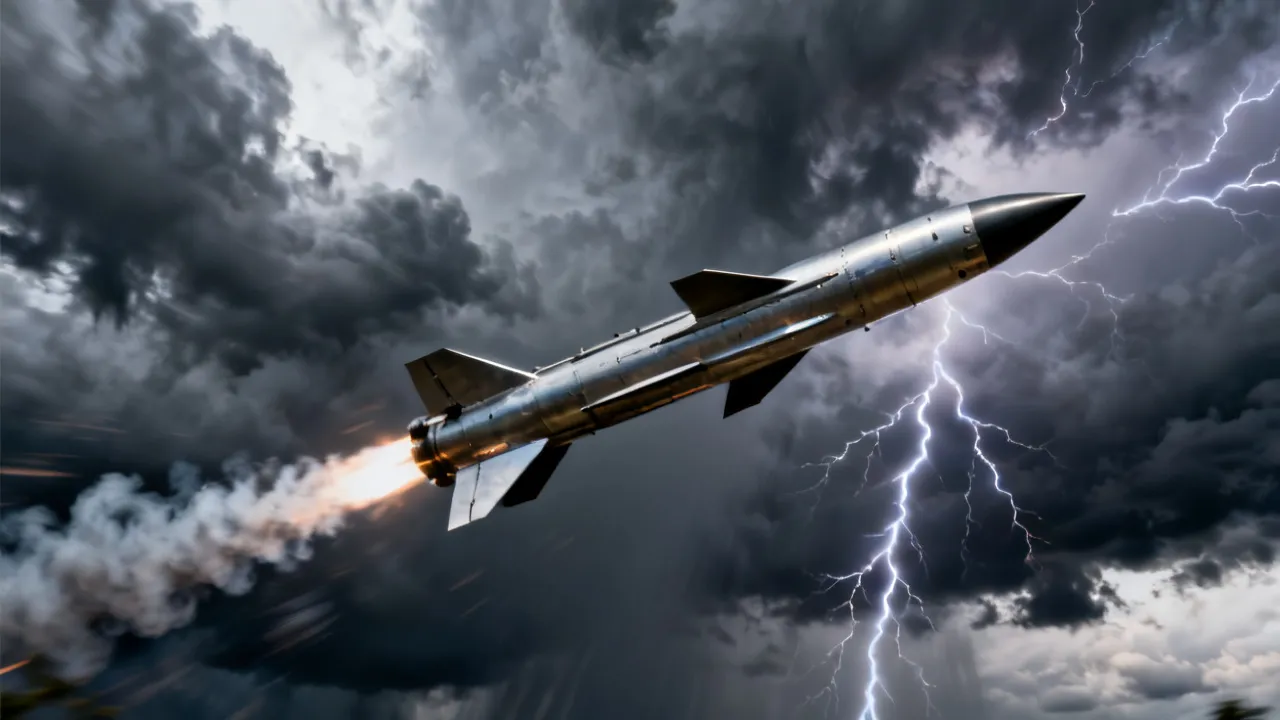
Missile technology has advanced significantly, transforming from simple unguided rockets into sophisticated, precision-targeted vehicles that play a crucial role in modern defense systems. The evolution of missile technology has been driven by the need for increased accuracy, range, and payload capabilities. Today, missiles not only serve as powerful weapons systems but also embody the intersection of engineering, physics, and computer science, reflecting broader technological advancements across multiple domains.
The roots of missile technology can be traced back to ancient warfare when early rockets were used in battle. These primitive designs have evolved over centuries due to innovations in material science, aerodynamics, and electronics. As military needs shifted and international relations became more complex, the development of guided missile capabilities emerged as a necessity, marking significant milestones in national defense strategies. For instance, World War II saw immense advancements during the era of the V-2 rocket, which represented the culmination of earlier rocket technology into a military application.
A missile is generally composed of several key components, each playing a vital role in its operation. These include the propulsion system, guidance system, control surfaces, and payload. The propulsion system, typically a rocket or jet engine, powers the missile to its target. The guidance system, employing technologies such as GPS, inertial guidance, or radar, ensures precision targeting. Meanwhile, control surfaces help stabilize and steer the missile during flight. The payload, often explosive, defines the missile's mission, be it destruction, interception, or reconnaissance.
Every component of a missile is crucial to its overall functionality. The propulsion system can vary; for instance, solid fuel rockets provide reliability and simplicity in design, while liquid fuel rockets offer higher efficiency and power. Advancements in propulsion technology continue to improve missile performance, with developers exploring hybrid designs that combine the advantages of both solid and liquid propulsion methods.
The missile’s guidance system is particularly essential, evolving immensely through the years. In recent developments, GPS and inertial navigation are augmented by advanced command and control systems that allow for real-time adjustments to the missile's flight path based on dynamic target movements. Furthermore, the sophistication of these systems has led to the development of terminal guidance technologies, utilizing laser or infrared seekers to ensure the highest hit probability against moving targets.
Missiles are categorized according to their launch platform and target engagement, including surface-to-air, air-to-ground, and ballistic missiles. Each type serves distinct strategic objectives within military operations. Surface-to-air missiles, for example, are employed to intercept and neutralize incoming airborne threats, while air-to-ground missiles are used by aircraft to engage ground-based targets with pinpoint accuracy.
Within these categories, there are further classifications based on range and operational role. Short-range ballistic missiles (SRBMs), for example, are designed to be fired from vehicles and typically cover distances of up to 1,000 kilometers. Conversely, intercontinental ballistic missiles (ICBMs) can travel distances exceeding 5,500 kilometers, making them capable of targeting adversaries far from their launch point. This capability is a driving force behind global security dynamics, as many nations strive to attain and maintain their own ICBM arsenals as a deterrent against potential aggressors.
In addition to these, cruise missiles represent a significant innovation in missile technology, characterized by their ability to fly at low altitudes and make evasive maneuvers. These missiles are typically powered by jet engines and can be launched from various platforms including ships, submarines, and aircraft. They combine the long-range capability of ballistic missiles with the tactical advantage of precise, military-strategic targeting.
The strategic implications of missile technology extend beyond immediate military applications. Missiles are central to national defense strategies, influencing political dynamics and deterrence policies. The ability to deploy precision-guided weapons from great distances has prompted nations to continuously develop and refine missile technologies, often spurring arms races and influencing diplomatic negotiations. The introduction of cutting-edge missile systems alters the balance of power and impacts the overall security landscape, requiring countries to adjust their military strategies accordingly.
Moreover, the proliferation of missile technology poses significant challenges to global security. Advances in missile capabilities are not limited to major military powers; increasingly, they have spread to smaller nations and even non-state actors. This democratization of missile technology raises concerns about the potential for regional conflicts to escalate and for advanced weaponry to fall into the hands of terrorist organizations or rogue states. Thus, international treaties and non-proliferation efforts have become crucial in managing the risks associated with missile technology proliferation.
Additionally, missile defense systems have multiplied in response to the growing capabilities of offensive missile technology. Nations are compelled to develop countermeasure strategies, which include the integration of satellite surveillance and advanced early warning systems designed to detect and neutralize incoming threats before they can reach intended targets. This often results in a continual cycle of advancements, as both sides of the missile equation — offense and defense — strive for technological superiority.
Recent advancements in missile technology focus on increasing range, speed, and accuracy, with significant investments in hypersonic missiles. These next-generation weapons travel at speeds exceeding Mach 5, making them difficult to intercept and expanding their strategic capabilities. Due to their high velocity and maneuverability, hypersonic missiles challenge existing missile defense systems, thereby reshaping the tactical landscape.
Emerging technologies, such as artificial intelligence, are being integrated into missile systems to enhance autonomous targeting and decision-making processes. For example, machine learning algorithms can analyze vast amounts of data in real-time, allowing missiles to adaptively alter their flight paths to avoid countermeasures, assess threats more effectively, and manage communications with command and control units. Such integration brings forth enhanced operational flexibility, but it also raises ethical considerations regarding automated warfare and the potential for unintended consequences during engagements.
Moreover, the integration of advanced materials like composites and lighter alloys has enabled the design of more efficient missiles. These materials not only contribute to greater agility and maneuverability but also enhance the missiles' stealth features, making them less detectable to radar systems and increasing the likelihood of mission success.
As nations continue to invest in missile technology, several emerging trends include the development of swarm missile technologies, where multiple small missiles coordinate to overwhelm defenses, and advancements in directed energy weapons capable of intercepting missiles in flight through high-energy lasers or microwave systems. Each of these trends demonstrates the dual push towards increasing offensive capabilities while concurrently enhancing defensive measures.
Modern defense systems integrate missile technology as a fundamental component. Nations invest heavily in missile defense capabilities to counteract potential threats. These systems are characterized by multi-layered defense mechanisms, providing an umbrella of protection against various missile threats. Ground-based interceptor missiles are one such component, designed to detect, track, and destroy incoming missiles. Various components work collaboratively to enhance the robustness of these systems.
Another critical aspect of missile defense is the role played by satellite systems. Satellites provide early warning capabilities and support tracking of missile launches globally. These systems help in assessing threats by monitoring missile trajectories, thereby allowing defense systems to respond rapidly to incoming threats. The synchronization of space-based assets with surface-based interceptor systems showcases the sophistication of modern integrated defense solutions.
A notable example includes the Aegis Ballistic Missile Defense System, which utilizes a highly advanced radar system integrated with navy ships capable of intercepting short to intermediate-range ballistic missiles. By employing a layered defense strategy that includes early detection, target tracking, and interception, the Aegis system acts as a frontline defense mechanism for naval operations.
Furthermore, countries are also investing in the development of international missile defense collaborations. By sharing technology, intelligence, and resources, allied nations aim to enhance collective defense strategies against shared threats. Such multilateral agreements enhance interoperability among different missile defense systems, leading to a more effective collective response in the event of a missile attack.
| Defense System | Description | Country |
|---|---|---|
| THAAD | Terminal High Altitude Area Defense; intercepts exo-atmospheric and endo-atmospheric ballistic missiles. | United States |
| Iron Dome | An all-weather air defense system designed to intercept short-range rockets and artillery shells, providing essential defense for urban areas. | Israel |
| Patriot | Surface-to-air missile system for countering tactical ballistic missiles, cruise missiles, and advanced aircraft. A cornerstone of U.S. air defense. | United States |
| Arrow | A family of anti-ballistic missiles developed for intercepting long-range threats, particularly effective against ICBM and medium-range ballistic missile threats. | Israel |
| S-400 | A highly advanced anti-aircraft weapon system developed in Russia, capable of targeting aircraft and ballistic missiles at long ranges with high accuracy. | Russia |
| David’s Sling | A missile defense system designed to intercept medium-to-long range threats, including missile systems and UAVs, implementing advanced radar technology. | Israel |
| SEA FURY | A recent addition to the naval missile defense arsenal, designed for supplementing shipborne defenses against incoming missile threats. | Multiple countries (under development) |
In conclusion, missile technology remains a cornerstone of modern military capabilities, continually evolving to meet the demands of national security. As technology advances, so too does the complexity and potential of missiles, necessitating ongoing research and development to address new challenges and threats in an ever-changing global landscape. The arms race spurred by the advancements in missile technology prompts nations to reevaluate their defense strategies on multiple fronts, including preemption, deterrent capabilities, and cooperative defense undertakings.
As countries navigate these developments, the balance between innovation and ethics in missile technology will remain a complex issue. Future discussions on the role of automated systems in warfare necessitate considerations around accountability, decision-making processes, and the impact of these technologies on civilian populations. Thus, while missile technology heralds significant advancements, it also poses profound moral questions that the international community must address thoughtfully.
Striking the Perfect Balance: Navigating Premiums and Out-of-Pocket Expenses in Senior Insurance Plans

Explore the Tranquil Bliss of Idyllic Rural Retreats

How to Make Lasting Memories at Disneyland Attractions

Affordable Phones and Plans for Seniors

Affordable Full Mouth Dental Implants Near You

Unlock the Top Kept Secrets to Finding Your Ideal Dentist for Flawless Dental Implant Results!

Discovering Springdale Estates

Unveiling RS Sul Telecom Services

The Guide to Car Trading

Unveiling RS Sul Telecom Services
RS Sul Telecom emerges as a prominent entity in the telecommunications industry, providing reliable services across various regions. This article delves into the offerings of RS Sul Telecom, the benefits it presents to both individual and business clients, and its impact on the modern telecom landscape.

Understanding Rlock Advpl in Business
Rlock Advpl represents a pivotal advancement in business software solutions, offering enhanced security and efficiency for enterprise resource planning systems. This article delves into the intricacies of Rlock Advpl, its application in modern businesses, and the benefits it offers in streamlining operations and safeguarding data. As an expert tool, Rlock Advpl is essential for businesses looking to optimize their IT infrastructure.

Unveiling Atranet Innovation
Atranet represents a cutting-edge concept in networking technology. Harnessing its capabilities can transform digital communication by providing seamless connectivity. Designed to optimize data transfer, security, and efficiency, Atranet is shaping the future of how we connect and share information. This article delves into its structure, applications, and potential impacts on industry practices and consumer experiences.

Understanding Polysulfide Adhesive Applications
This comprehensive guide explores the applications and benefits of polysulfide adhesive, highlighting its unique properties and widespread use in construction, aerospace, and automotive industries. Known for its flexibility and resistance to various environmental factors, polysulfide adhesive is a key component in sealing and bonding applications, providing durability and reliability in demanding conditions.

Comparing Vtex with Salesforce Commerce
This article provides an in-depth comparison between Vtex and Salesforce Commerce, two leading digital commerce platforms. Each offers unique features suited to different business needs. Vtex is renowned for its collaborative commerce approach, while Salesforce Commerce shines with its comprehensive customer relationship management capabilities. Explore their differences, strengths, and insights from industry experts.

Understanding the Latest Chrome Version
This article delves into the intricacies and features of the latest Chrome version. Chrome, developed by Google, is one of the very popular web browsers globally, known for its speed, simplicity, and security features. Each update aims to enhance user experience through improved functionality and performance. Understanding these updates is crucial for both everyday users and developers.
