Vehicle Availability determines what you can buy now, how fast you can close, and what options you can realistically compare. This guide explains—objectively—how major official car trading platforms present inventory, pricing signals, and listings. It then shows practical steps to locate a low-cost car for sale, evaluate condition and fees, and reduce risk before purchase.

If you want a cheap car that’s actually purchasable, start with Vehicle Availability. Inventory status drives which vehicles you can reserve immediately, which listings are still active, and how much time you have to compare trims, mileage, and dealer fees. In an active used-car market, the top “deal” is often the one that is available now—not the one that only existed last week.
From an industry perspective, availability is also a risk-control lever: listings that remain available through transparent dealer processes tend to have clearer documentation, while “missing” inventory can signal timing gaps, relocation, or incomplete paperwork. In practical terms, your goal is to shop in a way that turns availability into better decision quality.
When a vehicle is truly available, several things usually align: the VIN in the listing is still on-site or scheduled for pickup, the dealer has the ability to finalize purchase paperwork promptly, and the listing details are current enough that you can evaluate the same exact car you’ll test drive or inspect. If availability is uncertain, those alignments break down—and you may end up wasting time or making assumptions based on outdated information.
So, rather than treating “cheap car” as a price-only search, treat it as a price plus certainty problem. Availability gives you certainty. And certainty is what keeps a “cheap” deal from turning into a “cheap” disappointment.
Very buyers begin with large marketplaces and official dealer listings, then refine by price, distance, and vehicle attributes. The key is to understand how each platform treats inventory data—especially whether the listing includes pickup details, financing options, and vehicle condition notes.
Different platforms integrate dealer stock feeds and update cadences differently. Some refresh frequently and show “active” status reliably. Others may show listings that are still visible to users even when inventory is in flux, such as being “pending sale,” undergoing reconditioning, or awaiting title paperwork. The difference can matter: a listing that looks “available” might still be real, but your confidence should scale based on how consistently the platform and the seller provide verifiable details.
Below is a compact comparison of how major official trading websites commonly organize “Vehicle Availability” signals for shoppers. Use it to choose where to start your search workflow.
| Platform (official trading site) | Availability-related shopping features (typical) | How to use it for price searching |
|---|---|---|
| cars.com | Search by distance, trim, and availability of listed vehicles; inventory changes over time as dealers update stock. | Filter aggressively by total price and use alerts/saved searches to catch newly posted vehicles. |
| Carmax | Dealer-managed listings with standardized descriptions; stock availability updates frequently. | Compare “similar cars” within the same price band to reduce guesswork on condition expectations. |
| CaronaSale | Marketplace-style catalog intended to surface vehicles on sale; listing availability may vary by seller inventory. | Use location and price filters together, then verify listing details before scheduling inspection. |
| AutoTrader | Broad inventory from multiple sources; availability can shift as listings are refreshed or sold. | Sort by lowest price (within filters) and validate “active” status before comparing. |
Source: information derived from the official websites listed below. Sources: [www.cars.com](https://www.cars.com/), [www.carmax.com](https://www.carmax.com/cars), [www.caronsale.com](https://www.caronsale.com/en), [www.autotrader.com](https://www.autotrader.com/).
Even with this comparison, your real job is to translate what a website shows into what you can verify. A “cheap car on sale” is only as real as the seller’s ability to confirm the exact VIN, exact configuration (trim/options), and a purchase-ready status.
To find a cheap car that’s truly available, adopt a “workflow” rather than a one-time search. Think of it like inventory management: you’re trying to locate listings that remain active long enough for you to evaluate safely.
Many shoppers treat online car shopping like browsing online clothing. They click, compare, decide, and buy—without accounting for the fact that a used vehicle can move through steps quickly: it can be sold, placed on hold, sent to reconditioning, moved to another store, or have title paperwork delayed. A workflow helps you avoid being the last person to respond to a listing that was already taken by someone else.
A practical approach starts with a fast shortlist and ends with confirmation. The shortlist answers “what might be cheap and available,” while confirmation answers “what is actually available and purchasable right now.” If you separate those tasks clearly, you’ll make fewer expensive mistakes.
From an expert workflow standpoint, “cheap” is not a single number—it’s a combination of price, verification quality, and your ability to complete the transaction smoothly.
| Condition/Requirement | Why it matters for Vehicle Availability |
|---|---|
| Active listing confirmation before purchase | Prevents wasted time when inventory has changed; supports reliable availability of the exact VIN and configuration. |
| Itemized “out-the-door” quote | Ensures you compare true total cost; avoids hidden fees that can erase a price advantage. |
| Inspection or independent verification | Reduces risk that a “cheap car on sale” has mechanical or title-related problems. |
| Financing and payment estimate in writing | Helps you evaluate affordability quickly, especially when multiple similar cars appear simultaneously. |
| Clear timeline for seller response | Inventory can move quickly; fast responses improve your ability to secure available stock. |
These requirements also create leverage. When you ask for confirmation, itemization, and timelines, you’re effectively raising the “quality bar” for the transaction. That makes it less likely you’ll be drawn into a vague deal where the price is low but the process is unclear.
Additionally, these conditions are especially important when Vehicle Availability is tight. In tight markets, the seller may respond faster and move the process forward; in that case, you’ll want your questions prepared so you don’t miss key steps. In slower markets, the same requirements keep you from getting distracted by older listings that are no longer accurate.
Even without exaggerated claims, you can build confidence by observing patterns that indicate a listing’s trustworthiness.
To make these signals actionable, you can create a quick “availability confidence score” for each listing you consider. For instance, assign points for: (1) clear VIN matches, (2) listing has recent update activity, (3) seller confirms within a short timeframe, (4) condition notes include specifics, and (5) the seller provides an itemized quote without friction. Listings with higher scores should get your earliest attention.
Availability confidence matters because it changes your negotiation and timing strategy. If a listing shows high confidence, you can move faster because the risk is lower. If a listing shows low confidence, you should slow down and require more verification.
Many shoppers focus on the lowest advertised price. Industry practice suggests focusing on total value: the lowest cost for the quality you’re actually receiving.
Value evaluation also prevents the common pattern where a buyer “wins” the deal on the price but “loses” on downtime, repairs, or documentation issues. Cheap cars are not automatically bad; they’re simply where verification must be strongest. The checklist below helps you judge whether a low price is a genuine bargain or a signal of hidden risk.
Look for evidence of maintenance and request inspection results if available. If you can’t inspect immediately, prioritize vehicles with clearer documentation and less ambiguity in listing notes.
When you read a listing, pay attention to what’s omitted. If a seller says “runs and drives” but doesn’t mention anything about engine noise, transmission behavior, or warning lights, you’ll need to clarify these points. Likewise, if the listing does not mention tires, brakes, or battery condition, treat the “unknowns” as potential future costs. A disciplined checklist turns unknowns into questions rather than assumptions.
Mechanical condition also includes “driveability indicators” that you can test quickly during inspection: cold start behavior, smoothness of gear changes, steering alignment feel, brake response, and the presence of leaks. If you can’t inspect immediately, ask whether they have a fresh multi-point inspection report or whether they can allow an independent inspection before purchase.
Consider tire lifespan, braking wear, expected service items, fuel efficiency, and likely repairs for that model year. A “cheap car on sale” that consumes money in routine repairs may not be cheaper overall.
To evaluate ownership costs, you can ask for service record detail and compare the car to similar models. For example, some drivetrain configurations are known for certain maintenance patterns. Tires vary drastically by driving style and prior maintenance. Batteries and alternators have different life cycles depending on climate and usage.
Ownership cost thinking is also about insurance. Cheaper cars aren’t always cheaper to insure. Ask for insurance quotes or at least estimate insurance cost for your zip code. If your insurance premium is much higher than expected, the “cheap car” may not be affordable in practice even if the purchase price is low.
Ensure the paperwork supports a smooth transfer. If anything seems unclear, pause and clarify before committing—especially when pricing seems unusually low compared to similar listings.
Documentation clarity includes title status (clean title vs. branded), the presence of liens, and whether the seller can transfer title promptly. If the vehicle is financed, ask about how the payoff will be handled. If the vehicle has a rebuilt or salvage record, understand what that means for registration, inspections, and long-term value.
“Unusually low” pricing is not automatically a scam, but it is a strong trigger to verify every documentation detail. When price deviates significantly from the market, you need to know why: high miles, cosmetic issues, mechanical issues, or title complications. Clarifying the reason protects you from paying for a problem that someone else already knew about.
Some platforms and dealers operate with standardized steps. That can reduce friction around availability confirmation, documentation handling, and pre-purchase verification.
Standardized processes usually mean predictable timelines, clearer communication, and more consistent paperwork. If you’re dealing with a dealer or a structured marketplace, ask how they handle test drives, holds, and repair requests. A seller that follows a repeatable process is easier to work with and tends to reduce “last-minute surprises.”
Seller process quality also affects your negotiation and overall experience. Some sellers want you to sign quickly; others allow inspection. Some provide itemized fees; others provide a single total number. Your job is to choose the environment that aligns with your verification needs.
When you use official trading platforms like cars.com, Carmax, CaronaSale, and AutoTrader, treat them as structured starting points. Each site can help you shortlist cars, but you still need direct confirmation from the seller.
To avoid wasting time, optimize how you use filters and how you manage your shortlist. Think of your time as a resource, and prioritize listings that have the highest probability of matching your criteria and staying available.
Beyond the common tips, you can also adopt “batch communication.” Instead of contacting one dealer at a time across days, contact 3–5 sellers within a short time window and request the same set of information from each: VIN confirmation, out-the-door quote, availability status, and inspection options. Then compare responses. This method reduces the chance that you’ll be slow enough to lose inventory while also helping you detect sellers that provide vague answers.
If a seller responds with a clear VIN, quick confirmation, and an itemized quote, they rise to the top of your shortlist. If they delay or cannot provide straightforward information, the listing’s “availability confidence” drops—even if the vehicle appears cheap on the site.
Vehicle Availability isn’t only about whether you can buy the car today. It’s also about whether the dealership’s internal status matches what the listing suggests. In real-world transactions, a vehicle might show as active while it is undergoing reconditioning, scheduled transport, or additional repairs after a customer return. Those scenarios are not always problematic, but they require communication.
Availability risk often shows up in specific patterns:
Because of these patterns, availability should influence how you shop. In other words: availability affects your speed and your verification intensity.
Availability can improve decisions when you use it as a structured filter. Instead of thinking only about “Is it cheap?”, ask:
This turns availability into measurable criteria. You can ask sellers for concrete answers rather than relying on listing text alone. For example, “Can you hold the vehicle for 48 hours after I inspect it?” or “Can you provide a written breakdown of all fees before I arrive?” These questions establish whether the seller is prepared to complete the transaction—another form of availability proof.
When you do this consistently, you’ll find that many “cheap car” options become easier to evaluate. The cheap ones that are genuinely bargains will usually have sellers who can confirm quickly and clearly. The cheap ones that are traps will either be unavailable, misrepresented, or difficult to finalize.
Negotiation changes when availability is constrained. If multiple buyers are targeting the same vehicle, you may have less leverage. However, you still have tools. Your leverage shifts from “I’ll walk away” to “I’m verifying value thoroughly.”
Here are negotiation strategies that align with vehicle availability considerations:
Availability-aware negotiation is essentially risk management. It protects you from signing a deal that looks cheap but becomes expensive after add-ons, delays, or unresolved issues surface.
Even careful shoppers can fall into traps. Some traps are obvious scams, but many are simply the result of outdated listings, miscommunication, or rushed decisions. Vehicle Availability is often the key factor that distinguishes a real deal from a frustrating outcome.
Common pitfalls include:
These pitfalls are avoidable when you treat availability as the first filter and confirmation as the first verification step.
When you contact a seller, you should ask questions that confirm both availability and value. The goal is to avoid vague back-and-forth. Ask for specifics that you can compare across listings.
Here’s a set of strong questions you can reuse:
Seller responsiveness is also a signal. A seller that provides clear answers promptly demonstrates operational readiness, which often correlates with stable availability.
Vehicle Availability determines whether a listing is still active and whether the exact vehicle (VIN, trim, and options) is available for purchase. When availability is uncertain, the “cheap” price you saw may no longer apply, or the vehicle may have already been sold or moved to another location.
Additionally, uncertain availability can affect how confidently you can verify condition. If a dealer can’t confirm the car is present, you might struggle to schedule an inspection, see consistent information, or obtain a written quote that matches the vehicle you will drive home.
Use official trading sites to filter for active listings within your budget, then verify out-the-door pricing and current inventory status directly with the seller. The combination of a timely confirmation and an itemized cost comparison is the very reliable approach.
It helps to contact multiple sellers quickly, gather their written quotes, and compare the “total drive-away cost” rather than only the advertised price. If you wait too long, the cheapest options often get taken first.
Not automatically. The lowest price may reflect higher mileage, cosmetic wear, mechanical needs, or documentation differences. Evaluate total value: condition notes, ownership history, inspection findings, and all fees.
Trust is earned through verification. A low price is only a bargain if it aligns with condition and documentation and if it remains available long enough for you to inspect and finalize the purchase.
Yes, but do it carefully. Comparable price comparisons must use the same basis (ideally out-the-door total) and similar specifications. Also confirm Vehicle Availability and VIN details with the seller, since listing content can change.
Comparing safely also involves noticing when listings are missing key details. If one website provides clear condition notes and another doesn’t, you may need stronger verification for the less detailed listing.
Ask for current availability of the exact VIN, an itemized out-the-door quote, condition or inspection information, and documentation supporting the title transfer. If the seller cannot provide clear answers quickly, treat it as a risk signal.
You can also ask whether the vehicle will remain on-site until your appointment time and whether the seller can send photos of the VIN plate or dashboard confirmation if needed.
Prioritize listings with clear condition disclosures, use inspection verification when possible, request itemized fees, and confirm inventory status immediately. Avoid relying on price alone.
If you’re buying from a distance, ask about shipping/transport timelines and who bears responsibility for damage during transit. Even though availability is about the vehicle being purchasable, logistics can introduce delay risk too.
In used-car shopping, Vehicle Availability is more than a convenience—it’s a foundation for making good decisions. By starting with official trading sites, filtering smartly, confirming inventory status, and comparing out-the-door totals, you can pursue a cheap car on sale while minimizing the likelihood of costly surprises.
Disclaimer:
1) The above information comes from online resources, and the data is as of October 2023.
2) For more information, please refer to the official website.
Reference links (all links used):
[www.cars.com](https://www.cars.com/)
[www.carmax.com/cars](https://www.carmax.com/cars)
[www.caronsale.com/en](https://www.caronsale.com/en)
[www.autotrader.com](https://www.autotrader.com/)
Striking the Perfect Balance: Navigating Premiums and Out-of-Pocket Expenses in Senior Insurance Plans

Explore the Tranquil Bliss of Idyllic Rural Retreats

How to Make Lasting Memories at Disneyland Attractions

4rkojvsx Technology: Industry Insights and Buying Guide

Affordable Phones and Plans for Seniors

Affordable Full Mouth Dental Implants Near You

Unlock the Top Kept Secrets to Finding Your Ideal Dentist for Flawless Dental Implant Results!

Discovering Springdale Estates

Unveiling RS Sul Telecom Services


The Guide to Car Trading
This comprehensive guide explores the dynamics of car trading through the lens of organizational culture theories by Cameron & Quinn. With a focus on how these theories influence business operations and consumer behavior in the car trading industry, this article also introduces platforms where vehicles are commonly traded. Considered resources like Autotrader and Carmax, ensuring access to up-to-date car listings and information.
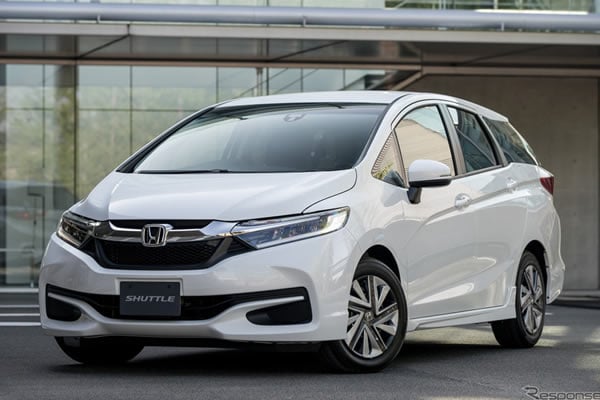
How to Buy Quality Used Cars Affordably
Buying a used car can be an excellent way to save money while still obtaining a reliable vehicle. However, it requires careful planning and informed decision-making to ensure that you get the best deal without compromising on quality. This guide will walk you through the essential steps to buy a quality used car affordably, covering key considerations and strategies.
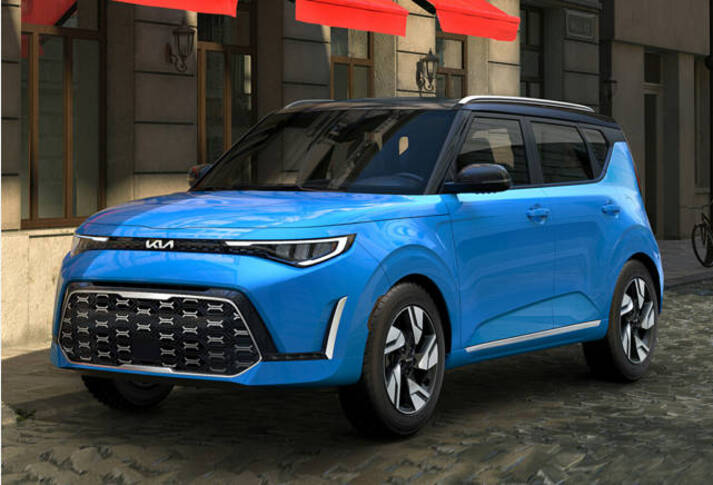
Choosing the Perfect Economical SUV for the Elderly
Selecting an economical SUV for seniors involves considering affordability, comfort, and safety. This guide offers valuable tips to help older adults find their ideal vehicle.

How to Buy a Camaro on Sale: Expert Guide
This guide explains how to research, compare, and purchase a Chevrolet Camaro on sale using reputable online car marketplaces. In objective terms, “Camaro” refers to a long-running American performance model whose pricing varies by trim, model year, condition, and demand. Consumers typically compare inventory across dealers, certify vehicle history, and verify total out-the-door costs before committing.

Driving into the Future: Electric Cars for Seniors and Their Benefits
In today's world, electric cars offer seniors numerous benefits. This guide provides advice and tips to help seniors transition to electric vehicles seamlessly.

Maximizing Medicare Benefits for Senior Mobility Scooter Users
As the population ages, the importance of ensuring senior citizens retain mobility and independence becomes increasingly critical. For many seniors who have limited mobility, mobility scooters serve as a vital tool for enhancing quality of life. However, understanding how to maximize Medicare benefits for mobility scooter usage can be complex. This article aims to provide an overview of how seniors can navigate Medicare provisions to make the most of their mobility assistance devices.
