This guide explains how LSAC.org resources support applicants’ end-to-end admissions preparation and document planning. It provides objective background on what LSAC-based tools typically cover, how candidates use credential evaluation workflows, and why structured timelines matter. The article also outlines conditions for using services, compares common preparation routes, and answers frequent questions for a confident next step.

If you’re preparing for a graduate-level law admissions cycle, LSAC.org is commonly used as a central starting point for organizing key steps—especially where credential records and application-ready documentation need to be assembled with care. The very effective approach is to treat LSAC-oriented planning as a workflow: gather academic records early, track deadlines methodically, and confirm every entry is consistent before submission. In practice, applicants who succeed tend to move from “information gathering” to “document verification” to “application polish,” without rushing any single stage.
While many candidates focus on test dates and personal statements, the operational side—accuracy of academic records, timing of evaluations, and clarity of what the application system expects—often determines whether an application arrives intact. Therefore, the safest strategy is to plan around the service requirements and the rhythm of the admissions calendar rather than around last-minute convenience.
Think about admissions readiness as an interlocking system rather than a checklist. You can be writing a strong personal statement and still lose time if your academic record pipeline is behind schedule. Conversely, you can have perfect administrative submissions but experience stress during later edits if you didn’t build a buffer for verification cycles. LSAC-style planning helps applicants reduce this system-level risk by emphasizing ordered steps, account-based tracking, and consistency checks.
Another practical point is that “readiness” is not only about whether you can submit an application, but whether you can submit it with confidence. That confidence typically comes from seeing stable statuses in the system, receiving updates when something changes, and knowing what to do if something is incomplete. For many applicants, LSAC.org becomes the hub that supports that confidence because it provides visibility into the record preparation and submission expectations.
When people mention Lsac.org, they are usually referring to the official organization’s online resources and portals used to support law school admission tasks. Although individual offerings can evolve by cycle, the core expectation is stable: candidates should rely on the organization’s guidance for the correct preparation sequence and for ensuring that academic information is handled appropriately.
From an objective standpoint, applicants generally use such platforms to:
Because admission systems are sensitive to detail, small inconsistencies can become preventable friction. A careful candidate builds redundancy: they check their data early, keep documentation organized, and confirm that every piece of their file corresponds to what the law school expects.
It’s also worth noting that applicants often mean different things by the same term depending on their point in the process. For a first-time applicant, LSAC.org may be the place to learn the “map” of the admissions workflow. For a returning applicant, it may be where they confirm what changed from the previous cycle, update account details, and ensure any previously submitted components are still aligned with this year’s requirements.
In both cases, the platform functions less like a single task tool and more like an operations environment. That matters because many problems in law admissions are operational rather than substantive: the wrong transcript delivery method, a delayed credential evaluation, an identity field mismatch, or a missing entry that prompts later correction. When applicants treat the platform as an operations environment, they become less likely to encounter “surprise” issues late in the cycle.
Finally, applicants sometimes conflate LSAC.org with the law school application system itself. While both are connected in the sense that law schools evaluate what gets delivered, the applicant’s job is to ensure that the inputs that flow from the credential/document pipeline into the application workflow are accurate and complete. LSAC-style tools typically exist to support the credential/document portion and the coordination between record processing and application submission.
In legal admissions, the calendar is unforgiving. Even when an applicant is academically prepared, administrative timing can affect outcomes—especially if records arrive late or if there are mismatches that require correction. The very reliable planning principle is simple: start earlier than you think you need to, because processing and verification steps can take longer than candidates anticipate.
Instead of waiting until the “final editing moment,” use a staged approach:
This workflow aligns with typical service design: it reduces the chances that a missing transcript or an inconsistent identity field forces last-minute changes.
A structured timeline also helps applicants handle uncertainty. Many candidates have questions that cannot be answered immediately—questions like “Will the registrar be able to deliver this quickly?” or “How long does record processing typically take for my situation?” Even when you cannot get an exact answer, you can plan with buffers: you initiate requests early, you confirm receipt/processing steps, and you monitor statuses so you can make adjustments without panic.
There is also a behavioral reason timelines matter. When you compress tasks, you tend to rely on assumptions (“it’s probably okay”) rather than on evidence (“it’s been processed and shows as complete”). LSAC-style organization encourages evidence-based progression. Each stage provides signals—statuses, confirmations, or documentation steps—that you can use to decide what to do next.
In addition, admissions cycles often include periods of high volume when schools receive many applications. Even if your records are processed correctly, delays in downstream steps can occur. Starting earlier gives you room for these systemic realities. It’s not simply a matter of speed; it’s a matter of flexibility. If something goes wrong, you want the ability to recover without missing a decision window.
Professional admissions counseling often emphasizes “data hygiene.” For LSAC-style processes, that means confirming:
These checks are not just administrative—they affect how reliably an application can be evaluated. When applicants treat documentation as a first-class priority, they spend less time correcting avoidable issues and more time refining the substantive elements of their applications.
To make “data hygiene” concrete, consider how identity mismatches often happen in real life. A transcript might reflect a middle name that your application account does not include. A transcript might include a former last name due to marriage or legal name change. A registrar might abbreviate a first name while your account lists it in full. Each of these is usually fixable, but the risk is time: fixes sometimes require additional steps, re-requests, or manual review.
Another common issue involves academic history complexity. Transfer students, dual-degree candidates, or applicants who took coursework at multiple institutions can face gaps or duplicate entries if the record pipeline is not carefully coordinated. Verification steps are designed to catch these issues before submission so the application arrives in the intended form.
Also consider the human factor: transcripts can be delayed due to registrar backlogs, hold orders, or missing graduation paperwork. You can mitigate this by initiating requests earlier and maintaining organized documentation of what you requested, when you requested it, and what delivery/processing method was used. Even if you never need to “prove” your steps later, having this information reduces stress and accelerates troubleshooting if something is flagged.
Status tracking matters because it transforms your job from reactive to proactive. Rather than waiting for an issue to appear in an email later, you can monitor the system so that if a record is still pending or incomplete, you know early enough to take corrective action.
You may encounter references to price information while researching admission services. However, because fees can change by cycle and may vary by candidate situation, the very objective way to budget is to confirm current pricing on the relevant official pages and then plan for potential add-ons (such as additional reporting, extra credential processing, or additional delivery steps). If your research includes any “quote-like” figures from unofficial sources, treat them cautiously and verify before committing.
As a general budgeting method, candidates should:
This approach avoids reliance on outdated figures and supports responsible planning.
Budgeting for law school admissions is often more complicated than it appears at first. Even if you know the “core” fees, you may incur additional expenses related to transcript requests, document reproduction, courier or mailing options, or administrative processing for complex academic histories. While those may not be universal, the point of a buffer is to ensure you are not caught off guard.
It is also important to budget for time, not only money. When records are delayed, applicants often experience stress-related costs such as paying for rushed services, purchasing additional travel to submit documents, or spending more hours than expected correcting mismatches. Responsible budgeting includes contingency time.
Another cost-related dimension is the opportunity cost of rework. If you submit an application and later discover a mismatch in identity or academic reporting, you may need to adjust documents, update statuses, or address an administrative request. Those steps can take time and can sometimes create additional fees depending on the situation. That is why fee budgeting and document hygiene overlap: both aim to prevent costly rework.
If you are considering multiple cycles (for example, applying this year but keeping the option to reapply later), you should build a budget for “iteration.” Some applicants treat the first cycle as a learning cycle and end up needing to repeat some operational steps. Having a realistic cost plan helps you make strategic decisions about which steps to initiate this year and which to defer.
Admissions workflows often involve multiple parties: universities that issue transcripts, credential processing steps that consolidate records, and admissions offices that interpret submitted information. In practical terms, the “supplier” relationship is top understood as a chain of custody.
From an industry-expert perspective, the very important principle is clarity:
When candidates keep this structure in mind, they can better manage expectations about who controls what timeline. This also helps when you need to troubleshoot: if a record is delayed, you know whether the likely responsibility lies with issuance timing or with processing status.
One of the most frustrating applicant experiences is “finger-pointing,” where it’s unclear who is responsible for a missing component. While you may not control the other parties directly, you can control your own process by tracking where the breakdown occurs. For example, if a transcript request was placed with a registrar but no delivery status appears, the issue may originate with issuance or delivery. If delivery is confirmed but processing appears delayed, the issue likely lies within the processing pipeline.
Clarity about roles also helps you avoid wasteful actions. If you resend documents too early or in the wrong form, you might create confusion or duplicate records. Better is to follow the platform’s instructions and use status tracking to determine whether you need to take action. This is where LSAC-style workflows can be especially valuable: they provide an operational view that helps you act in the right stage rather than reacting to a problem without diagnosis.
In addition, understanding roles can help with communication strategy. If a registrar requires a specific form, you can request it with the right details. If the processing pipeline requires specific identifiers, you can ensure your identifiers match. If a law school needs additional clarification after receiving your file, you can respond quickly with the documented context.
For some candidates—especially those studying abroad, those with multiple institutions, or those who experienced name changes—this supplier clarity is not optional. Without it, small operational differences can snowball into long delays. A chain-of-custody mindset turns confusion into manageable steps.
If your planning depends on local logistics—such as how quickly transcripts can be requested, how documents are delivered, or whether you must coordinate with specific registrars—focus on practical timing. For applicants who are targeting schools in a “nearby” area, it’s still essential to align with the admissions calendar rather than local convenience. In many regions, academic offices run on their own administrative timetables, so “nearby” does not automatically mean “fast.”
Cultural nuance also matters: some applicants may be used to informal document sharing or to alternate proof formats. In admissions workflows, officials typically require specific document standards, so it’s wise to follow the prescribed method indicated in LSAC-style guidance even if you believe you could provide an alternative document format.
Localization affects not only speed but also process differences. Some registrars may have different operating hours, different approaches to transcript holds, different verification requirements, or different procedures for former students. Even if two schools are geographically close, their internal administrative processes may be very different.
If you’re relying on mailing or courier services, consider that processing is not just the time the document travels; it is also the time it takes for the receiving office to open, log, and incorporate the document into the credential pipeline. Those internal receiving steps can vary widely. Planning for delays reduces the risk of a document being “on the way” but not yet visible in your status tracking.
Another localization issue is holiday scheduling. Schools, registrars, and processing offices often pause operations around major holidays. Applicants sometimes schedule transcript requests without accounting for these closures, leading to avoidable delays. A mature timeline includes these gaps so that your requests land before closures rather than after.
Finally, if you have to coordinate with multiple institutions across different regions, you need to be careful about the “first mover advantage.” If one institution processes slowly, the rest of your timeline may become dependent on it. A good admissions workflow recognizes these dependencies early and builds buffers accordingly.
The table below compares common preparation routes and the conditions/requirements applicants should evaluate. (No links are included.)
| Route / Approach | What it emphasizes | Typical conditions & requirements | When it’s a good fit |
|---|---|---|---|
| LSAC-centered workflow planning | Using an admissions portal workflow to organize records and application readiness | Accurate identity fields; confirmation of record-request steps; tracking of processing status; adherence to current-cycle instructions | Applicants who want administrative consistency and a repeatable process |
| Institution-first transcript coordination | Starting directly with your registrar/degree office for records | Registrar timelines; official delivery method; ability to match records to your admissions profile | Candidates who need to resolve issues with transcripts or degree verification early |
| Timeline-first application sprint | Backward planning from deadlines; aligning records, statements, and submissions | Hard deadline discipline; buffer for processing delays; readiness to revise if any record status changes | Applicants with strong organization skills and clear deadline targets |
| Hybrid verification-heavy strategy | Multiple checks for consistency across documents and profile entries | Time to review; access to academic documents; ability to request corrections if mismatches occur | Applicants with transfer credits, multiple names, or complex academic histories |
The following guide is a practical, step-by-step workflow. It is written to be objective and adaptable across cycles, since specific steps can vary by candidate status and current instructions.
The steps above outline the high-level flow, but many applicants benefit from operational detail—especially those with transfer coursework, multiple names, or gaps in institutional records. Below are expanded, practical considerations that fit naturally within an LSAC-style workflow mindset. The goal is not to invent new requirements, but to help you execute the requirements you already have with fewer mistakes.
Account creation is the foundation. If an identity field is wrong early, it can reverberate through the record pipeline. Identity stability includes:
Applicants often treat this as a “one-time setup” step. But in practice, it is a risk-control step. The best workflow makes sure that when documents arrive, they can be confidently linked to your account without manual intervention.
Official guidance can be dense. Applicants sometimes miss details because they read instructions passively. A better approach is to convert each instruction into a controllable checklist. For example:
This conversion turns guidance into actionable work. It also helps you manage multiple institutions: you know exactly what you asked each institution to do and what you expected to see afterward.
Even when you know a nominal lead time, real processing can vary. To manage this, build a “lead time uncertainty” buffer into your plan. Practical examples include:
The best method is to avoid a single-date dependency. Instead, aim to have the required pipeline initiated well before your application submission. Then monitor status so you can detect whether a buffer is being consumed faster than expected.
Not every applicant has special circumstances, but many do: international study, transfer credits, nonstandard degree pathways, or documented name changes. For these candidates, early document collection reduces risk.
What “supporting documents” means in practice depends on the official requirements, but common operational themes include:
This creates an evidence trail that can be valuable if a processing step is delayed or if you need to clarify a mismatch.
Many applicants do a single verification pass right before submission. That is often too late for meaningful correction. Instead, use multiple passes:
Multiple passes create resilience. If you find an error early, you still have time to fix it. If you find an error later, you may still be able to respond quickly depending on status and timelines.
Applicants sometimes treat status tracking as passive observation (“I’ll look every few days”). In a high-quality workflow, statuses are interpreted as signals with next steps. For example:
This signal-based interpretation reduces the risk of missing a problem until it becomes urgent.
Admissions deadlines often have different layers: submission deadlines, record processing deadlines, and downstream receipt windows. Applicants sometimes assume that as long as they submit by date X, everything will be fine. In practice, record readiness may need to be achieved earlier.
A better approach is deadline coordination in layers:
When you set these layered deadlines, you can create a realistic plan that accounts for operational uncertainty.
Many applicants delay personal statement writing until administrative tasks are done. A more balanced approach is to start substantive work while administrative steps are processing. This yields two benefits:
However, substantive work should not distract from administrative verification. The best workflow splits attention: administrative steps continue on a calendar; writing and polishing continue as separate, dedicated blocks.
Resumes, personal statements, and school-specific essays can be revised multiple times. Meanwhile, administrative components like record processing cannot usually be rushed in the same way. So a practical strategy is to prioritize administrative readiness for the operational pipeline and treat substantive materials as a controlled schedule of drafting and refinement.
Final submission checks should focus on system-visible evidence. Applicants can be certain they requested all transcripts and that their name matches—but they may still discover that a component is pending or marked incomplete. The key is to confirm what the system shows at the moment you submit.
During the final check, verify:
This final check is not about redoing the entire process; it’s about confirming that your application is administratively viable.
After submission, applicants sometimes relax too early. But if a law school requests clarification, your ability to respond quickly can matter. Post-submission readiness includes:
Having a response plan reduces stress and makes you more effective if you need to troubleshoot. It also keeps you from making hurried corrections that could introduce new inconsistencies.
The structure of LSAC-style preparation workflows reflects a broader administrative reality: admissions decisions require consistent, standardized information. When documents are processed through a defined pipeline, it reduces the variability caused by different formatting styles from institutions. Standardization improves reliability for evaluators and supports fairness across candidates.
However, standardization introduces its own responsibilities for applicants: you must ensure your inputs are correct and that academic record pipelines are initiated early enough to meet submission timing. The result is a system where discipline—especially around documentation—becomes a competitive advantage.
There is also a transparency dimension. Applicants benefit when they can see what’s happening to their documents. Without account-based status visibility, applicants would depend on law school requests or external communications to learn whether a record component has arrived. That would increase uncertainty and create more late-stage problems. The persistence of these workflows is partly due to the operational benefit: they reduce uncertainty and streamline coordination across multiple parties.
Another reason these workflows persist is that admissions offices need to manage large volumes of applications. Standardized record processing allows admissions committees to interpret academic information more reliably. This helps ensure that evaluation is not dependent on arbitrary formatting differences or incomplete record structure.
When applicants understand this context, they are more likely to respect the workflow steps and the operational “rules of the road.” They treat record readiness as part of the application quality, not a separate chore.
Even when candidates know the steps, certain predictable mistakes happen. The value of a structured workflow is that it catches many of these mistakes early or prevents them from becoming urgent.
Some applicants postpone record requests until they feel “ready” to apply. But administrative processing is not aligned with personal motivation; it is aligned with institutional schedules and pipeline processing volumes. LSAC-style workflows help because they encourage initiating record actions early and monitoring status.
Applicants sometimes believe that if there’s an error, it can be corrected after submission without consequences. While some corrections are possible, the operational reality is that your ability to correct depends on the timing and the status of the record pipeline. Preventive verification is more reliable than corrective action under deadline pressure.
A name mismatch can appear minor, but it can cause record linking problems. A structured workflow with identity consistency checks prevents this by requiring early alignment and by prompting you to confirm data before submission.
Some candidates check status infrequently. If a component becomes pending or incomplete, the candidate may not learn until a deadline has passed. A good workflow defines a routine checking cadence (for example, weekly during active processing periods, and more frequently near deadlines) and uses statuses to drive next steps.
When administrative work is delayed, it can steal time and emotional energy from writing. A workflow that runs administrative and substantive tasks in parallel—with appropriate buffers—reduces the chance that delays derail your personal statement and essay drafting.
Applicants often separate “administrative work” (records, forms, processing) from “substantive work” (essays, resume, recommendations). In reality, they influence each other. LSAC-style planning helps you integrate them by creating a coherent timeline.
School selection is also tied to readiness. If you apply to many schools early, you need administrative components to be stable. If you plan to apply in waves, you can use administrative readiness as the gating factor. For example, if you observe that record processing is complete or nearing completion, you can time your application submission waves accordingly.
Resumes and substantive materials also benefit from a schedule. When your administrative pipeline is active, you can draft resume bullet points, refine your personal statement narrative, and plan school-specific essays. But you should keep revision cycles realistic. The operational pipeline should not be dependent on the writing schedule; the writing schedule should accommodate the operational pipeline timeline.
In practice, a balanced schedule might look like:
This integration reduces the risk that administrative delays will force rushed substantive edits or make you miss application opportunities due to timing constraints.
Not every applicant needs a strictly LSAC-centered planning approach, though many do. The best strategy depends on your circumstances and your strengths.
Use an LSAC-centered workflow planning approach if:
Use an institution-first transcript coordination approach if:
Use a timeline-first application sprint approach if:
Use a hybrid verification-heavy strategy if:
This framework matters because admissions readiness is personal. It is not one size fits all. But LSAC-style workflow thinking—organized, evidence-based, and status-informed—often remains valuable across all variants.
LSAC.org is commonly used to access official resources and account-based tools that help applicants prepare their admissions documentation workflow, understand requirements, and track status. Candidates use these resources to organize academic records and ensure their files meet application expectations.
Starting early is strongly recommended. Processing and verification steps—especially around academic records—can take time due to institutional schedules. A practical strategy is to begin as soon as you can confirm your timeline for applying and before registrars need to process transcript requests.
Yes. Pricing can differ depending on cycle updates and candidate-specific circumstances. For responsible budgeting, confirm current fee schedules directly through official resources for the relevant cycle, then plan for potential add-on steps that may apply to your situation.
The very frequent causes include transcript delivery timing, mismatched name or identity details, incomplete records, and not accounting for processing lead times. A verification-focused workflow can significantly reduce these risks.
Local proximity can make logistics easier, but it does not usually change official documentation requirements or processing instructions. Your administrative readiness still depends on how academic records are issued and processed through the prescribed pipeline.
In many systems, errors can sometimes be corrected or clarified, but outcomes depend on timing and the status of your documentation within the pipeline. The top approach is to prevent issues through careful verification before submission and to track status so you can address problems quickly.
Think in terms of custody and authority: your university issues official records; the admissions workflow service processes and consolidates records according to its requirements; law schools evaluate what is delivered. When troubleshooting delays, identify which stage is responsible based on the status you observe and the instructions provided.
Use official guidance associated with the admissions workflow and the relevant admissions cycle. Avoid relying solely on unofficial summaries because requirements and fees can change. When possible, verify any fee or policy statement directly through official resources.
A practical way to decide is to treat administrative readiness as a gating factor. If record processing is not initiated or is at risk of being delayed, prioritize operational steps to protect your submission timeline. If administrative actions are already initiated and you can see stable progress in status tracking, you can then invest more time in writing, because you’re less likely to be forced into last-minute administrative corrections.
First, confirm the mismatch carefully: what exactly is different (spelling, date, course title, or institution mapping). Then review the status in the platform to identify the likely stage where the discrepancy is being handled. Finally, follow the official instructions for corrections or clarification as quickly as possible. Late discovery does not guarantee failure, but it increases pressure, so you should act based on evidence and system status rather than speculation.
Tracking helps you reduce unnecessary contact because you can monitor the pipeline’s progress. However, if a school explicitly requests clarification, you should respond promptly. The purpose of tracking is to make you informed and ready; it does not replace school communication when schools ask for action.
Use a structured file system (digital folders and/or printed copies) organized by institution and by document type. Keep screenshots or PDFs of key confirmations (requests, deliveries, and status updates). This makes it easier to respond to verification questions and to trace when any discrepancy started.
For policy details, fee schedules, and operational requirements, candidates should consult the official documentation for the relevant admissions cycle. For broader context about how standardized credential processes support fairness and reliability in admissions systems, applicants can also review research and reporting from recognized education and admissions research organizations, as well as official policy publications from testing and credentialing bodies. (Always verify any specific statements against the latest cycle guidance.)
Content integrity reminder: This article avoids unverifiable pricing claims and does not present contested performance statistics. Where decisions depend on current requirements, the recommended method is to confirm the latest instructions through official sources during your application cycle.
Because admissions environments can change from one cycle to the next—including deadlines, operational details, and document handling expectations—responsible planning involves checking official guidance periodically. Many applicants make the mistake of relying on last year’s notes. Even when the general workflow is similar, small differences can create real operational impacts.
To translate planning into momentum, start by mapping your timeline to the administrative workflow—then verify your record inputs and track status rather than relying on assumptions. If you use Lsac.org (and related official resources) as the organizing backbone for your application readiness, you reduce avoidable errors and create more time for the substantive parts of your candidacy. The very reliable “next step” is always the same: confirm what the current cycle requires, initiate record steps early, and keep your data consistent through final submission.
Once you have done that, you can move forward with your application in a calmer, more evidence-based way—knowing that your administrative pipeline is aligned with your writing, your recommendation timing, and your submission schedule. That alignment is often the difference between an application that feels chaotic and an application that feels controlled, even when deadlines are approaching.
Striking the Perfect Balance: Navigating Premiums and Out-of-Pocket Expenses in Senior Insurance Plans

Explore the Tranquil Bliss of Idyllic Rural Retreats

How to Make Lasting Memories at Disneyland Attractions

Affordable Phones and Plans for Seniors

Affordable Full Mouth Dental Implants Near You

Unlock the Top Kept Secrets to Finding Your Ideal Dentist for Flawless Dental Implant Results!

Discovering Springdale Estates

Unveiling RS Sul Telecom Services

The Guide to Car Trading


Understanding Lato Sensu Education
Lato Sensu is a term used to describe a type of specialized education, typically in the context of postgraduate studies. It emphasizes a flexible, broad approach to learning compared to more narrowly defined courses. This article delves into the significance, scope, and benefits of Lato Sensu programs, particularly how they cater to professionals seeking career advancement.

Unlocking the Secrets of Wizard Lessons
Wizard Lessons offer a glimpse into the mystical world of magic, providing structured learning experiences for aspiring wizards. These lessons cover various aspects of magic, from spell casting to potion making, and are deeply rooted in both tradition and evolving magical practices. Aspiring wizards can delve into these teachings to enhance their magical prowess and understanding of the enchanted arts.

Understanding Lato Sensu Courses
Lato Sensu refers to postgraduate courses offering specialized education, often linked to practical experiences and professional enhancement. These programs emphasize advanced learning tailored to students' chosen fields, with flexible formats to accommodate diverse educational goals and local contexts. This article explores the significance, structure, and advantages of Lato Sensu programs for aspiring professionals.

Understanding Lato Sensu Education Courses
Lato sensu education courses are specialized postgraduate programs offering practical skills and knowledge in specific fields. Distinct from stricto sensu programs focusing on academic research, lato sensu courses are typically shorter and professionally oriented, making them attractive to those seeking career enhancement. This article delves into the intricacies of lato sensu education, exploring its benefits, structure, and global perspective.
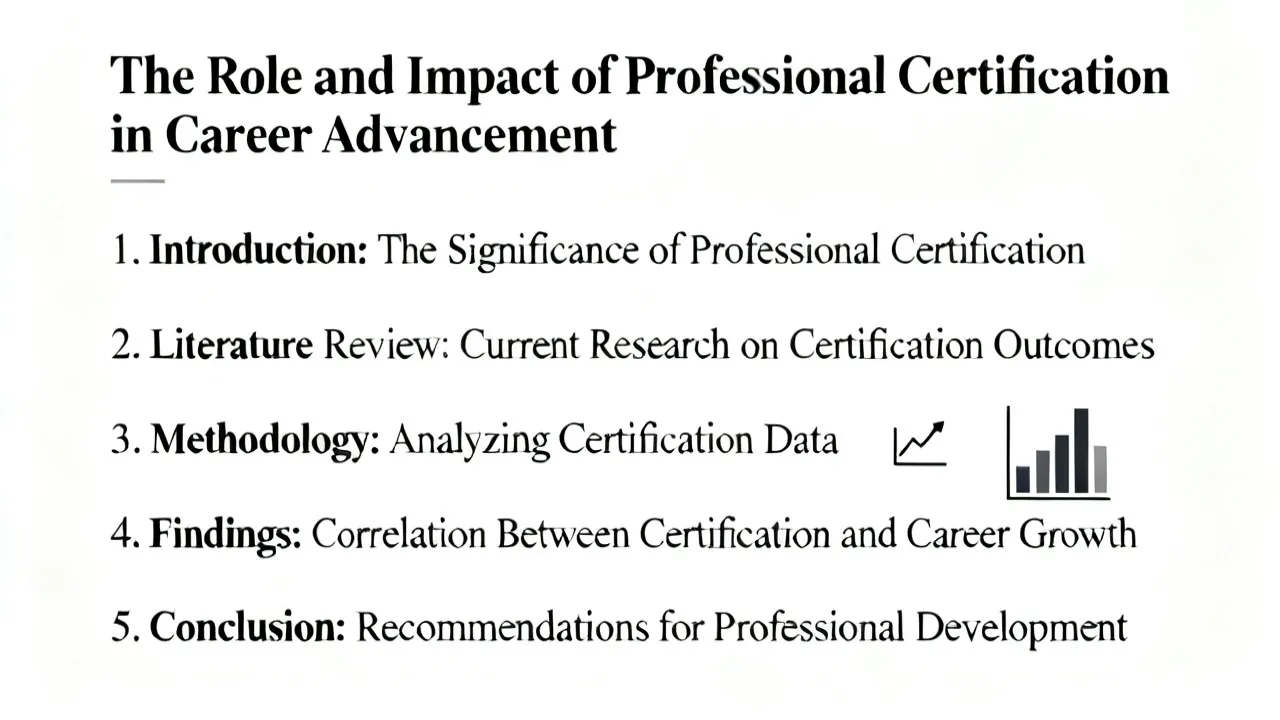
Understanding PECB AAT Certifications
This article offers an in-depth analysis of PECB AAT certifications, renowned for providing a standardized framework for auditing, assessment, and training in various professional sectors. It highlights the importance of these certifications in ensuring industry compliance and enhancing career opportunities. From certification pathways to FAQs, explore how these qualifications uphold standards and elevate expertise in their fields.

Understanding Lato Sensu Education
This guide explores the essential aspects of Lato Sensu programs, which are critical post-graduate courses focusing on specific professional skills enhancement. Typically found in Brazilian education, these programs differ from Stricto Sensu courses by emphasizing practical skills over theoretical research. The article analyzes the elements critical to choosing a Lato Sensu course, such as institution reputation, course content, and potential career outcomes.