This guide explains how to find an orthodontist for adults nearby and what to expect from adult orthodontic care—timelines, appliance options, and planning criteria. It also compares how low-cost dental implant information is commonly presented online, outlines practical steps to reduce costs in English-speaking and other regions, and summarizes typical single-implant price ranges by country for reference.
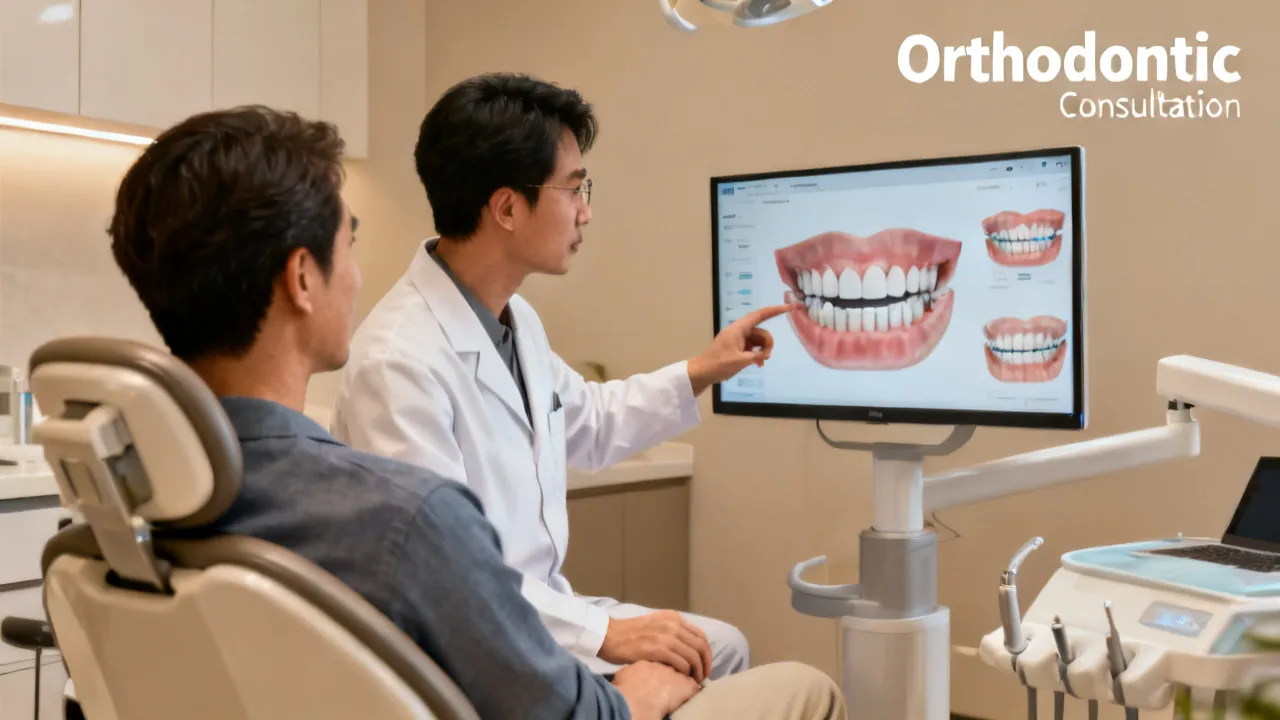
Finding an Orthodontist for Adults Near Me is often approached as a simple geographic problem—who is close, who has convenient hours, who seems reputable from a few website screenshots. But for adult patients, “nearby” should mean something more clinically meaningful: the right clinic is usually the one that can coordinate orthodontics with restorative dentistry, periodontics, and—when needed—oral surgery or implant planning. Distance matters only after you confirm that the practice can handle the specific biology and biomechanics of adult teeth.
Adult teeth don’t behave the same way adolescent teeth do. Adults generally have a longer history of dental work, tooth wear, gum recession, and sometimes missing teeth. They also tend to have more complex bite mechanics and may experience or be at risk for temporomandibular joint (TMJ) discomfort. That means the best “nearby” orthodontic practice is the one that builds treatment around: (1) your current gum and bone support, (2) the exact position and shape of your teeth and roots, (3) existing restorations such as crowns and bridges, and (4) your long-term stability plan (retention). In other words, the right clinic is the one that can make an adult plan that is realistic, safe, and designed for outcomes over years—not just months.
Before you commit to treatment, you should expect a structured evaluation, an evidence-based plan, transparent communication about risks and alternatives, and a retention strategy that is clearly stated and not treated as an afterthought. The appointment process itself is part of the quality signal: does the orthodontist take enough time to document your condition and discuss your priorities, or do they move quickly into appliance recommendations without a detailed adult-focused diagnostic conversation?
In practical terms, a good “nearby” orthodontic practice for adults should provide: (1) diagnostic imaging and records appropriate for adults (not just standard photos), (2) a treatment plan that accounts for gum health, root position, and bite forces, (3) appliance selection aligned with your goals (alignment, functional bite, or both), and (4) follow-up and retention planning designed for adult relapse risk. Many adult cases also require collaboration with specialists in restorative dentistry or implants—especially when missing teeth, failing restorations, or reduced bone support influence tooth movement and occlusion.
So when you search, do not only ask “How far is the office?” Ask “How well does the office integrate orthodontics with the rest of adult dental care?” That’s the kind of distance—clinical capability—that really matters for adult orthodontics.
Adult orthodontic treatment often follows a different logic than teen orthodontics. Teen orthodontics is often about guiding growth and correcting developing bite relationships; adult orthodontics is frequently about managing stable anatomy and working within the constraints of existing tooth structure, dental restorations, periodontal health, and functional demands.
Adults may present with one or more of the following:
Because adult patients typically have longer-term dental histories, a thorough intake matters more. The “records first” philosophy isn’t bureaucratic; it’s what enables predictable mechanics and safer movement. Industry-standard orthodontic planning is built around documented records—often including digital scans, photos, and radiographs—used to model tooth movement, evaluate roots, and design retention. This is why adult-focused orthodontists typically emphasize consultation quality rather than advertising alone.
Adults also experience different practical constraints. Many adults cannot easily attend frequent appointments, may have work travel, and may be responsible for family obligations. A quality adult orthodontist acknowledges those realities and builds a schedule that is doable while still maintaining clinical monitoring. That balance—safety plus feasibility—is another reason “nearby” should mean more than proximity.
Another adult-specific reality is that orthodontics often intersects with “finish work.” Even if the main orthodontic objective is alignment, adults may eventually require refinements such as contouring, whitening, bite rebalancing, or restorative adjustments. A good orthodontist helps you understand the sequence and the division of responsibilities between orthodontics and restorative dentistry so that you’re not surprised by additional treatment steps later.
When you look for an Orthodontist for Adults Near Me, treat the appointment like a clinical decision—not a sales conversation. You want to verify whether the practice can handle adult-specific complexity. The easiest way to do this is to identify what you should expect at a competent adult consultation and then compare what the clinic actually does.
Below are key areas to verify. If the practice answers clearly, documents thoroughly, and communicates risk and alternatives honestly, that’s a strong sign you’re looking at adult-competent orthodontic care. If the answers are vague, rushed, or promotional in tone, consider it a warning—even if the office is close to your home.
Adult orthodontics should start with diagnostics that evaluate both teeth and supporting tissues. Before active treatment, a serious adult orthodontist typically performs periodontal screening, assesses bite relationships, and uses imaging to evaluate root position and bone levels.
You should also look for documentation habits: Do they take standardized photos? Do they discuss measurements rather than simply “showing you your teeth”? Do they explain what their records mean—such as what movement is planned and what is being avoided? Good clinicians translate diagnostics into mechanics and safety decisions.
Adults commonly choose among conventional braces, ceramic braces, and clear aligners. The right option depends on the complexity of movement, esthetic priorities, and whether attachments or auxiliaries are required.
When discussing options, you should hear more than “We can do invisalign or braces.” A competent adult orthodontist explains why a specific approach fits your biomechanics, gum health, and lifestyle. They also discuss what would happen if the first plan doesn’t achieve the expected results—such as refinement strategies or alternative mechanics.
Adults should also ask about bite mechanics. Alignment alone is rarely the whole story; your bite determines comfort, wear patterns, and long-term stability. The orthodontist should address how they will manage overjet/overbite, crossbites, midline shifts, and contact relationships.
Retention is critical for adults because relapse can occur if periodontal conditions or bite mechanics change without a stable maintenance phase. Teeth can drift when functional forces change, even if the active phase ends perfectly.
Ask how retention will be designed for your case—removable retainers, fixed retainers, or a combination—and how the practice supports monitoring. For adult patients, retention planning should be framed as part of the treatment outcome, not an optional add-on.
Good retention discussions include:
Because adults may be more likely to have variable bite contact patterns, retention often needs to be monitored with the same seriousness as the original alignment. A clinic that treats retention casually may produce results that “look good” initially but drift later.
Many adult orthodontic patients need restorative coordination. If you have gaps or failing teeth, your orthodontist may work alongside specialists. Even when the orthodontist is not providing implant surgery, they should understand implant timing and orthodontic space planning. For example, they should know how tooth movement may affect where an implant should be placed, and they should help avoid rework—situations where orthodontics ends up requiring changes after restorative or implant procedures.
While this guide focuses on orthodontic selection, it is still relevant to understand the broader context of adult dental care. A reliable orthodontic practice often has referral relationships and communication processes with periodontists, restorative dentists, and oral surgeons. That coordination can be as important as appliance choice.
Additionally, adult orthodontics depends on dental hygiene. Your clinic should discuss plaque control and periodontal maintenance. Some adult patients require hygiene coordination or periodontal treatment prior to active orthodontic movement. A clinic that cannot coordinate with dental hygiene providers may struggle to support long-term success.
It is normal to consider budgets. Orthodontics can be expensive, and adults often already carry the cost burden of restorative care. However, orthodontic outcomes depend on diagnosis, mechanics, monitoring, and retention—not only on initial fees.
A “low-cost” approach that underinvests in records, follow-up, or retention design can create hidden costs later. Those hidden costs can include additional appointments, refinements, longer overall treatment time, and restorative correction if bite contacts or tooth positions require later adjustments.
It helps to think in terms of “total treatment value.” A lower initial price may not be lower value if it increases the likelihood of complication or relapse. Adults are particularly sensitive to relapse risk because they may have periodontal changes over time and because functional occlusion is essential for comfort and wear management.
Online resources about low-cost options can be helpful for understanding cost structures, but pricing should be approached as an estimate until you receive a personalized examination. In addition, beware of low-cost framing that implies outcomes are identical across different case complexities. A straightforward case and a complex adult case may have very different diagnostic needs and retention demands.
When reviewing low-cost information about implants, for example, you may see different treatment categories (single implant, multiple implants, immediate placement, bone grafting). Those categories materially affect total cost. “Low cost” should be interpreted carefully, because it may reflect a simplified scenario or may exclude procedures that your case might require.
This same principle applies to orthodontics: the “price” is influenced by records, appliance complexity, frequency of monitoring, refinement policies, and retention design. A truly responsible low-cost strategy focuses on affordability without sacrificing the clinical steps that determine outcome quality.
The following table compares how several websites present information relevant to low-cost dental implants (for cost education and planning context). It is informational only; it does not represent clinic offers. The purpose of including this comparison in an orthodontic context is to highlight a broader patient pattern: websites often frame “low cost” differently, emphasizing different procedural angles or affordability narratives. When you adopt a “low-cost mindset,” you should still insist on clinical completeness and transparency with your own provider.
| Website | What it emphasizes |
|---|---|
| dentalviews.com | Low-cost implant education; treatment benefits, types of procedures, and cost-related FAQs |
| atlanticdentalgrp.com | Clinic service overview across cleaning, orthodontics, implants, and scheduling/locations |
| dentavacation.com | Dental tourism framing; cost comparisons and travel planning for affordability |
| rockvilledentalarts.com (ADHP-linked content) | Dental insurance coverage guidance and how to use plans to reduce expenses |
source: [www.dentalviews.com](https://dentalviews.com/low-cost-dental-implants/)
source: [www.atlanticdentalgrp.com](https://www.atlanticdentalgrp.com/)
source: [www.dentavacation.com](https://www.dentavacation.com/)
source: [www.rockvilledentalarts.com](https://rockvilledentalarts.com/es/)
Even though your primary search is for an Orthodontist for Adults Near Me, many adults eventually ask about implants—especially when tooth replacement is needed before or during orthodontic finishing. Orthodontics and implants may overlap in timing: alignment can create space and bite conditions for implant placement, while implant placement can influence how nearby teeth are aligned.
Below is a step-by-step approach to lower implant costs in English-speaking and other {lang}-speaking regions, based on common patterns reflected across reputable informational sources and typical dental tourism/insurance practices. Keep in mind that “low cost” does not automatically mean “low risk.” Implant success depends on bone quantity/quality, surgical technique, prosthetic fit, and long-term maintenance. Low cost strategies should still prioritize clinical completeness and appropriate follow-up.
A common reason implant costs rise is that the first quote assumed a simpler case than your actual anatomy requires. A medically grounded diagnosis prevents that mismatch.
If your plan includes extraction and implants, ask whether extractions are timed with orthodontic goals. For adult orthodontic patients, sequencing can prevent rework. If orthodontics is moving teeth into space that will later need an implant, the orthodontist and implant team should coordinate on timing and space dimensions.
Low cost often comes from understanding where costs concentrate. Many clinics present a lump sum that hides which procedures are included. Request line-item estimates covering: surgical components, implant/fixture, abutments, crowns/prosthetics, imaging, and follow-ups.
When you request line-item estimates, also ask what is included in “follow-ups.” Some quotes include standard checks; others may not cover restorative adjustments, bite adjustments, or additional visits if complications occur. In orthodontic planning, the analogy is obvious: ask what’s included in appliance adjustments, refinements, and retention. If the implant quote is similarly incomplete, your budget may be inaccurate.
Important questions include:
Common affordability approaches include:
To compare options responsibly, you should compare apples-to-apples. Ask for comparable imaging, the same prosthetic type, and comparable follow-up intervals. If one option is cheaper because it excludes bone grafting, that isn’t a fair comparison unless that exclusion is clinically appropriate for you.
Across English-speaking and Spanish/Portuguese-speaking markets, online resources often tailor guidance to local language communities—helping patients understand implant basics, dental coverage, and clinic services. For example:
Using region-specific resources can improve informed consent and communication. If you’re coordinating orthodontic and implant plans, language clarity matters because miscommunication about timing, symptoms, or aftercare can lead to delays and extra costs.
Implants require follow-up. For any low-cost path—local or cross-border—ask who manages:
Also ask about what happens if you experience pain, swelling, or delayed healing. A clinic’s aftercare plan is often where quality shows up. A “cheap” implant with inadequate aftercare access can become an expensive problem over time.
For adults, orthodontics can affect implant timing because tooth position and bite alignment may influence where an implant should be placed. A coordinated plan helps prevent rework—an issue that can erase “savings” from low-cost pricing.
Sequencing questions you can ask include:
The best coordination is usually proactive: orthodontists and implant providers share information about planned movements and prosthetic requirements so that implant placement occurs where it will actually match the planned tooth position and bite contacts.
Below are single implant reference ranges, shown for clarity by country. These values are intended to help you budget for consultation discussions, not to predict your personal quote. (Actual pricing changes with bone condition, prosthetic type, clinic overhead, and whether additional procedures are required.)
| Country | Currency | Price range (single implant) |
|---|---|---|
| United States | USD | $3,000 - $6,000 |
| United Kingdom | GBP | £2,000 - £2,500 |
| Australia | AUD | AU$3,500 - AU$6,500 |
| Canada | CAD | CA$3,000 - CA$5,500 |
| Spain | EUR | €1,500 - €2,500 |
| Chile | CLP | CLP$800,000 - CLP$1,500,000 |
| Mexico | MXN | $15,000 - $25,000 |
| Colombia | COP | $2,000,000 - $4,000,000 |
| Peru | PEN | S/ 3,000 - S/ 6,000 |
| Argentina | ARS | $80,000 - $150,000 |
| Brazil | BRL | R$3,000 - R$8,000 |
| Portugal | EUR | €1,000 - €2,000 |
| Germany | EUR | €2,000 - €3,500 |
| France | EUR | €1,500 - €2,500 |
| Italy | EUR | €1,500 - €3,000 |
| Japan | JPY | ¥300,000 - ¥700,000 |
When you use these reference ranges, remember the clinical reality: an implant quote can change substantially based on bone grafting needs, prosthetic type (cemented vs screw-retained), and the level of restorative complexity. If orthodontics is involved, additional timing visits or bite adjustments may also influence the total cost.
When you search for an Orthodontist for Adults Near Me across different language communities, a subtle but meaningful factor is how the clinic communicates. For adult patients, clarity reduces anxiety and improves adherence to treatment instructions. Communication also improves the safety of coordination with other dental disciplines.
Language availability is not a guarantee of clinical excellence. But it can be a practical marker: clinics that invest in understandable patient education often have better systems for explaining procedures, written instructions, and aftercare steps.
While “language availability” should not replace clinical credential checks, it can improve continuity—especially for adults managing employment constraints, family responsibilities, and multiple appointments. Continuity matters for adult outcomes because many orthodontic risks are addressed through monitoring, not luck.
Finally, consider whether the clinic provides bilingual support during consultations, offers translated consent forms, or uses interpreters consistently when needed. If your dental plan or aftercare instructions are complex, language competence becomes part of quality care.
From an industry perspective, the very valuable orthodontic consult is the one that produces an actionable plan. You should leave with: (1) a diagnostic summary, (2) proposed treatment approach, (3) likely timeline, (4) costs and payment options, (5) retention strategy, and (6) next steps for records and scheduling.
A consultation should not be limited to “Here are your options.” It should connect your unique anatomy to specific mechanics and an evidence-based plan. The consult should also address what could go wrong and how the clinic manages those risks.
In adult orthodontics, a consultation should feel more like a medical planning conversation and less like a general sales presentation. That’s why you should evaluate the consultation itself as a diagnostic tool for the provider.
In addition to these, ask about your priorities. If you care about speech comfort or invisibility at work, ask how that influences appliance choice and expected wear time. If you experience jaw discomfort, ask how their plan accounts for TMJ symptoms and whether they coordinate with a dental provider who understands occlusion-related discomfort.
Adults should receive clear explanations about appliance type and expected experience. The orthodontist should discuss practical details that affect compliance and satisfaction.
A strong adult orthodontic consultation also covers hygiene and comfort. Ask how the clinic helps adult patients maintain gum health during active treatment. They should have guidance for managing sensitivity, inflammation, and appliance-related irritations.
Choose a practice that provides adult-relevant diagnostic records, discusses risks and retention clearly, and offers a realistic plan rather than a one-size-fits-all estimate. A good clinic will explain how they evaluate gums, restorations, and bite mechanics—and they will coordinate with other dental services if needed. You should also feel comfortable asking questions without being rushed or dismissed.
Often they are, but suitability depends on your bite complexity, tooth rotations, root positioning goals, and whether attachments or elastics are required. A careful evaluation determines whether aligners can achieve your targets predictably. An adult orthodontist should also explain how they plan for relapse risk and what retention approach they recommend after aligners.
Orthodontics moves teeth within the limits of periodontal support. The risk profile depends on your periodontal health, the planned direction of movement, and monitoring frequency. Adult orthodontists should evaluate bone and gum conditions before initiating active treatment and adjust the plan as needed. Ask how they monitor root health and how they respond if periodontal status changes during treatment.
Timelines vary by complexity and appliance type. Adults often require individualized planning due to restorations, tooth wear, and gum stability. Your orthodontist should provide a range and explain what factors can extend or shorten the course—such as compliance, periodontal status, bite complexity, and whether refinements are likely.
Not always. Some adult patients begin orthodontics after missing teeth are already addressed; others have implant placement planned after alignment or bite stabilization. The need for implants depends on your dental condition, bone support, and functional goals. In coordinated care, orthodontics may prepare the space and occlusion for implants, or it may be adjusted based on implant placement considerations.
Request itemized estimates, verify whether additional procedures are included (bone grafting, imaging, prosthetic components), and compare options responsibly. If considering dental tourism, confirm aftercare responsibilities and follow-up access. Insurance guidance may also reduce out-of-pocket costs for eligible patients. The key is to avoid choosing based solely on price without confirming procedural completeness and follow-up quality.
“Low cost” can be appropriate when it reflects efficient planning and appropriate case selection. However, the top value is usually the option that meets clinical requirements while supporting good peri-implant health—particularly given that complications can increase total cost. Value is about outcomes and long-term maintenance, not just the initial invoice.
Bring a list of current medications and dental history, previous imaging if available, and questions about goals (appearance, bite comfort, timeline, and appliance preference). If you have gaps or previous implant/bridge history, mention them early. Also consider bringing information about your daily habits that may affect treatment—such as whether you can reliably wear aligners or whether you regularly grind/clench.
In adult orthodontics—and especially when it intersects with restorative or implant needs—successful outcomes rely on conditions that are not always advertised. Clinics should communicate these during consultation.
Additionally, consider whether your lifestyle supports the chosen appliance type. Aligners require consistent wear and proper cleaning; braces may require dietary modifications and additional oral hygiene care around brackets. Adult success is often determined by whether the appliance choice fits real daily behavior.
Finally, evaluate risk communication. A competent clinic discusses expected side effects and how to manage them—such as temporary discomfort, gum sensitivity, and changes in bite feel. Transparent communication is part of quality care for adult patients.
If budget is a concern, build a “total plan” view rather than a “single invoice” view. Consider:
When you ask for budget planning, ask for clarity on timeline-based payments. Some adults can manage monthly payments but struggle with large upfront costs. Clinics may offer plans or flexible terms; just ensure the plan includes all essential clinical elements.
In an industry-oriented dental planning perspective, the most sustainable approach is to ask for a treatment roadmap. When you understand sequencing—what is done first, what is monitored, and what is finalized later—you reduce the risk of unnecessary rework. Rework is not just a financial issue; it can also extend discomfort and disrupt schedules.
Roadmap examples might include: completing preliminary periodontal maintenance and oral hygiene readiness before initiating active orthodontics; aligning teeth while planning restorative modifications; transitioning to retention and monitoring relapse risk; and addressing missing teeth by timing orthodontic space preparation before implant placement or restorative replacement.
Budgeting responsibly also involves understanding the relationship between appliance choice and cost. Clear aligners may have different fee structures than braces and may involve additional refinement aligner series. Braces might require fewer refinement cycles but can have a different maintenance and appointment profile. You should ask which option is more cost-effective for your specific case rather than assuming that one category is always cheaper.
The resource links cited earlier support general educational themes around dental implants, clinic service descriptions, dental tourism cost comparisons, and insurance-oriented guidance. For orthodontic decisions, use these resources as background—then verify your personal diagnosis and recommendations directly with a qualified orthodontic provider.
In particular, the included implant-related sources reflect typical patient-facing communication patterns: some sites focus on educational FAQs and procedure types; others focus on clinic service overviews; some frame cost reduction via travel; and others emphasize insurance and benefit use. Those patterns are relevant because adult patients often encounter similar narratives when searching for “low cost.” Your role as a patient is to translate any online “low-cost” narrative into a personalized, medically grounded plan with your clinician.
1) The above information comes from online resources, and the data is as of October 2023.
2) Dental implant prices are for reference only and may vary by region, clinic and doctor.
- https://dentalviews.com/low-cost-dental-implants/
- https://www.atlanticdentalgrp.com/
- https://www.dentavacation.com/
- https://rockvilledentalarts.com/es/
Striking the Perfect Balance: Navigating Premiums and Out-of-Pocket Expenses in Senior Insurance Plans

Explore the Tranquil Bliss of Idyllic Rural Retreats

How to Make Lasting Memories at Disneyland Attractions

Affordable Phones and Plans for Seniors

Affordable Full Mouth Dental Implants Near You
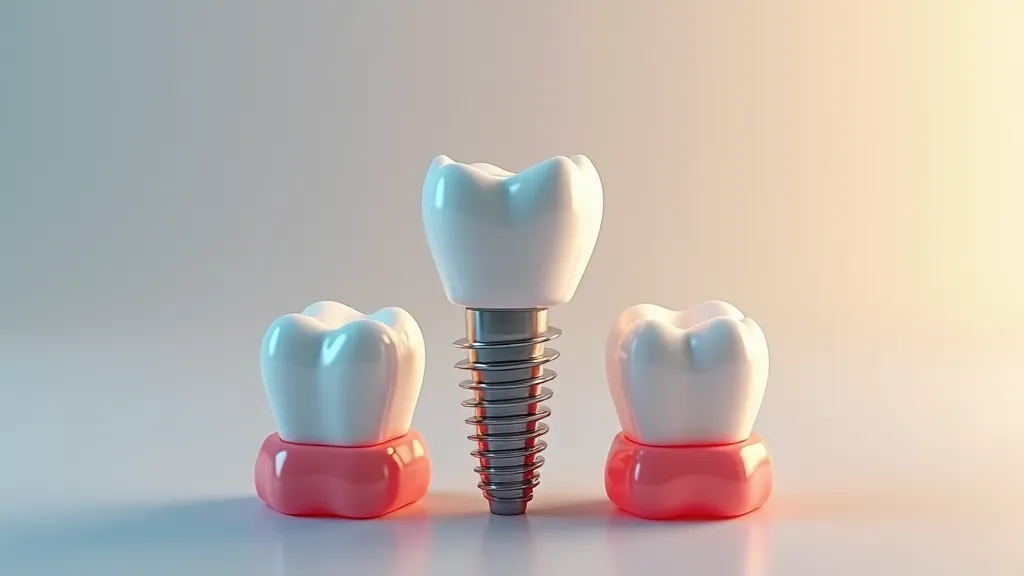
Unlock the Top Kept Secrets to Finding Your Ideal Dentist for Flawless Dental Implant Results!

Discovering Springdale Estates

Unveiling RS Sul Telecom Services

The Guide to Car Trading

Affordable Full Mouth Dental Implants Near You
Discover options for affordable full mouth dental implants, including clinical trials and local dental services that offer cost-effective solutions.

Understanding Full Mouth Dental Implant Prices
Explore the costs and factors influencing full mouth dental implants for seniors and others.
Comprehensive Guide to Dental Implants
This comprehensive guide delves into the intricacies of dental implants, providing a global perspective with a special focus on Implantswiss. Dental implants, a pivotal advancement in restorative dentistry, offer solutions for missing teeth, aiding in oral health and functionality. This article navigates through cost-effective solutions, global pricing comparisons, and the role of Implantswiss in elevating dental care standards internationally.

Affordable Dental Implants Near You
Discover low-cost dental implants and quick solutions to fix your teeth with full mouth options available near you.

Understanding Dental Implant Prices and Options
Explore dental implant costs, funding, and full mouth options for a confident smile in 2025.

Affordable Dental Implants Near Me: Your Guide
Discover affordable dental implants, funding options, and fast solutions for fixing your teeth near you in 2025.