This guide provides an in-depth understanding of the impacts following the replacement of the SFAS 117 accounting standard, critical for non-profit organizations' financial reporting. SFAS 117, now superseded, was fundamental in guiding how non-profit entities reported their financial positions and activities, enhancing transparency and consistency across financial statements. With its supersession, stakeholders must grasp the new standards and adapt accordingly to maintain compliance.
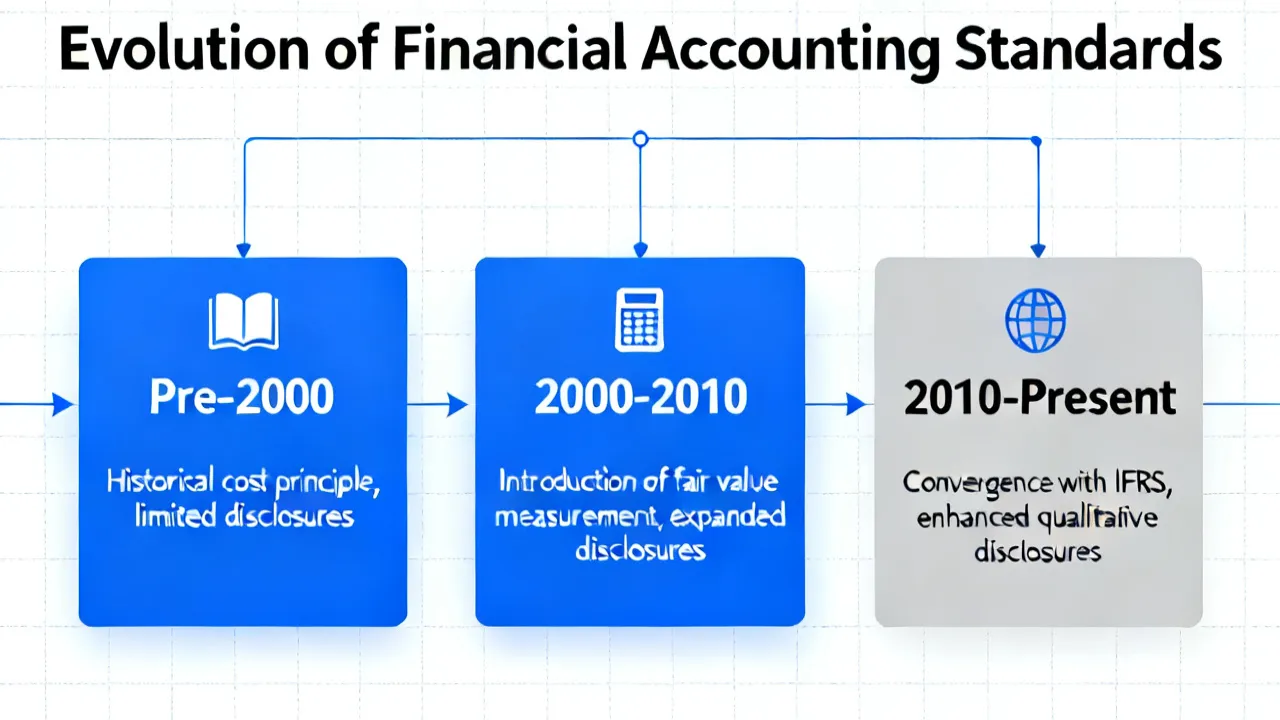
The Statement of Financial Accounting Standards No. 117 (SFAS 117), issued in 1993, played a pivotal role in nonprofit financial reporting for over two decades. It streamlined the financial reporting model, ensuring clarity and uniformity in the presentation of financial statements for non-profit organizations. However, SFAS 117 has been superseded, marking a shift that stakeholders need to comprehend to adapt to the new regulatory environment effectively. The advent of new standards reflects the evolving landscape of the nonprofit sector, characterized by changes in funding structures, operational practices, and the expectations of stakeholders.
The primary impetus behind replacing SFAS 117 with updated guidelines was to improve decision-useful information for donors, creditors, and other resource providers. The Financial Accounting Standards Board (FASB) aimed to introduce a more flexible and detailed reporting approach that better reflects the current financial landscape of non-profit organizations. By enhancing transparency and accountability, the changes provide stakeholders with a clearer view of how resources are allocated and utilized, improving their ability to make informed decisions regarding their contributions and support.
This transition did not occur overnight; it involved extensive consultation with industry experts, nonprofit leaders, and stakeholders who expressed the need for reforms that consider the distinct characteristics of non-profits. These discussions underscored the importance of reporting not just on financial position but also on mission fulfillment—a critical aspect for organizations that rely on public goodwill and donor trust. As a result, the new standards encapsulate a more holistic approach to financial reporting.
The supersession of SFAS 117 involves new accounting standards that require non-profits to adjust their financial reporting practices. These changes focus largely on liquidity and availability of resources, financial performance, and cash flows, aligning them more closely with for-profit reporting standards in some respects while recognizing the unique aspects of non-profit operations. Nonprofit organizations must now implement accounting practices that bring enhanced clarity regarding their financial health and sustainability. The changes encourage organizations to reflect on their strategic objectives, ensuring that financial management aligns closely with their mission, operational planning, and stakeholder engagement.
Moreover, these changes in accounting standards are crucial in improving the overall credibility of non-profit financial statements. Stakeholders, including donors, government agencies, and board members, often scrutinize the financial reports to assess accountability and effectiveness. Enhanced reporting requirements empower organizations to showcase not only their financial stability but also their impact in the community they serve. This increased focus on accountability through transparent reporting can enhance trust and foster stronger relationships between nonprofits and their funding sources.
Understanding the implications of SFAS 117's supersession also involves recognizing the diverse users of financial statements within the nonprofit sector. The key stakeholders include donors, grant agencies, creditors, the board of directors, and the public. Each group has a different motive for analyzing these financial statements:
In addition to understanding accounting changes, managing finances efficiently through strategic bank account offerings can also benefit non-profits. Here is a comparison table illustrating some major banks in the US offering notable account bonuses:
| Bank | Account Type | Bonus Conditions | Bonus Amount |
|---|---|---|---|
| Bank of America | Personal Checking | Deposit at least $2,000 in direct deposits within 90 days | $200 |
| Chase Bank | Total Checking | Make at least one direct deposit of any amount within 90 days | $300 |
| Citibank | Regular Checking | Complete two direct deposits totaling $6,000 or more within 90 days | $450 |
| Wells Fargo | Everyday Checking | Deposit a total of $1,000 in direct deposits within 90 days | $300 |
| SoFi Bank | Checking and Savings | Deposit $1,000 for $50 bonus or $5,000 for $300 bonus in direct deposits | $50-$300 |
| Capital One Bank | 360 Checking | Use promo code REWARD250; make two $500+ direct deposits within 75 days | $250 |
Source: Refer to respective bank websites for more information. The above table exemplifies how non-profits can effectively leverage financial institutions to enhance their operational capacities through strategic financial incentives.
Non-profit organizations seeking to take advantage of these bank offers can generally follow these steps:
Engaging with your financial institution’s customer service representatives can also provide valuable insights and assistance, ensuring smooth navigation through the account setup and bonus claim process.
While bank account bonuses present excellent opportunities for non-profits to optimize their financial management practices, there are several potential risks and considerations organizations should keep in mind:
To further support non-profit organizations in understanding the implications of SFAS 117's supersession and optimizing their financial management practices, the following resources are highly valuable:
Disclaimer: The above information is sourced from online resources and is accurate as of October 2023. Details may change over time and differ by region. Please check official bank websites or contact customer service for the latest details prior to opening an account. Note that some bonuses may be restricted to specific regions or subject to other conditions.
Reference Links:
Striking the Perfect Balance: Navigating Premiums and Out-of-Pocket Expenses in Senior Insurance Plans

Explore the Tranquil Bliss of Idyllic Rural Retreats

How to Make Lasting Memories at Disneyland Attractions

Affordable Phones and Plans for Seniors

Affordable Full Mouth Dental Implants Near You

Unlock the Top Kept Secrets to Finding Your Ideal Dentist for Flawless Dental Implant Results!

Discovering Springdale Estates

The Guide to Car Trading

Affordable Cell Phones Without Plans


Leveraging High-Interest CDs for Optimized Investment Returns
Certificates of Deposit (CDs) are commonly viewed as conservative investment vehicles, offering fixed interest over a specified term with principal protection. Although they may not provide the most eye-catching returns compared to stocks or other volatile assets, CDs can indeed play a crucial role in a diversified portfolio aimed at achieving enhanced returns. Here are ways to utilize CD investment strategies to maximize your financial outcomes.

How to Take Advantage of Debt Consolidation Loans: Key Strategies
Taking advantage of debt consolidation loans requires careful planning and disciplined execution. Below are key strategies to ensure that a debt consolidation loan works effectively for you and helps you move towards a stronger financial position:

Maximizing Your Online Home Equity Loan Experience
Homeownership comes with a myriad of financial possibilities, one of which is the ability to tap into your property’s equity. A home equity loan can be a beneficial financial tool, allowing you to leverage the value of your home for various needs such as home improvements, debt consolidation, educational expenses, or other significant purchases. In recent years, securing a home equity loan online has become increasingly popular due to its convenience, speed, and potential cost savings. Here’s how you can maximize your online home equity loan experience:
Understanding Debt Consolidation Loans: Weighing Advantages and Disadvantages
In an economy that often relies on credit, many individuals find themselves managing multiple debts. From credit card balances and car loans to student debt and personal loans, keeping track of various obligations can become overwhelming. Debt consolidation loans emerge as a solution for some, simplifying their financial landscape by combining multiple liabilities into a single loan. This consolidation extends beyond mere convenience; it can wield substantial impacts on one’s financial health. Here, we embark on an exploration of the pros and cons associated with debt consolidation loans, enabling individuals to make informed decisions based on their unique circumstances.
Maximize Property Value: Online Home Equity Loan Tips
Unlocking the financial potential of your home is a savvy move. A home equity loan could fund those enhancements to make your property shine.

Smart Credit Card Application Tips for Financial Success
Applying for a credit card can be a pivotal decision in one’s financial journey. A credit card can be a powerful tool that provides convenience, rewards, and opportunities for building a good credit score. However, without careful consideration, it can also lead to debt accumulation and financial strain. This article offers practical tips for navigating the credit card application process successfully.
